
ZUS Coffees Loyalty App Disrupts Malaysias Café Market: Critical Numbers, Insights, And Playbook For Winning Digital F&B Customers
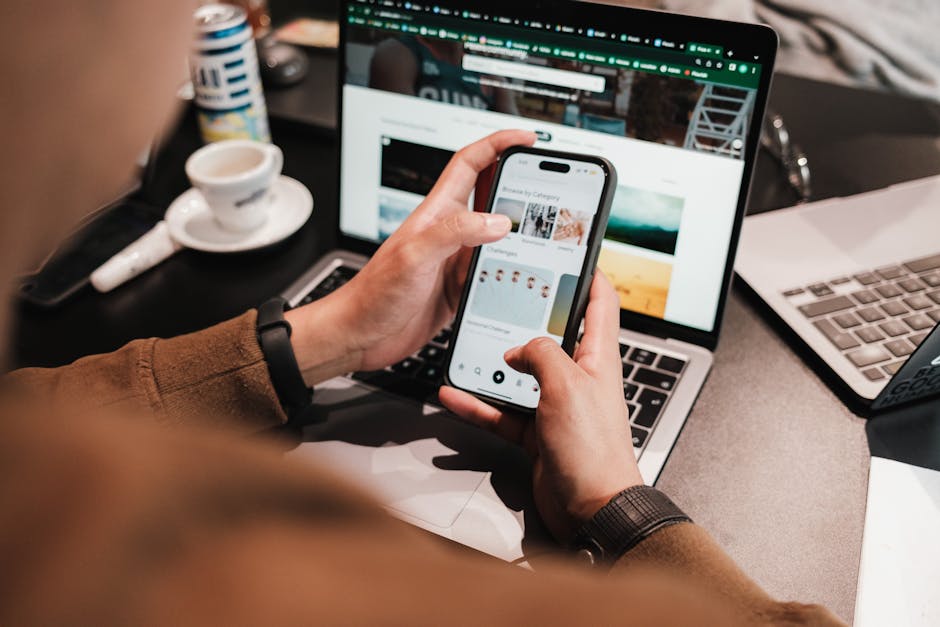
The Digital Coffee Revolution in Malaysia: How ZUS Coffee’s Loyalty App Is Redefining Consumer Engagement and Shaping the Market’s Future
Malaysia’s specialty coffee scene has undergone a seismic transformation in the past decade. What began as a modest wave of third-wave cafés in urban enclaves has exploded into a fiercely competitive, tech-driven battle for the digital consumer. At this epicenter stands ZUS Coffee, a homegrown disruptor whose mobile-first ethos and loyalty app strategy are rewriting playbooks across the food and beverage (F&B) landscape. As Malaysia’s digital economy surges—with smartphone penetration at all-time highs and e-wallet payments edging out cash—ZUS Coffee’s relentless focus on seamless app experiences, gamified rewards, and granular customer data is setting new benchmarks for both growth and customer retention.
This exposé unpacks the company’s innovations, the wider context of Malaysia’s digital F&B sector, and the tangible impact on both consumer behavior and industry models. It also offers a blueprint for brands eyeing similar digital leaps, with an eye on real-world results and future-ready strategies.
Executive Overview: ZUS Coffee’s Rise and the Mobile App Imperative
Defining Malaysia’s New Coffee Culture
Ten years ago, Malaysia’s café market was defined by cozy ambience and the occasional loyalty stamp card. Fast forward to today, and a new reality dominates: specialty coffee is omnipresent, digital convenience reigns, and loyalty is no longer just about the beverage—it’s about integrated experiences. ZUS Coffee, founded in 2019 during the height of Malaysia’s digital acceleration, seized this moment by building not just cafés but a digital ecosystem built around its ZUS Rewards app.
The Mobile Platform as an Engine of Growth
ZUS’s mobile app isn’t an afterthought or a side offering—it’s the primary engine powering everything from customer discovery and order customization to payment, rewards, and feedback. The app is foundational to how ZUS approaches the end-to-end customer journey. Its success—marked by industry recognition and rapid expansion—serves as a case study for any brand aspiring to fuse tech with hospitality.
Real-World Reach and Retention
Today, the ZUS Coffee app claims over a million downloads across Apple and Android platforms. Its digital loyalty program is woven into the fabric of Malaysia’s coffee rituals: morning commutes, mid-day meetings, and weekend wind-downs. This approach is not simply about retail convenience—it’s about creating a “habit loop” that grows with every tap, reward, and satisfied experience.
But what does this model mean for Malaysia’s F&B industry and, more broadly, for consumer engagement in the digital age? The following sections dive deep into the market landscape, tactical innovations, and the replicable strategies behind ZUS Coffee’s ascent.
Market Context: The Digital Evolution of Malaysia’s Coffee and QSR Sector
Malaysia’s Coffee Boom: A Numbers Game
Malaysia’s specialty coffee market has expanded at a double-digit compound annual growth rate (CAGR), with chained cafés capturing an ever-larger slice of urban footfall. By 2023, over 2,000 specialty or quick-service restaurants (QSRs) were competing for consumer attention, and urban outlet density continued to climb. Notably, this growth was not just about more stores—it was about smarter, tech-led experiences.
Smartphone Ubiquity and E-Wallet Ascendancy
What supercharged this coffee market boom? Digital adoption. Smartphone penetration in Malaysia now exceeds 90%, with e-wallet usage (Touch ‘n Go, GrabPay, Boost, etc.) becoming the norm for both small-ticket and recurring purchases. Order-ahead and delivery platforms have redefined expectations for speed, personalization, and payment flexibility. For F&B, the implication is clear: digital touchpoints are now essential gateways to loyalty.
Competing in a Connected Landscape
ZUS Coffee’s app operates in a crowded field that includes multinationals (e.g., Starbucks, McDonald’s McCafe), regional chains (Tealive, FamilyMart), and emerging digital-first players. The battleground? Metrics like monthly active users (MAUs), purchase frequency, average ticket size, and retention rates. While most brands have apps, few have made them central to the customer relationship in the way ZUS has. This focus on the app as a primary channel is what sets the brand apart.
The ZUS Coffee Loyalty App: Anatomy of a Digital Disruptor
Value Proposition: Beyond Stamps and Cards
At its core, the ZUS Coffee app is a fully functional commerce platform. Industry analysts note that its value proposition hinges on a few pillars:
- App-exclusive discounts and pre-order capabilities
- In-app payments (credit/debit, e-wallets, stored value)
- Customizable orders and saved favorites
- Real-time rewards tracking and redemption
Frictionless Onboarding and First-Order Incentives
Signup flows are streamlined: mobile number verification, a quick opt-in to rewards, and up-front “Buy 1 Free 1” or RM1 introductory offers. Referral mechanics encourage organic growth, turning satisfied customers into brand advocates. Importantly, the app minimizes signup friction while maximizing the perceived value of first engagement—a critical move in an era of short attention spans.
Rewards: Tiers, Points, and the Journey to VIP
The ZUS app features a multi-tiered rewards program. Points accrue with every purchase, unlocking higher loyalty tiers with perks such as free drinks, early access to seasonal items, and priority customer support. Aspirational benefits (e.g., limited-edition drinks, event invitations) keep users emotionally invested. This approach creates “double stickiness”—habitual use plus aspirational engagement.
Customization and Commerce: The Amazon of Coffee Orders
Within the app, personalization is paramount. Favorites can be saved, recommended items (think: trending drinks or bundle deals) are surfaced algorithmically, and upsell prompts (add a pastry, try a new topping) drive higher basket sizes. This isn’t just an app for coffee—it’s a full-service, data-led retail experience.
Retention Engines: How the App Turns Transactions into Habits
Driving Frequency with Behavioral Triggers
ZUS Coffee deploys classic and cutting-edge behavioral mechanics to keep users coming back:
- Streak rewards for consecutive visits
- Daily check-in points or spin-to-win games
- Time-sensitive notifications (“Morning Boost” or “Lunch Hour” promos)
- Seasonal event-based campaigns
Lifting Basket Size through Cross-Sell and Bundling
The app leverages order data to nudge users towards higher-value transactions. “Complete your order” prompts suggest food add-ons; bundle offers create incentives for group orders or family treats. Smart segmentation ensures that heavy users see exclusive upsells, while light users are offered discounts tailored to entice a second item.
Winning Back the Lapsed: Reactivation and Recovery Tactics
Not every user is active all the time. For those who lapse, ZUS deploys targeted push campaigns, offering reactivation vouchers (e.g., “We Miss You—Here’s a Free Coffee”) and personalized birthday or anniversary rewards. These win-back loops are powered by in-app data and help recover revenue that might otherwise be lost.
The Experience Feedback Loop
After each order, users are prompted for satisfaction ratings. Negative feedback is met rapidly with service recovery offers (discounts, apologies, or expedited replacements), while positive feedback is channeled into testimonials or social sharing. This “close the loop” approach shortens response times and keeps NPS scores high.
KPIs That Matter: Measuring Loyalty App Success in F&B
From Downloads to Orders: The Conversion Funnel
The journey isn’t just app installs—it’s about verified signups, first orders, and repeat usage. For ZUS and similar brands, funnel metrics are crucial:
- App Installs vs. Verified Signups: A measure of initial interest vs. real commitment.
- First Order Rate: Percentage of signups who transacted at least once.
Retention: The 30/60/90-Day Horizon
Short-term retention (percentage returning within a month) is key, but so is the longer arc:
- 30-Day Retention: Do users come back within weeks?
- 60/90-Day Retention: Are habits taking root?
Monetization: The ARPU and CLV Uplift
App users are typically more valuable: they visit more often, spend more per visit, and are easier to upsell. Metrics such as average revenue per user (ARPU) and lifetime value (CLV) uplift—comparing app users vs. non-app customers—provide a financial argument for digital investment. Savvy operators track marketing and discount costs per acquired user, ensuring campaigns drive sustainable, not just fleeting, revenue.
Sales Attribution: The Digital Share of Wallet
As Malaysia’s F&B market digitizes, tracking the proportion of total sales transacted via app (vs. counter or third-party platforms) is vital. This share is a barometer of digital engagement and a hedge against the risk of disintermediation by delivery marketplaces.
Comparing Perspectives: ZUS Coffee Versus Traditional and Global Competitors
A Digital-First Local Challenger
ZUS Coffee’s approach is built from the ground up for digital natives. Compared to incumbent chains reluctantly adapting legacy systems for mobile, ZUS bakes real-time rewards, pre-ordering, and frictionless payments into its DNA.
Multinational Approaches: Starbucks and McCafe
While Starbucks Malaysia offers a loyalty app with pre-order and digital rewards, its architecture skews towards point-based rewards rather than deep personalization or habit-forming triggers. Multinational chains often move slower to adapt local payment preferences or hyper-segmented offers.
New Viewers, New Habits
For first-time app users, ZUS’s onboarding clarity—driven by instant rewards and transparent terms—lowers barriers to trial. Traditionalists may prefer walk-in counter service, but ZUS’s model is designed to gradually convert even them through gentle nudges (e.g., in-store QR codes, staff encouragement) without alienation.
The lesson for viewers from other markets? Digital loyalty isn’t about copying features; it’s about embedding incentives and feedback into every step of the customer journey, in every channel customers use.
Blueprint for Success: Adapting ZUS Coffee’s Playbook
Strategy and Design
Start with the customer: map core segments—urban professionals, university students, families. Identify their key coffee moments (morning rush, lunch break, evening treat). Decide whether to shift behavior (from counter to app) with “app-only” rewards strong enough to tip the scales. Reward structures must be simple, credible, and sustainable (e.g., “Every 8 drinks = 1 free”).
Onboarding and Growth Tactics
Design an irresistible introductory offer—“Buy 1 Free 1” or “First Drink RM1”—with clear, fair terms. Empower frontline staff to advocate app adoption, but never punish non-app loyalty. Layer every touchpoint (counters, tables, packaging) with QR codes that deep-link to signup, making discovery seamless.
Retention Mechanics: Building Habits and Emotional Loyalty
Create a calendar of “always-on” rewards (streaks, birthdays, referrals) plus seasonal campaigns (festive drinks, payday bundles). Segment audiences: power users get sneak previews and exclusive rewards; light users receive timely prompts (e.g., “Haven’t seen you this week—here’s a treat!”). Listen obsessively to feedback—crashes or voucher confusion can erode trust invisibly.
Operational and Technical Alignment
Ensure rewards are redeemable everywhere—no “channel wars” or redemption friction. Build dashboards for real-time retention tracking. Set aggressive service-level agreements (SLAs) for app uptime and customer support; loyalty is fragile in a digital world, and even one bad experience can destroy months of goodwill.
Regional Tailoring: One Malaysia, Many Realities
Outlet density and app penetration can vary widely: Klang Valley may be high-frequency and e-wallet dominant, while East Malaysia may require more offline engagement or cash-based offers. Partner locally (campuses, office parks) and adjust incentives to match regional behavior.
Direct Signup Link Caution and Best Practices
Staying Official and Safe
In a fast-moving digital market, outdated or unofficial app links present real security and brand risks. The best-practice protocol is to always find the latest ZUS Coffee app links via the official website or directly from the Apple App Store and Google Play Store. This both builds user trust and prevents misdirection.
“For F&B brands in rapidly digitizing markets, the true competitive edge isn’t just launching an app—it’s orchestrating a seamless, habit-forming digital journey, where every touchpoint earns trust and every transaction is an opportunity to grow loyalty.”
Conclusion: The Strategic Imperative—Why Digital Loyalty Is the Future of F&B
Malaysian F&B is at an inflection point, where digital channels are no longer optional—they are existential. The ZUS Coffee story is not just about coffee; it’s about foresight, relentless digital execution, and the willingness to invest where the future is heading—not where the past has been.
ZUS Coffee’s loyalty app is a living case study in what’s possible when technology, design thinking, and operational discipline converge. Companies still waiting on the sidelines—debating whether loyalty apps are “worth it”—risk being left behind as consumer habits lock into platforms that reward, surprise, and listen.
To succeed in the years ahead, Malaysia’s F&B brands must build not just products, but ecosystems. They must turn episodic transactions into continual relationships, using data, incentives, and empathy to create an ongoing value loop. This is the new playbook—and ZUS Coffee has already written the first chapter.
The time to act is now. The brands that build with digital loyalty at the core will own the next wave of consumer love—and the lion’s share of Malaysia’s rapidly evolving market.