
ZUS Coffees Omnichannel Playbook: How Southeast Asian F&B Startups Can Achieve Scalable Growth With Tech, Partnerships, And Experiential Marketing In A $10.3B Market
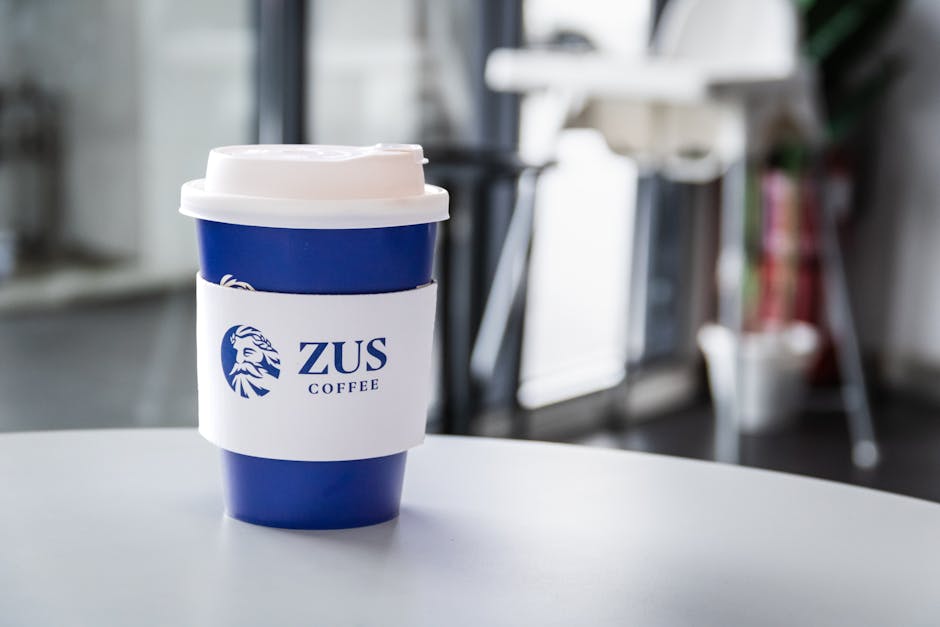
ZUS Coffee and the Omnichannel Revolution: Lessons for Southeast Asia’s F&B Startups
Southeast Asia’s food and beverage landscape is undergoing a seismic shift—one defined not simply by changing consumer tastes, but by a digital-first, omnichannel approach that is radically redefining what it means to build, scale, and sustain a modern coffee chain. At the heart of this transformation is ZUS Coffee, a Malaysia-founded, tech-driven disruptor that has, in just a handful of years, rocketed from a pandemic-born delivery kiosk to a regional force commanding over 1,000 stores, a net income of RM37 million (US$8.6 million) in 2024, and outpacing giants in markets projected to hit $10.3 billion by 2029. How did ZUS rewrite the script, and what lessons does its strategy hold for the next generation of F&B entrepreneurs across the region? This exposé unpacks the tactical shifts, digital tools, and market nuances driving the new era of Southeast Asia’s coffee boom—and why laggards risk being left far behind.
The Rise of ZUS Coffee: A Case Study in Omnichannel Mastery
Emergence from Crisis
ZUS Coffee’s story begins not in a comfortable boardroom, but in the crucible of the 2019–2020 pandemic—a period that exposed the fragility of dine-in models while fueling a rocket-ship demand for online food and beverage (F&B) solutions. Where most saw chaos, the ZUS founding team saw opportunity: building low-cost, delivery-first kiosks that allowed for minimal real estate and staffing expense, while catering to a wary, homebound population. This savvy pivot meant that ZUS was optimized for delivery and pickup long before the trend became mainstream, letting the company outmaneuver more established, traditional cafe chains.
Hypergrowth Fueled by Funding and Digital Efficiency
By late 2025, ZUS had achieved a landmark 1,000 stores across Southeast Asia, having added nearly 400 outlets in the wake of a major RM250 million (US$57.5 million) funding round. This infusion, led by KV Asia Capital, KWAP, and Indonesia’s Kapal Api Group, unlocked ZUS’s expansion into Singapore, Brunei, Thailand, and rapid growth in the Philippines and Indonesia. These moves weren’t just about store counts—they were about deploying a digitally-optimized model that delivered 20–30% margins, far above the industry median, through ruthless efficiency and technology.
Decoding the ZUS Omnichannel Playbook: Tactics, Tools, and Regional Execution
Blueprint for Omnichannel Success
Omnichannel, in the ZUS context, is more than a buzzword. It’s a deliberate fusion of digital and physical touchpoints—apps, kiosks, delivery platforms, and cutting-edge community engagement—that delivers a seamless, data-powered customer journey. The company’s app, a core engine, enables personalized ordering, real-time promotions, and a robust loyalty ecosystem. This focus pays off: in the early years, 70–80% of ZUS’s revenue came from delivery and pickup, setting a new benchmark for Southeast Asia’s “grab-and-go” coffee segment—a model inspired in part by China’s Luckin Coffee, but locally adapted.
Physical Footprint: Small, Smart, and Scalable
Rather than replicating cavernous Western-style cafes, ZUS focused on compact kiosks—cheaper to rent, simpler to staff, and easier to replicate en masse. This “GAG” (grab-and-go) approach slashed operating costs by up to 50%, enabling ZUS to offer sub-Starbucks pricing while maintaining specialty quality through direct-trade beans. In 2025 alone, store expansion broke down as follows:
- Malaysia: +107 stores, cementing dominance with 550+ pre-2025.
- Philippines: +80 stores, via a strategic partnership (35% stake) with Choi Garden.
- Singapore: Launch of 6 key outlets targeting affluent professionals.
- Brunei, Thailand, Indonesia: First entries, establishing a pan-SEA footprint.
Community, Culture, and the Digital Experience
But physical expansion wasn’t the sole play; ZUS distinguished itself through a series of heavy-hitting digital and live events—most notably, the “Drip & Drop” coffee raves. Held in Singapore and Manila, these sober, daytime gatherings blended electronic music and socializing, drawing Gen Z into the brand’s orbit and generating viral online content. Such tactics underscore a crucial principle: omnichannel isn’t just digital, it’s about creating experiential hooks that drive both offline excitement and online buzz.
Supply Chain Edge: Localized and Data-Driven
In parallel, ZUS built a strong supply chain backbone—localizing roasting and procurement to keep costs down and quality up, a move that reaped both operational and branding benefits. The company’s direct-trade sourcing not only controlled expenses but also resonated with ethically minded, provenance-focused customers, supporting price premiums of up to 20%. This supply chain agility has allowed ZUS to undercut regional incumbents while matching or exceeding on quality and transparency.
Comparative Perspectives: ZUS vs. Regional Rivals and Market Entrants
Starbucks and the Global Giants
While ZUS was scaling agile kiosks, established players like Starbucks sought to adapt—integrating Grab for delivery and doubling down on digital ordering. Yet, their high-overhead models have struggled to match ZUS’s pricing without eroding margins, and their slower, less targeted local adaptation has allowed ZUS to capture significant market share (10–15% in Malaysia alone).
Asian “Luckin Clones” and Local Contenders
Indonesia’s Kopi Kenangan and Vietnam’s Highlands Coffee (now Jollibee-owned) each bring their own strengths—financing, franchising, or domestic advantage. However, few have executed omnichannel with the tight, KPI-driven focus that ZUS has, especially in markets like the Philippines, where partnerships and hyperlocal adjustments are proving decisive. The region’s coffee market is projected to reach $10.3B by 2029, but only the nimblest—those who can blend tech with cultural nuance—are poised for sustainable growth.
Learning from Failure: Flash Coffee and the High-Stakes Game
Notably, the region has also witnessed spectacular stumbles, such as the collapse of Flash Coffee. The lesson: omnichannel is not a guarantee of success. Execution—especially around local supply chains, cost controls, and community relevance—remains paramount. Data-driven, modular approaches separate the winners from the fallen.
Digital Tools and Tactics: The ZUS Stack and a Strategic Roadmap
Deploying the Right Digital Arsenal
ZUS’s success is underpinned by a carefully curated set of digital tools and integrations, each with a direct link to business outcomes. For F&B decision-makers looking to replicate their trajectory, the following stack—benchmarked to ZUS’s practices—offers a high-ROI playbook:
- Cross-Platform App Development (Flutter/React Native): Enables personalized ordering, loyalty, and data analytics.
- POS/Kiosk Integration (Square/Lightspeed): Syncs inventory and payments, cutting error rates and labor costs.
- Delivery Aggregator APIs (Grab/GoFood): Drives 70%+ order volume at scale.
- Customer Data Platforms (Segment/Tealium): Powers targeted promotions and enhances retention by up to 25%.
- Supply Chain TMS (SAP/HashMicro): Tracks local roasting/beans in real time, reducing costs by a quarter.
- Social Commerce Engines (TikTok Shop/Instagram): Sparks viral user-generated content, especially around community events.
- Loyalty Engines (LoyaltyLion): Deepens repeat purchase with points and rewards ecosystems.
- AI Personalization (Google Cloud AI): Tailors recommendations, driving higher spend per customer.
- Event Platforms and AR Filters (Eventbrite): Digitizes live experiences for mass reach.
- Analytics Dashboards (Tableau): Unifies omnichannel metrics, enabling rapid pivot and hyperlocal optimization.
Implementation: A Three-Phase Digital Rollout
A strategic plan, executed in defined phases, is essential:
- Phase 1—Launch (0–3 months): Deploy app, POS, and aggregator integration, targeting 50% digital order share.
- Phase 2—Optimize (3–6 months): Introduce CDP, TMS, and loyalty tools, aiming for 20%+ profit margins.
- Phase 3—Scale (6+ months): Layer in AI, analytics, and event-driven marketing to drive 100+ store annual growth.
Country-by-Country: Strategic Insights and Actionable Playbooks
Malaysia—Mastering the Digital Supply Chain
ZUS’s dominance in Malaysia is rooted in a localized procurement model and granular data mining via its app. By integrating local roasters and leveraging real-time analytics, ZUS delivered 20–30% cost savings and fueled 107 store launches in a single year. Startups should mimic this approach, leaning into kiosk economics and localized digital preferences (e.g., regionally-flavored beverages).
Philippines—Partnerships as a Springboard
Entry and expansion in the Philippines was expedited through a joint venture with Choi Garden, allowing ZUS to circumvent regulatory and competitive hurdles. For F&B entrants, the lesson is clear: partnerships and local stakeholdership accelerate scale and legitimacy, especially where the market is fragmented or dominated by conglomerates like Jollibee.
Singapore—Efficiency in Premium Markets
Premium, urban markets like Singapore demand a balance of price, quality, and convenience. ZUS’s six-store debut post-mega funding was laser-focused: leveraging ultra-low footprint kiosks in high-traffic locations (e.g., MRT stations, malls) and integrating with local payment and delivery platforms such as GrabPay. The result: a presence that is aspirational without being inaccessible, and agile enough to adapt.
Brunei—Micro-Market Experiments
With its inaugural store in Brunei, ZUS is testing franchise models in a high-income, low-density market. Here, the emphasis is on digital efficiency and low-risk pilots, using omnichannel tools to maximize market data before committing to deeper investment.
Thailand and Indonesia—Disrupting with Price, Quality, and Virality
These competitive, rapidly urbanizing markets are dominated by homegrown players like Kopi Kenangan. ZUS’s counterpunch is a blend of $1 introductory offers, direct-trade beans, and TikTok-fueled marketing. Adapting the playbook for virality—fast, affordable, and shareable—is crucial for outsized impact in these spaces.
Emerging Risks and Strategic Pivots
Despite the eye-watering growth, the region’s F&B sector is not without risk.Competitive saturation is intensifying—with deep-pocketed VCs and established conglomerates hunting for the next breakout brand. Flash Coffee’s demise is a warning against overextension and under-localization. Moreover, consumer demand is shifting rapidly, with a new generation of Southeast Asian consumers prioritizing not just price and convenience, but sustainability, ethical sourcing, and provenance. ZUS’s commitment to direct-trade beans is not simply a marketing flourish—it is a defensive moat in a market where 20% price premiums are possible when provenance is clear and compelling.
Comparative Analysis: What New Entrants Need to Know
For Newcomers
It’s tempting to focus on the app, the store count, or the viral event. But the ZUS story is ultimately about orchestrated systems: tight cost controls, modular tools, relentless data analysis, and cultural immersion.
For Incumbents
Digital transformation is non-negotiable, but legacy systems and overheads can be slow to move. Incumbents should consider partnerships with tech-forward startups, or cautiously spin out “micro-brand” experiments to test grab-and-go models without cannibalizing core operations.
ZUS Coffee’s defining lesson for Southeast Asia’s F&B sector is simple: those who unify digital and physical—delivering cost efficiency, hyperlocal flavor, and experiential vibrancy—will own the next decade of growth.
Real-World Implications: Beyond the Coffee Cup
The ripple effects of this omnichannel revolution extend far beyond cups sold or stores opened.
Urban development patterns are being influenced, with landlords rethinking space allocation as compact kiosks outpace cafe lounges in new malls.
Workforce models are shifting toward leaner, tech-savvy teams.
Supply chains are being overhauled for local agility rather than global scale.
And perhaps most radically, consumer culture is evolving: seeing cafes not just as destinations, but as services—personalized, portable, and embedded in daily rhythms.
For investors, digital F&B is now a validated asset class, with ZUS’s phased funding model (US$57.5M initial round, rumored follow-on $53.5M) offering a blueprint for scaling on KPIs and market proof, not on speculative hype. For founders, omnichannel is no longer a competitive advantage, but a baseline expectation.
The Road Ahead: Key Recommendations and Strategic Priorities
1. Double Down on Grab-and-Go Economics
Target sub-500 sq ft kiosks, drive at least 40% delivery revenue, and engineer for 20–30% profit margins by design—not as an afterthought.
2. Raise and Deploy Capital Strategically
Pitch for funding not just on store counts or vanity metrics, but on demonstrable omnichannel traction, digital adoption, and customer retention. Use phased rounds to de-risk scaling, as ZUS did.
3. Localize, Localize, Localize
Adjust product and marketing for each SEA country. In Malaysia, this means local bean partnerships and mobile-first loyalty; in Indonesia and Thailand, it may mean TikTok and $1 price points. Partnerships and joint ventures, as with Choi Garden in the Philippines, can shortcut regulatory and cultural barriers.
4. Build for Resilience
Diversify beyond core coffee (adding teas or snacks), monitor demand trends, and use data analytics to anticipate market saturation or emerging threats.
5. Embed Sustainability at the Core
Move beyond performative “green” promises: direct-trade, transparent supply chains, and authentic community engagement will increasingly define what consumers are willing to pay, and how regulators respond.
Conclusion: The Omnichannel Imperative—Why the Stakes Have Never Been Higher
ZUS Coffee’s meteoric rise is neither a fluke nor a lucky product of pandemic disruption. It is the result of systematic, omnichannel innovation—a model that combines relentless digital optimization, disciplined cost control, strategic partnerships, and cultural fluency. For Southeast Asia’s next generation of F&B startups, the playbook is clear: those who can integrate digital and physical, who can localize at speed, and who can build true community both online and off, will not just survive, but lead, in the $10.3 billion Southeast Asian F&B market of 2029 and beyond.
The risk? Standing still. As ZUS has shown, the future belongs to those who act, adapt, and innovate—store by store, line of code by line of code, community by community.
For more insights, explore additional perspectives on ZUS Coffee’s regional expansion and omnichannel coffee trends in Southeast Asia.