Growth HQ
- About
Discover
Philosophy
- Our Thinking
- Case Studies
- Initiatives
- Contact Us
Singapore Public Toilet Cleanliness Study: Multi-phase Digital Survey Platform for Real-Time Insights
Topics
Product
Problem
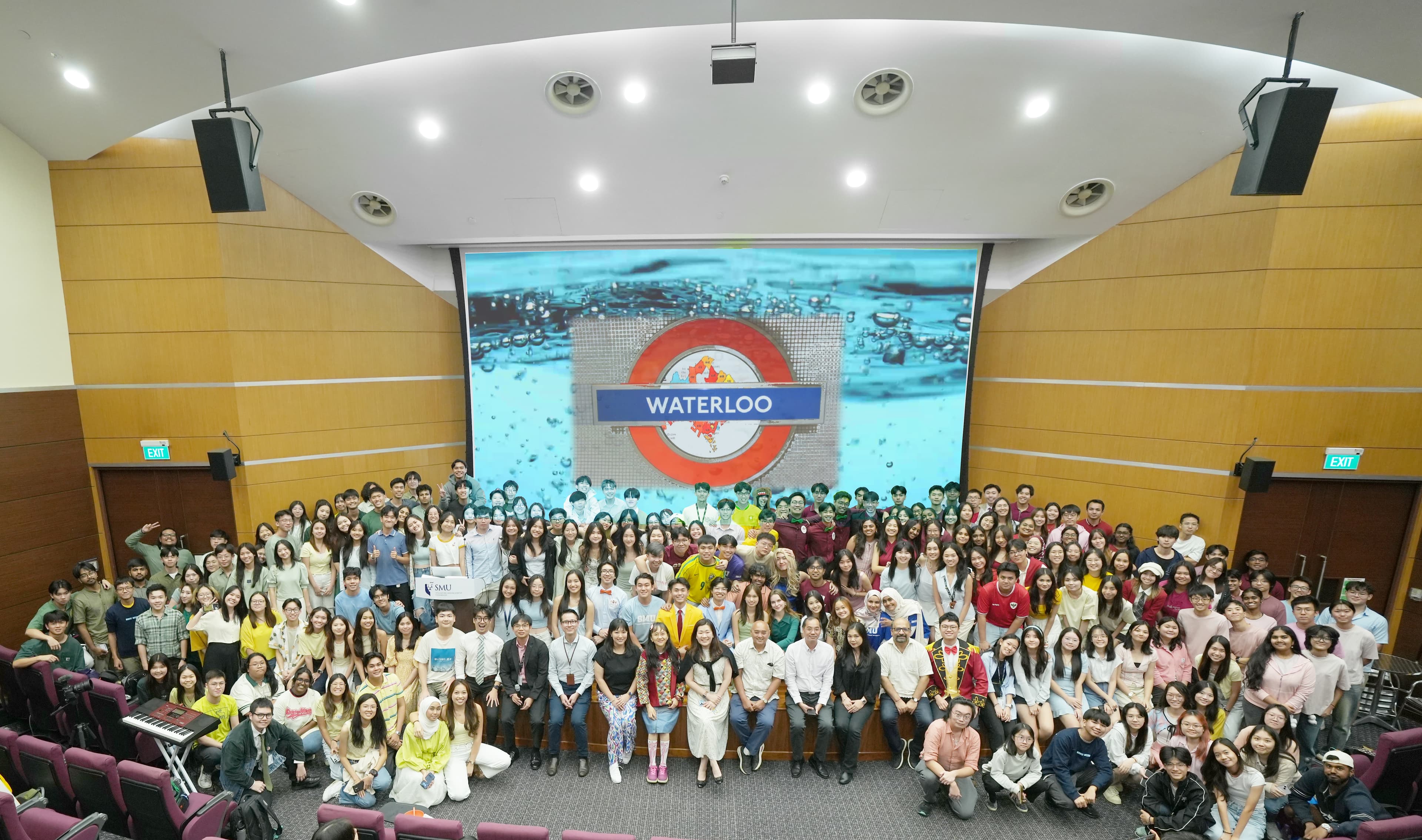
SMU needed a scalable and accurate way to assess cleanliness across 2,602 public toilets in Singapore, spanning 1,428 locations, with over 100 hygiene variables and more than 200 student auditors per run. Previous methods—Excel-only or SurveyMonkey combined with Excel—were labor-intensive, error-prone, and often disconnected from real-time observations.
Strategy
We developed a custom mobile and web-based survey application that verified on-site locations, allowed automated scoring from photos, and integrated gamification elements with incentives. Students could instantly upload data, and administrators could run internal or partner-based competitions. The system automated scoring within seconds and eliminated manual entry, while providing dashboards for analysis and trend identification.
Results
The platform facilitated precise, real-time data collection from 1078 coffee shops, 116 hawker centres, 114 MRT stations, and 90 shopping centres. It streamlined workflow across three project phases, enabled automated scoring and incentives, and supported collaboration with multiple beneficiaries and partners including Singapore Kindness Movement, Public Hygiene Council, NEA, Restroom Association Singapore, and World Toilet Organization. The study gained coverage in The Straits Times and created a public dashboard for transparency.
BY THE METRICS
2,602
Public toilets surveyed across Singapore
200+
Student auditors per run
100
Hygiene variables measured per toilet
46.26
Average coffee shop toilet cleanliness score
The Singapore Public Toilet Cleanliness Study aimed to provide an accurate, islandwide assessment of hygiene standards. Traditional survey methods were slow and prone to inconsistencies. SMU needed a solution that would allow hundreds of student auditors to systematically collect data and provide meaningful insights across thousands of locations.
Project Phases: From Excel to Real-Time Digital Scoring
The study evolved in three phases to improve accuracy, efficiency, and engagement:
- Phase 1 – Excel-only: Basic scoring and input collection from multiple classes; limited scalability.
- Phase 2 – SurveyMonkey + Excel: Introduced online survey forms, but issues remained with off-site students and manual collation of scores.
- Phase 3 – Custom App: Verified on-site location accuracy, enabled photo-based scoring, automated calculation in seconds, and integrated gamified incentives and partner-based competitions.


From Phase 1 into 2, the solution has reduced manual labor, increased data accuracy, and allowed administrators to issue points, badges, and internal competitions to motivate participants. Phase 3 will further reduce laborious and error-prone steps and be able to serve a wider group of participants and partners.
The study was initially started in 2016, and is refreshed every 2-3 years, covering the same addresses of 1078 coffee shops, 116 hawker centres, 114 MRT stations, and 90 shopping centres. Each location was assessed on over 100 hygiene variables, which needed to accomodate toilet renovations, demolishments, upgrades, and change of owners, which culminated in identifying truly unique toilets as compared to just addresses. The aggregated results were then used to segment, analyze and recommend public hygiene strategies and interventions.
"Reliable, meticulous, detail-oriented, accurate analysis with swift comebacks, checks and an ultimate outcome of excellent quality bar none."
Coverage in The Straits Times highlighted key findings, such as coffee shop toilets being the dirtiest, and public dashboards provided transparency for the public and authorities alike.
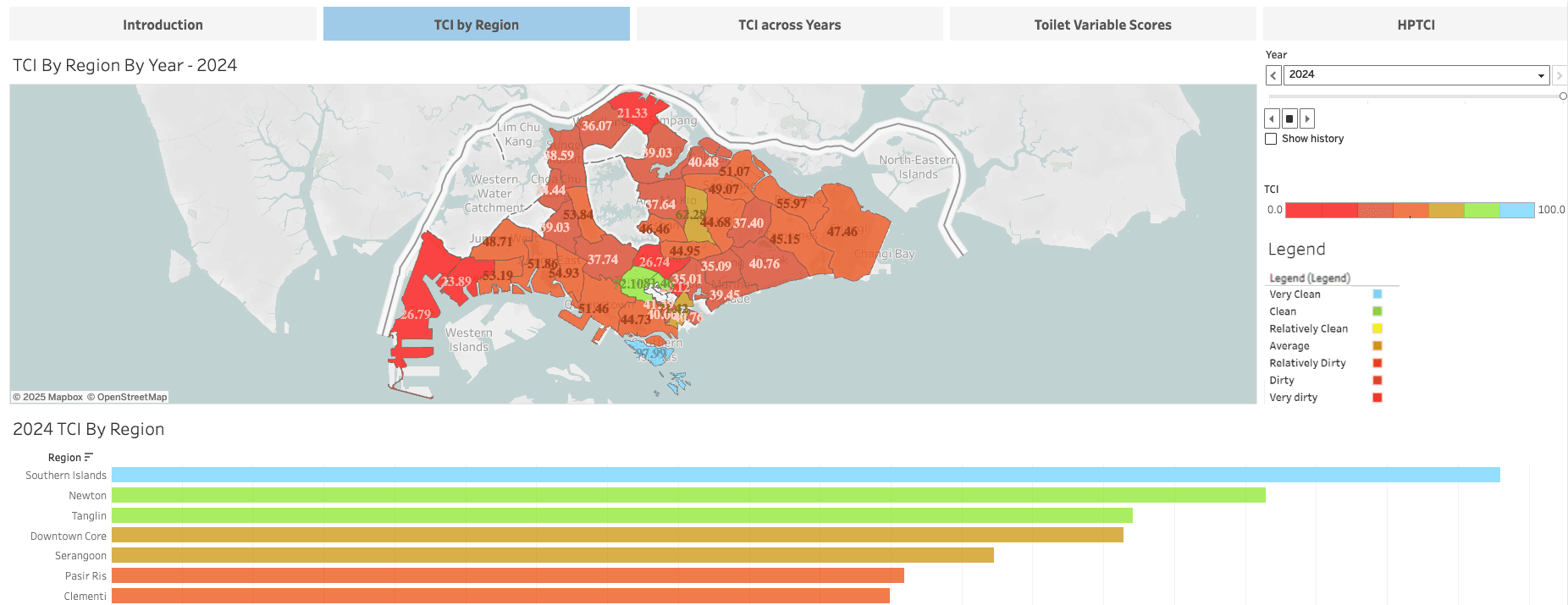
The collaborative effort included beneficiaries and partners like Singapore Kindness Movement, Public Hygiene Council, National Environment Agency, Restroom Association Singapore, and World Toilet Organization.
"Reliable, meticulous, detail-oriented, accurate analysis with swift comebacks, checks and an ultimate outcome of excellent quality bar none."
Key Takeaways
- Digital platforms can dramatically improve data collection speed and accuracy in large-scale public health studies.
- Gamification and real-time scoring increase engagement and reduce manual work.
- Collaborative partnerships enhance credibility, participation, and impact.
- Public dashboards and transparency strengthen trust and support data-driven decision-making.