
Americas Arctic Military Buildup: US, Canada, And Denmark Join Forces In Greenland Amid Rising Tensions With Russia
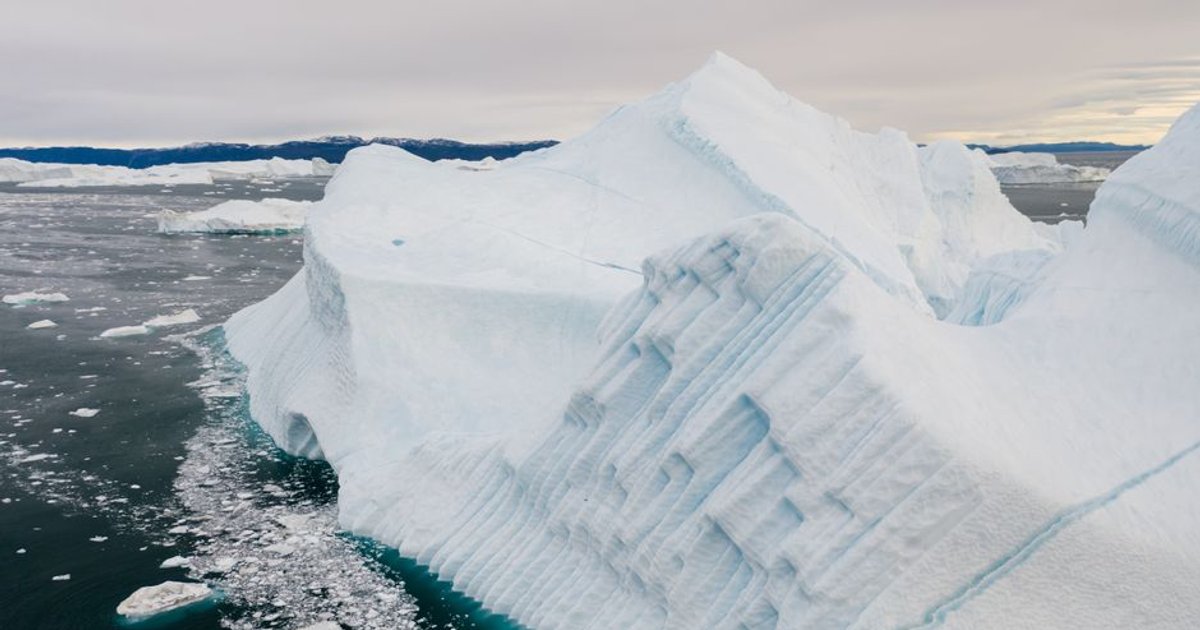
America’s Arctic Awakening: The New Frontlines of Power on Russia’s Doorstep
Over the Arctic’s vast, icy expanse, a silent contest is roaring to life as the world’s mightiest military machines converge amid rising tensions and shifting allegiances. What was once a peripheral theater of the Cold War has transformed into a volatile crucible where global ambitions, climate change, and new security doctrines fuse. The United States, joined by allies such as Canada and Denmark, has surged its presence and exercises in the Arctic, signaling an era where the northernmost latitudes are no longer a frozen afterthought but a core battleground for twenty-first-century power projection. The recent crescendo in military activity around Greenland, as well as the strategic signaling on Russia’s doorstep, reveals not only the chilling new reality of modern deterrence but also the profound implications for diplomacy, commerce, and environmental stewardship.
The Geopolitical Icebreaker: History Meets Modern Power
Rediscovering the Arctic's Strategic Significance. The Arctic was once dismissed as a frigid void, a passive bystander to global conflict. However, as rapid climate change unlocks new shipping lanes and resource frontiers, the region has reemerged as a chessboard for power projection. The United States Northern Command’s (USNORTHCOM) recent deployment of the 115th Fighter Wing and participation in multinational exercises in Greenland punctuate a historic shift. Where once the US and Soviet Union eyed each other warily through icy fog, today’s US military presence is both a signal and a shield, a guarantee that strategic competitors in the region will be met with unity and force. As Fox News reports, America’s “Arctic war machine” is no longer dormant; it is roaring to life with intent, precision, and unprecedented international collaboration.
Multi-Nation Arctic Operations. This “roaring to life” is not a solitary American endeavor. According to CBC and Yahoo News Canada, joint exercises with Canada and Denmark’s militaries in Greenland underscore a shared recognition of growing risks. The melting polar ice is not just a climatological phenomenon, but a catalyst for shifting alliances and new operational doctrines. These maneuvers are more than posturing; they embody years of strategic recalibration, from the renovation of Thule Air Base to cross-Arctic logistics rehearsals and the deployment of advanced air assets capable of rapid strike and detection.
Emerging Patterns: From Ice to Influence
Thawing Politics, Freezing Rivalries. As the Arctic becomes increasingly navigable, the race for influence accelerates. New data and operational trends reveal a decisive pattern: Russia’s own Arctic Command has been rapidly modernizing its bases, airfields, and missile defenses along its northern coast. In response, US and allied exercises are no longer rare showcases, but routine signals of readiness and deterrence. The cycle is clear, each side tests, calibrates, and responds, rendering the Arctic a dangerously dynamic frontier.
Technological Innovation and Battlefield Agility. The landscape’s extremities demand more than firepower; they require innovation. The use of advanced fighter aircraft, improved satellite and drone surveillance, and adaptive cold-weather logistics reflects a major evolution from the static garrisons of the past. According to DVIDS reports, the 115th Fighter Wing’s deployments push the envelope of operational agility, rehearsing scenarios ranging from air defense to rapid resupply, capabilities that are both a deterrent to adversaries and a shield for critical Arctic lanes and assets.
Real-World Implications: Security, Sovereignty, and Society
Market and Environmental Impacts. Military build-up in the Arctic is more than a contest of arms; it reverberates through global supply chains and local communities. The opening of the Northern Sea Route promises faster Asia-Europe maritime traffic yet exposes critical choke points to potential disruption. For local populations, new bases and military activities offer economic boosts but also pose risks to fragile ecosystems and traditional ways of life. The dual pressures of defense and development place unique demands on all Arctic stakeholders, from U.S. strategists to Inuit organizations.
Diplomacy and Deterrence in Uncharted Waters. As the United States, Canada, and Denmark rehearse Arctic defense, diplomatic mechanisms must evolve to match the tempo of military activity. The region’s legal patchwork, most notably the United Nations Convention on the Law of the Sea, remains a source of contention. The recent exercises signal more than readiness; they are deliberate acts of reassurance to allies and warnings to would-be aggressors that the rules-based order will be enforced, even in the planet’s most inhospitable reaches.
Comparative Perspectives: Old Realities, New Viewpoints
The View from Washington and Ottawa. For American and Canadian leaders, the Arctic represents a test of strategic resolve and alliance solidarity. The priority is deterrence: ensuring that Russian movements, including airspace incursions or submarine probes, are met with firm, visible response. As reported by Fox News, these efforts are supported by high-tech assets and multinational training programs designed to “project power” in the harshest conditions.
The Russian Response. By contrast, Moscow views the Arctic as a core sovereign zone, vital for national security and economic development. Its investments in icebreakers, missile systems, and new bases are framed as defensive necessities in the face of “NATO encroachment.” This perspective is not merely rhetorical; it shapes Russia’s posture, its willingness to escalate, and its approach to negotiation.
The European Pillar. Denmark, as Greenland’s administrative authority, balances alliance commitments with indigenous considerations and environmental stewardship. Its cooperation in joint exercises signals a pragmatic recognition that sovereignty in the Arctic is increasingly collective, not just national.
“In the coming decade, the Arctic will cease to be a backdrop and become the main stage, a region where the balance of power, innovation, and climate adaptation are decided not in isolation, but through the vigilant choreography of allies and rivals alike.”
Forward-Thinking Insights: Innovations, Challenges, and the Road Ahead
Climate Change as a Force Multiplier. Rapid warming has made the Arctic accessible, but also unpredictable. Military planners now contend with new variables, seasonal melt, treacherous weather, and unprecedented maritime traffic. The future will demand not only technological innovation but also robust civil-military cooperation to manage accidents, search and rescue, and environmental incidents.
Data-Driven Security and Smart Deterrence. The integration of satellite surveillance, AI-driven logistics, and networked sensor arrays will shape the Arctic battlespace. America’s current rehearsals in Greenland are already leveraging such capabilities, moving beyond brute force to information dominance, a trend likely to accelerate as competition intensifies.
Cross-Domain Operations and Hybrid Threats. Beyond traditional air and sea maneuver, cyber operations, electronic warfare, and disinformation campaigns are expected to proliferate. The Arctic, once insulated by remoteness, is now a theater for full-spectrum competition.
Conclusion: The Arctic’s Strategic Crossroads
The modern Arctic is no longer a distant periphery but a frontline, its fate intertwined with global security, economic resilience, and the evolving architecture of alliances. America’s awakening in the far north, supported by Canadian, Danish, and other NATO forces, is more than a show of strength; it is a call to action. The region’s future will be decided not by the mightiest individual actor, but by the most agile coalition capable of balancing deterrence, dialogue, and adaptation. As the United States and its allies continue to “project power” in the Arctic, the world must recognize that this is not just a military contest, but a crucible for the values that will define twenty-first-century order. The time is now for policymakers, innovators, and civil society alike to grapple with the Arctic’s promise, and its perils, before the ice gives way to an entirely new world.