
Americas Arctic War Machine Awakens: US, Canada, And Denmark Join Forces In Greenland Amid Rising Russian Tensions
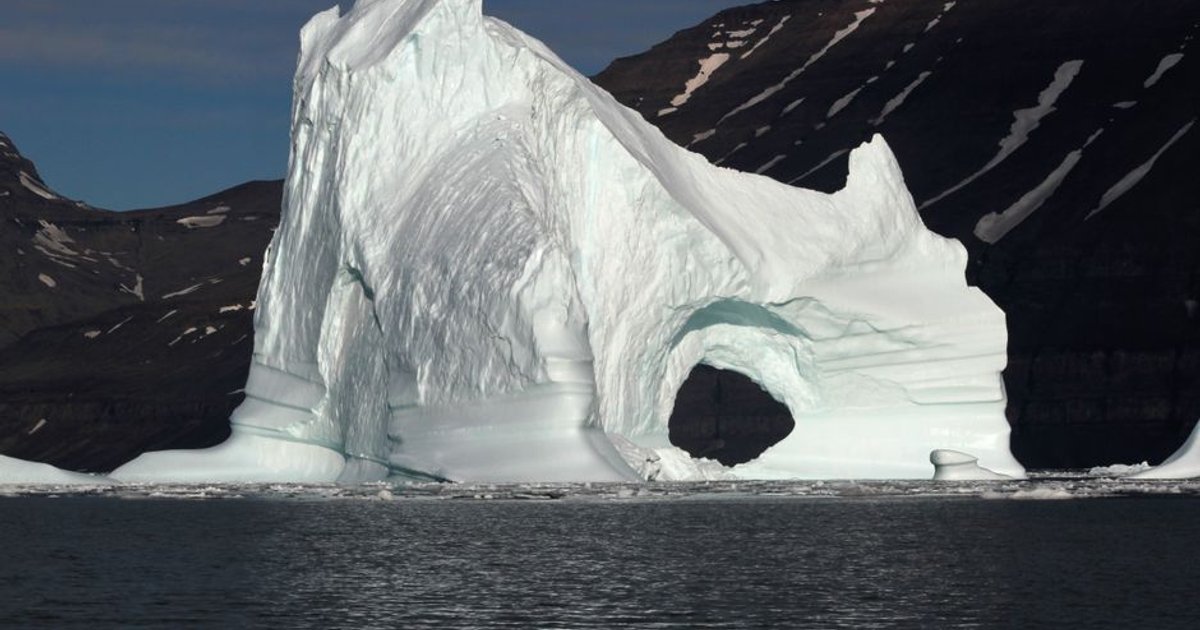
America’s Arctic Awakening: The New Frontier of Global Power Competition
On the icy edge of the world, where night can last for months and temperatures plunge to extremes, a new theater of global consequence is surging to life. The Arctic, once the domain of explorers and indigenous communities, is now at the core of military strategy, energy ambition, and geopolitical rivalry. As the United States revives and projects formidable power in the region, coordinated with Canada and Denmark, a chilling new reality emerges on Russia’s doorstep. This exposé delves deep into the roots and ripples of America’s Arctic “war machine,” uncovering tactical shifts, innovative practices, and the profound implications for regional and worldwide stability.
An Era of Shifting Ice: From Frozen Backwater to Geostrategic Epicenter
The Arctic Transformed: For centuries, the High North was defined more by its remoteness than relevance. Melting ice, however, has redrawn planetary maps; new shipping lanes like the Northern Sea Route now beckon with promise and peril. Global warming is not only revealing untapped energy reserves but also granting military access to previously unreachable domains. The United States, Russia, and China are all investing in capabilities designed for this forbidding theater.
Reigniting the Arctic Machine: Recent military exercises, such as those coordinated by the 115th Fighter Wing and USNORTHCOM in Greenland, spotlight a dramatic uptick in U.S.-led involvement. These are not routine drills; they are a signal to both allies and rivals that the Arctic is now fundamental to American defense. The joint training with Canadian and Danish forces further illustrates a pivot to multinational deterrence, echoing Cold War unity but tailored to a twenty-first century marked by climate, cyber, and hybrid threats.
Driving Forces: Why the Arctic Matters Now
Resource Rivalry: Beneath the polar ice is a trove of hydrocarbons, rare earth minerals, and untapped fisheries. The U.S. Geological Survey estimates that up to 13 percent of the world’s undiscovered oil and 30 percent of its natural gas could be buried in the Arctic. As access improves, so too does the competition to claim and control these riches, fueling a scramble reminiscent of the last century’s great energy races.
Russia’s Arctic Ambitions: Moscow has reactivated Soviet-era bases, deployed advanced missile systems, and invested heavily in its “Northern Fleet.” This posture is not defensive alone; it telegraphs intent to secure dominance over vast Arctic zones. The renewed American presence is a direct counterweight, signaling that the U.S. will not concede strategic ground.
Climate and Security Intertwined: The melting polar ice cap is both a warning and a weapon. While it exposes vulnerabilities, such as open sea passages and eroding coastlines, it also facilitates rapid military deployment, surveillance, and even cyber operations in an environment that was, until recently, a natural fortress.
Inside the War Games: New Tactics and Technologies on Display
Joint Exercises in Extreme Conditions: The recent trilateral exercises in Greenland, bringing together soldiers from the United States, Canada, and Denmark, were more than symbolic. They tested interoperability in sub-zero environments, refined intelligence-sharing, and honed logistical supply lines in terrain as hostile as any on Earth. According to first-hand reports, these maneuvers involved air, land, and sea components, with embedded technology trials and emergency response drills.
Arctic-Optimized Hardware: Modern fighter jets and surveillance aircraft have been adapted for the region’s unique challenges. The U.S. Air Force has invested in cold-weather avionics, robust communication systems, and guided munitions that remain reliable at polar temperatures. Innovations include drones tested for navigation under the aurora borealis and UAVs designed to monitor both military and environmental parameters.
Resilient Supply Chains: The logistics of Arctic defense are as important as firepower. Rapid mobility in the High North requires icebreakers, pre-positioned equipment, and robust satellite communications. The U.S. Department of Defense is notably expanding partnerships with local communities, incorporating indigenous expertise for survival and navigation.
Comparing Perspectives: Allies, Adversaries, and Arctic Peoples
Divergent Agendas: For new viewers of Arctic affairs, it is crucial to recognize the spectrum of interests. The U.S. and its allies frame the region as a global commons, requiring freedom of navigation and international cooperation. Russia, in contrast, sees the Arctic as a sphere of sovereign privilege and is intent on setting terms of access.
Denmark and Canada’s Role: Both nations are investing in overland mobility, climate-resilient bases, and enhanced maritime patrols. Their unique legal claims, encompassing Greenland and the Canadian Arctic Archipelago, make them indispensable partners but also potential flashpoints in future boundary disputes.
Arctic Indigenous Voices: As military machines roar to life, indigenous communities are demanding meaningful consultation and environmental safeguards. These communities have historic stewardship over the land and water and are key to sustainable policy solutions. Their perspective is often absent from strategic discussions but is critical for legitimacy.
Real-World Implications: Security, Sovereignty, and Sustainability
Strategic Stability Under Pressure: The Arctic’s militarization raises the specter of accidents, miscalculation, or even direct confrontation. Unlike the open fields of Europe or the deserts of the Middle East, rescue and de-escalation in this environment are complicated by distance, cold, and unpredictability.
Environmental Stakes: The increased activity threatens fragile ecosystems. Oil spills, noise pollution, and habitat disruption loom over any military or commercial expansion. International protocols, such as the Arctic Council’s environmental agreements, are at risk of being sidelined in the pursuit of national advantage.
Economic Opportunity and Risk: The opening of new sea lanes promises shorter trade routes between Asia, North America, and Europe. Yet, they also introduce legal ambiguity over control, security, and taxation. The world must weigh the benefits of global commerce against the risks of regional instability and environmental degradation.
Looking to the Horizon: What Lies Ahead?
Emerging Patterns: The past two years have seen a dramatic increase in Arctic patrols, investment in ice-class vessels, and the integration of Arctic modules in standard NATO exercises. Data from reputable sources indicates a 40 percent uptick in U.S. military operations north of the Arctic Circle since 2020, with a corresponding spike in allied and Russian deployments.
Innovative Practices: The U.S. is pioneering “dual-use” outposts that blend environmental research with military surveillance, leveraging new partnerships across governmental and academic sectors. Joint exercises now routinely include cyber defense, reflecting the nexus of digital and physical security in the High North.
America’s Arctic resurgence is not just about matching Russia; it is about shaping a secure, collaborative, and sustainable future for a region that once seemed beyond the reach of global politics.
Conclusion: The Strategic Imperative of the High North
The Arctic is no longer an afterthought in the calculus of global power. It is a testbed for twenty-first-century strategy, pitting resource ambition against the demands of stewardship and collective security. As the United States, Canada, and Denmark deepen their military cooperation and Russia asserts its own imperatives, the region risks becoming the next flashpoint of great power rivalry. Yet, within these tensions lie opportunities for new models of cooperation, blending security needs with ecological responsibility.
The future of America’s Arctic war machine will be decided as much by innovative partnerships and respect for local voices as by the deployment of technology and troops. Whether the world succumbs to a new “cold war” or pioneers truly collaborative governance will depend on choices made today, choices that will echo across generations and latitudes. The strategic importance of the Arctic cannot be overstated; in its frozen expanse, the next chapter of global order is already being written.