
Are Australias Native Bees Thriving Or Declining? Critical Insights For Business And Households In Western Australia
Australia’s Native Bees: Unseen Guardians Amid a Conservation Crisis
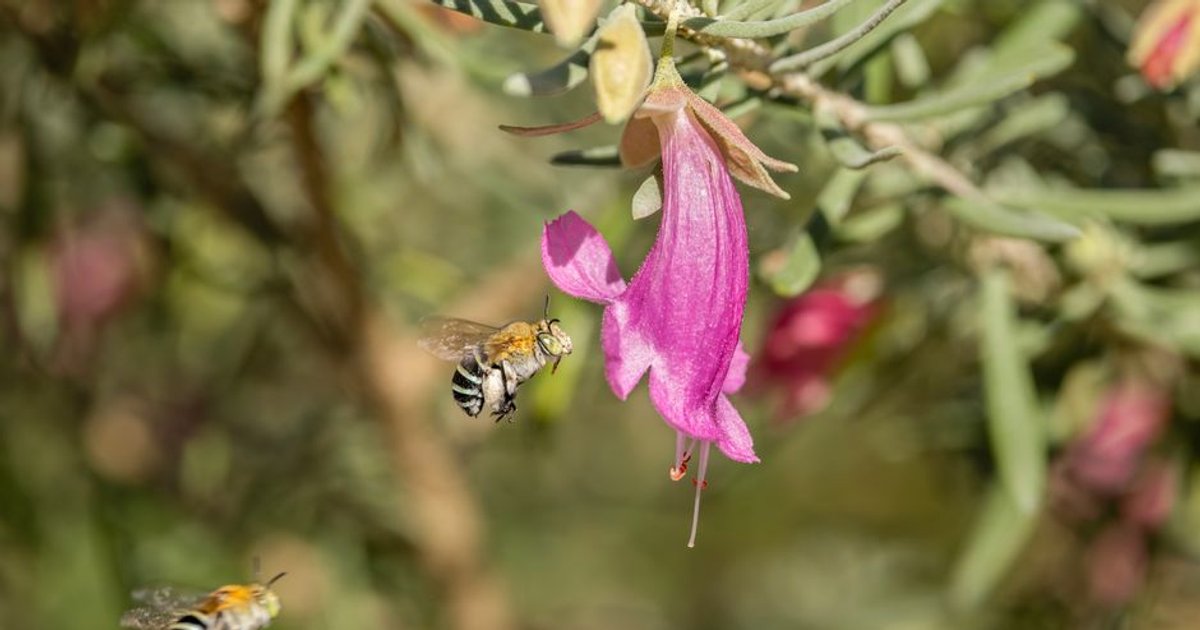
Australia’s sunburnt landscape thrums with the work of more than 1,700 native bee species, tiny pollinators that quietly underpin the productivity of wildflowers, crops, and ecosystems. Every spring, Western Australia’s arid plains host the spectacle of thousands of solitary Dawson’s burrowing bees digging their way out of the earth, their fluffy bodies seeking both nectar and mates. Yet, behind this seasonal miracle, the fate of these insects hangs in the balance. Global headlines of bee declines echo across oceans, but for Australia’s wild bees, the truth remains elusive. Conservationists confront a paradox: species are being discovered faster than they can be studied, and the lack of consistent monitoring means that the health of Australia’s native bee populations is largely unknown. As market dynamics and regulatory shifts ripple through other industries, from coffee pricing to fake online reviews, native bee conservation emerges as a domain demanding urgent action, data-driven insight, and collective responsibility.
Charting the Uncertain Course of Native Bee Survival
Historical context and emerging crisis: Bees have shaped Australia’s flora for millennia, evolving in lockstep with a continent known for its biodiversity. These solitary, social, and semi-social bees are distinct from the European honeybee, which arrived only in the early colonial era. While honeybees receive attention for their economic and ecological roles, Australia’s wild bees are often overlooked, even as their importance to indigenous plant pollination is irreplaceable. According to a recent feature in The Conversation, researchers grapple with a lack of baseline data and standardized monitoring for these insects, making it nearly impossible to know whether species are thriving or declining.
Global patterns of bee decline: The conservation crisis extends beyond Australia. International studies highlight catastrophic declines in bee populations due to habitat loss, pesticide use, climate change, and disease. While Australia’s native bees have, so far, avoided many diseases threatening honeybees elsewhere, they remain vulnerable to a unique set of threats, fire, land clearing, invasive species, and climate volatility. The lack of knowledge is the most urgent threat, as unidentified losses might be occurring silently.
Data Deficiency: The Achilles’ Heel of Conservation
The rise in discovered species: With more than 1,700 native bee species catalogued and new species being found yearly, Australia is a hotspot for bee diversity. However, the absence of long-term, cross-regional population data complicates effective conservation. According to Kit Prendergast, native bee ecologist, much of what is known comes from scattered field studies or citizen science efforts, which are not enough to track national trends.
Innovative monitoring approaches: Efforts are underway to bridge the information gap. Projects leveraging digital platforms allow citizen scientists to upload sightings and photographs, while genetic analysis is opening doors for rapid biodiversity assessment. Yet, without institutional support, these initiatives risk being piecemeal and underfunded. Other sectors, like finance, have responded to disruptions with regulatory and technological solutions, as seen in the shift around credit card surcharge bans (Yahoo Finance Australia), indicating that scalable change is possible with the right frameworks.
Comparative Perspectives: What Makes Australia Unique?
Contrasting native bees and honeybees: Most Australians are familiar with honeybees, viewed as agricultural assets and environmental indicators. In contrast, native bees are solitary and often unnoticed, yet they play critical roles in pollinating indigenous plants, some of which rely solely on buzz pollination, a method not performed by honeybees. The differences extend to resilience: while honeybees suffer from diseases like Varroa mite, native bees have so far escaped widespread infection.
Market dynamics and regulatory lessons: Regulatory intervention in sectors such as coffee pricing and payment processing (as reported by SMH.com.au) reveals the potential impact of coordinated action and consumer advocacy. However, bee conservation rarely receives similar attention, even though ecological collapse could bring far greater consequences than market fluctuations.
Public perception and awareness: The issue is compounded by a lack of public engagement. While environmental campaigns often focus on charismatic species or visible threats, native bees slip under the radar. Recent recognition of influencers in public policy, such as Anika Wells on the Time100 list, signals the power of strategic communication. Similar approaches could elevate native bee protection onto the national agenda.
Real-World Implications: What Loss Means for Australia
Ecological and agricultural stakes: Native bees are essential for pollinating not only wild flora but also important crops like tomatoes, blueberries, and almonds. Loss of bee diversity threatens plant reproduction, food security, and ecosystem resilience. The ripple effects could extend from farmers’ yields to the survival of rare plant species, impacting industries and communities nationwide.
Conservation strategies and tactical shifts: Without hard data, conservationists are forced to rely on best guesses and regional anecdotes. There is a growing push for national monitoring programs, integrating academic research, citizen science, and government policy. Some innovative practices include establishing pollinator gardens, limiting pesticide use, and supporting indigenous land management techniques.
Exposés from Other Sectors: Learning from Disruption
Transparency and trust: The recent crackdown on fake online reviews, as reported by AsiaOne (AsiaOne), underscores the importance of trust and transparency in public-facing industries. Conservation, too, suffers when data is unreliable or manipulated. Building robust, transparent monitoring mechanisms is as vital for ecological stewardship as it is for marketplace integrity.
Cross-sector innovation: Solutions in one sector can inform another. For instance, digital platforms for financial regulation could be adapted for ecological monitoring, utilizing real-time data aggregation and public dashboards. The integration of such technologies may catalyze a new era for environmental management, where every citizen can contribute to monitoring and safeguarding native bees.
Stories of Resilience and Connection
Human stories and community action: The intersection of personal narratives and ecological stewardship is evident in stories such as the friendship between an Australian army veteran and an Afghan refugee, who found solace and meaning through art and camaraderie (The Guardian). Community engagement is central to the future of conservation, with grassroots movements often leading the way in restoring habitats and raising awareness.
Indigenous knowledge and stewardship: Indigenous Australians have long understood the symbiotic relationship between land and pollinators. Their stewardship offers models for restoration and sustainable management, yet collaboration remains underutilized. Embracing indigenous and local expertise can close knowledge gaps and catalyze meaningful action.
"The silence in our data is a call to arms. If we do not know whether Australia’s native bees are thriving, we risk losing them before ever understanding their value."
Forward-Thinking Insights: Building a Strategic Roadmap
Investing in research and infrastructure: The conservation challenge demands investment in research, monitoring technology, and habitat restoration. Public, private partnerships, as seen in financial and regulatory sectors, could unlock resources for large-scale ecological mapping and risk assessment.
Harnessing education and advocacy: Schools, media, and government messaging must be mobilized to foster public understanding of native bee diversity and ecological importance. As the recognition of rising stars like Anika Wells suggests, leadership can transform public sentiment and drive change.
Policy and regulatory frameworks: Effective conservation will require regulatory clarity and enforcement, from protecting habitats to restricting harmful pesticides and invasive species. Lessons from industries facing disruptive shifts point to the power of timely intervention and adaptive governance.
Conclusion: A Strategic Imperative for Australia’s Future
Australia’s native bees are more than pollinators; they are bellwethers for environmental health and sustainable prosperity. The current lack of data is not simply an academic gap, it is a blind spot with profound implications. If Australia fails to act, the loss of species could undermine food security, biodiversity, and cultural heritage. Conversely, a coordinated response, leveraging digital innovation, community engagement, and regulatory foresight, could secure the future for these unseen guardians. In a world awakening to the fragility of ecological systems and the forces shaping marketplaces, bee conservation stands as a test for the nation’s ability to anticipate and address complex challenges. The time has come for Australia to lead with ambition, transparency, and stewardship, ensuring that every spring remains a celebration of resilience and renewal.