
Australias Native Bees In Crisis: Are Populations Thriving Or Declining Across Western Australia?
Australia’s Native Bees, Economic Surges, and Shifting Global Dynamics: Unraveling the Fabric of Change
In an era marked by environmental upheaval, economic fluctuations, and an intensifying debate over ethics and policy, few stories intertwine local and global significance as potently as the simultaneous fate of Australia’s native bees, acute market trends like surging coffee prices, and urgent calls for justice reform in the United States. These disparate threads reflect a world in transformation, challenging preconceptions and calling for bold collective strategies. This exposé moves beyond headlines to trace the interconnected roots of these phenomena, offering a panoramic view of the real-world implications facing societies today.
Australia’s Native Bees: Guardians of a Fragile Ecosystem
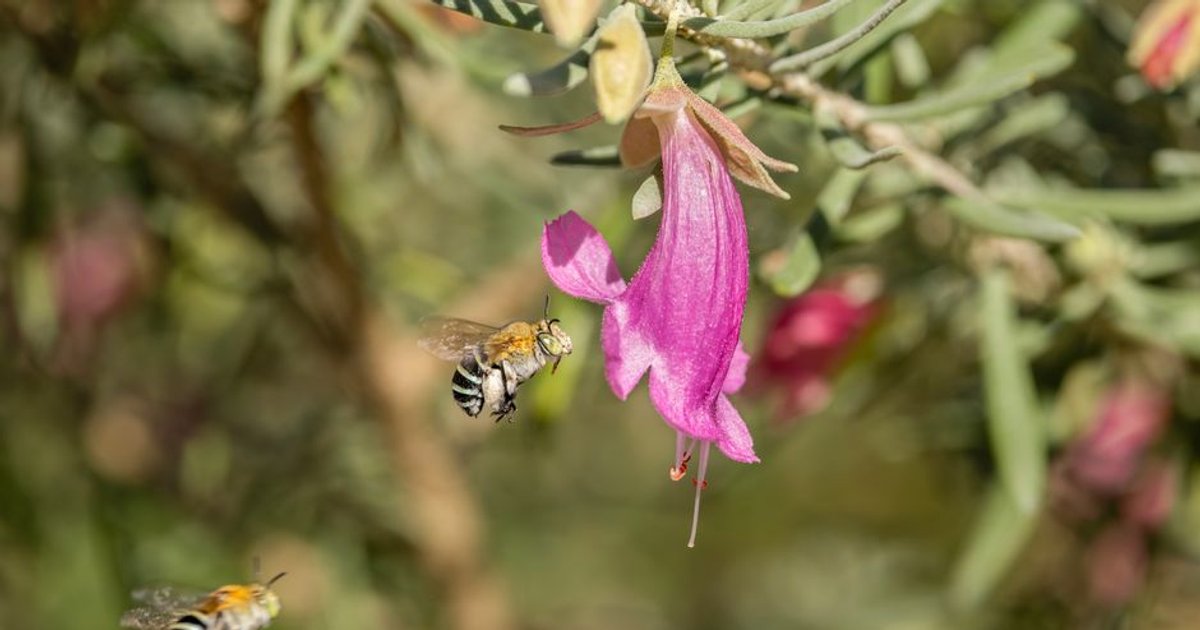
Fluctuating Fortunes: Each Australian spring, thousands of Dawson’s burrowing bees (Amegilla dawsoni) rise from the arid plains of Western Australia, their emergence a testament to resilience. With over 1,700 native bee species, Australia is a hotspot of pollinator diversity. Yet, the absence of comprehensive data shrouds the true status of these populations. As Kit Prendergast notes in her investigative analysis, scientists simply do not know if these bees are thriving or in decline, a knowledge gap with profound ecological ramifications.[The Conversation]
Ecological Significance: Native bees play a crucial, often underappreciated, role in sustaining native flora and broader biodiversity. Their decline could spell disaster for plant pollination and, consequently, for the wildlife and industries that depend on these ecosystems.
The Unfolding Crisis: Data Gaps and Tipping Points
Lack of Monitoring: Unlike Europe and North America, Australia lacks a rigorous, nationwide monitoring system to track native bee populations. This gap leaves the country vulnerable to "silent" declines, where species slip away unnoticed until their ecological roles are missed.
Global Patterns, Local Risks: The plight of native bees echoes a wider conservation crisis. Across continents, wild bees are vanishing due to habitat destruction, pesticide use, diseases, and climate change. Australia’s relative isolation has, so far, shielded its bees from some invasive threats, but experts warn of complacency.
Economic Realities: The Coffee Surcharge Controversy
Market Pressures: While bees underpin the agricultural sector, Australian consumers face a different kind of sting: skyrocketing coffee prices. After Prime Ministerial assurances of cheaper coffee, sudden surcharges and price hikes have incited public outcry and accusations of government double standards.[Yahoo Finance Australia]
Double-Edged Policy Shifts: Regulations banning credit card surcharges for small businesses have, paradoxically, led to higher base prices for consumers. Cafe owners warn that absorbing costs jeopardizes their survival, underscoring the delicate balance between affordability and viability in the service economy.
Justice and Humanity: The Christa Pike Execution Debate
Botched Processes, Rising Calls: Across the globe, US death penalty practices have come under scrutiny following the failed execution of Christa Pike. Pike, a teenage offender on death row for three decades, survived two lethal injection attempts, sparking a wave of criticism and renewed advocacy for a nationwide halt to executions.[The Guardian]
Systemic Reflection: Human rights advocates argue that such procedural failures expose deeper issues in the justice system, fueling legislative debates and international pressure on the United States to reevaluate its stance on capital punishment.
Comparative Insights: Contrasting Public Discourses
Global South vs. Developed World: In countries like Pakistan and Vietnam, sports such as football serve as both an escape and a stage for national pride. Pakistan’s narrow defeat against Vietnam in the ASEAN Cup reflects the country's determination to compete on the world stage, even amid ranking disparities.[The Express Tribune] Conversely, in Australia and the United States, public debates orbit around conservation, consumer costs, and justice reform, issues rooted in institutional frameworks and historical privilege.
Divergent Stakes: While Australian consumers grapple with coffee prices and environmentalists sound the alarm on pollinator decline, many emerging economies are focused on basic infrastructural and competitive advancements.
Innovative Responses and Tactical Shifts
Science and Citizen Engagement: The path to safeguarding native bees hinges on citizen science and targeted research. Grassroots monitoring initiatives, coupled with robust data analytics, can fill knowledge voids left by governmental inaction.
Market Adaptation: For small businesses, digital payment integration and dynamic pricing strategies offer potential buffers against regulatory and market shocks. Some cafes experiment with subscription models, pre-paid loyalty programs, or direct sourcing to mitigate cost pressures.
Legal and Ethical Reform: The American justice system faces a reckoning. Policy think tanks and advocacy groups propose alternatives to the death penalty, emphasizing restorative justice and error-proof systems.
The crises and controversies of our era call not for passive acceptance, but for imaginative adaptation, blending science, commerce, and conscience to create resilient communities and institutions.
Forward-Thinking Insights: Building Resilience Amid Uncertainty
Proactive Research: Establishing national bee monitoring networks could uncover population trends and inform evidence-based conservation strategies.
Consumer Advocacy: Transparent pricing and regulatory dialogue can protect both consumers and small business owners, fostering a fairer market environment.
Justice Transformation: By acknowledging procedural failings and instituting systemic reforms, societies can realign with evolving ethical standards, preserving legitimacy and international standing.
Conclusion: Charting the Future, From Crisis to Opportunity
The threads of bee conservation, market economics, and justice reform are not merely coexisting but converging. They underscore the necessity of informed action and cross-sector collaboration. Australia stands at a crossroads: it can lead by example, pioneering ecological research and market innovation, while also participating in global dialogues about justice and human rights. Similarly, the economic and ethical debates unfolding in other contexts, from Pakistan’s sports ambitions to the United States’ legal quandaries, highlight universal challenges rooted in adaptation and equity.
To secure a sustainable future, stakeholders must invest in robust monitoring, transparent governance, and ethical recalibration. The question is not whether crises will arise, but whether we will choose to confront them with creativity, resolve, and an unwavering commitment to collective well-being. The time to act is now.