
Business Growth Strategies of Diaper Disposal Brands: Diaper Genie and Competitors
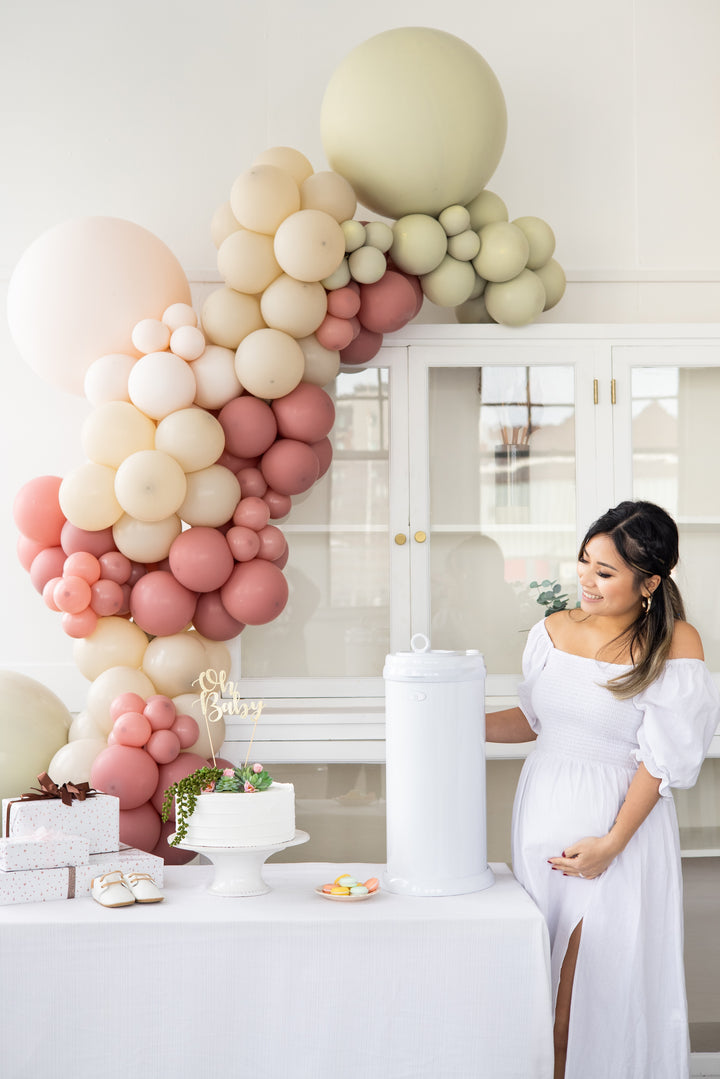
Diaper disposal brands have turned an everyday necessity into a competitive consumer packaged goods category, leveraging hardware-plus-consumables models to drive recurring revenue and household retention. This comparison examines how leading players have built scale, diversified portfolios, and differentiated their value propositions, providing actionable insight for business leaders evaluating market-entry or expansion strategies.
Each company’s growth trajectory reflects tactical choices in acquisition, global distribution, product design, and cross-category integration. By analyzing the market positioning and business models of seven significant brands, operators can distill lessons in scaling, monetizing, and sustaining competitive advantage in consumer goods sectors.
How they compare
| Company | Business model | Scale | Pricing structure | Distribution channels | Growth mechanism |
|---|---|---|---|---|---|
| Angelcare | Hardware-plus-proprietary refills; acquired Diaper Genie | International, 60 countries | Entry pail plus recurring liner refills | Retailers, distributors, global | Strategic acquisition and installed base buildup |
| Edgewell Personal Care | Diversified consumer goods portfolio | National/international (varies by brand) | n/a | Retail, branded product integration | Acquisition and divestiture, portfolio optimization |
| Munchkin | Broad baby-products portfolio | National/international retail penetration | n/a | Mass retail, specialty retail, e-commerce | Portfolio breadth and cross-category household penetration |
| Ubbi / North American Bear | Premium durable hardware using ordinary bags | Design-led segment, international | Premium hardware, lower refill costs | Retailers, online | Design innovation and non-proprietary bag compatibility |
| Tommee Tippee / Mayborn Group | Core nursery and feeding products, disposal as extension | Global, multi-market | n/a | Retail, distributors, direct e-commerce | Product innovation and global brand expansion |
| Diaper Dust / Busch Systems | Waste management platforms for institutions and consumers | Commercial/institutional and consumer segments | n/a | Institutional sales, retail | Expansion from commercial waste to specialized diaper solutions |
| Béaba | Premium childcare products and nursery-care systems | International markets, specialty retail | Premium hardware, accessory add-ons | Specialty retail, department stores, distributors, e-commerce | Design-driven product-system expansion |
The verdict: Operators seeking recurring revenue should prioritize hardware-plus-consumables models with established brands, while those targeting premium or institutional segments can differentiate through design or channel expansion. Growth decisions hinge on acquisition, distribution scope, and product-system breadth.
Ranked
1. Angelcare: Strategic acquisition broadens global scale
Angelcare’s purchase of Diaper Genie built on a strong installed base and robust refill economics.
| Founded | 1997 |
|---|---|
| HQ | Montreal, Canada |
| Scale | Distributes in 60 countries |
Angelcare entered the diaper-disposal segment with a strategic acquisition of Diaper Genie and Litter Genie assets from Edgewell in 2019 for $122.5 million, instantly gaining a large installed consumer base and an established proprietary refill business. (Source)
Today, Angelcare leverages this acquisition to maintain category leadership, distributing its infant-care and waste-disposal products through a multinational network and sustaining growth via recurring sales of refill liners.
What they got right
- Acquired Diaper Genie assets: Secured market share and recurring customer revenue.
- Global retail distribution: Expanded reach across 60 diverse markets.
- Private ownership structure: Flexible deployment of resources for innovation and scaling.
The takeaway: Strategic M&A paired with global distribution can rapidly scale a recurring-revenue business in consumer goods.
Sources: ir.edgewell.com
2. Edgewell Personal Care: Portfolio optimization via acquisition and divestiture
Edgewell’s acquisition and later divestment of Diaper Genie demonstrate focused capital allocation.
| Founded | 1999 |
|---|---|
| HQ | Shelton, Connecticut, U.S. |
Edgewell acquired Playtex in 2007, integrating Diaper Genie into its broader personal-care portfolio. This allowed Edgewell to cross-leverage brand assets and retail relationships to maximize category penetration. (Source)
After evaluating its business focus, Edgewell divested the infant- and pet-care segment in 2019, sharpening its resource allocation towards core categories like shaving and sun care while monetizing its installed base. (Source)
What they got right
- Acquisition of Playtex: Enabled brand integration and market consolidation.
- Strategic divestiture: Directed capital and management focus to high-margin core brands.
- Public company structure: Access to capital markets for inorganic growth initiatives.
The takeaway: Periodic portfolio review and divestment can drive long-term category focus and value extraction.
Sources: ir.edgewell.com, ir.edgewell.com, ir.edgewell.com
3. Munchkin: Diversified portfolio enables cross-category growth
Munchkin builds household penetration by integrating nursery-care systems within a broader baby-products lineup.
| Founded | 1991 |
|---|---|
| HQ | Los Angeles, California, U.S. |
Munchkin expanded from infant accessories into nursery-care and diaper-disposal systems, utilizing its extensive retail and e-commerce channels to drive cross-selling and brand loyalty among parents.
By not relying exclusively on disposal hardware and consumables, Munchkin manages category risk while supporting household adoption through strategic product breadth.
What they got right
- Multi-category portfolio: Reduces vulnerability to category-specific trends.
- Retail and online channel integration: Maximizes household adoption via access and convenience.
- Cross-selling strategies: Encourages repeat and add-on purchases.
The takeaway: Integrating disposal systems within a broad baby-care portfolio provides multiple revenue streams and consumer touchpoints.
Sources: ir.edgewell.com
4. Ubbi / North American Bear: Design-led differentiation for premium positioning
Ubbi targets parents seeking reusable, non-proprietary solutions with award-winning design.
| Founded | 1997 |
|---|---|
| HQ | Toronto, Canada |
Ubbi entered the market by focusing on durable hardware that uses ordinary trash bags, differentiating itself from refill-dependent competitors and supporting premium pricing through design awards and material quality.
As a result, Ubbi has developed a loyal following among parents who prioritize sustainability and design, carving a niche in the higher-end segment of nursery-care products.
What they got right
- Non-proprietary bag compatibility: Reduces consumer dependency and ongoing costs.
- Premium design focus: Attracts buyers willing to pay for aesthetics and durability.
- Retail and online sales: Ensures broad accessibility and brand visibility.
The takeaway: Design and bag flexibility enable premium pricing and differentiation in a consumables-driven category.
Sources: ir.edgewell.com
5. Tommee Tippee / Mayborn Group: Global expansion and innovation power brand strength
Tommee Tippee leverages product innovation and global distribution to sustain a leading baby-care portfolio.
| Founded | 1965 |
|---|---|
| HQ | Newcastle upon Tyne, United Kingdom |
Tommee Tippee, owned by Mayborn Group, grew through continuous product innovation and retail expansion, building a trusted brand across feeding, nursery, and diaper-disposal categories in multiple international markets.
The strength of the Tommee Tippee brand ensures ongoing household penetration, with disposal systems benefiting from consumer loyalty established in related segments.
What they got right
- Global retail and online distribution: Unlocks scalable market access and household adoption worldwide.
- Product system breadth: Enhances cross-category loyalty and repeat purchasing.
- Brand-led innovation: Maintains relevance and differentiation in mature markets.
The takeaway: A trusted brand and global footprint fortify expansion of complementary diaper-disposal offerings.
Sources: ir.edgewell.com
6. Diaper Dust / Busch Systems: Institutional channel expansion leverages waste expertise
Busch Systems moves diaper-waste solutions beyond households, tapping institutional and sustainability markets.
| Founded | 1985 |
|---|---|
| HQ | Barrie, Ontario, Canada |
Busch Systems expanded from commercial waste management into specialized diaper-waste solutions, leveraging its manufacturing platform and reputation for sustainability to serve both institutional and consumer segments.
This approach positions Busch Systems as a player in childcare, healthcare, and commercial channels, broadening market scope and aligning with evolving waste-management priorities.
What they got right
- Manufacturing platform expansion: Enables scalable entry into new sanitary-waste categories.
- Sustainability positioning: Aligns with institutional procurement and regulatory needs.
- Institutional sales: Accesses larger-volume customers outside traditional retail.
The takeaway: Leveraging existing waste-management expertise enables scalable entry into adjacent sanitary-waste segments.
Sources: ir.edgewell.com
7. Béaba: Premium design and distribution fuel global growth
Béaba uses French design and international retail to extend its childcare portfolio into nursery-care and disposal systems.
| Founded | 1989 |
|---|---|
| HQ | Paris, France |
Béaba expanded from premium feeding and food-preparation products into nursery-care, using its reputation for French design and quality to penetrate specialty retail, department stores, and e-commerce across international markets.
Brand breadth and global distribution enable Béaba to compete in both core and adjacent categories, with a strong value proposition for style-conscious parents.
What they got right
- Premium design orientation: Attracts consumers seeking aesthetics and innovation.
- International retail distribution: Facilitates scaling and brand recognition.
- Product-system expansion: Supports cross-category household adoption.
The takeaway: Distinctive design and multi-channel distribution underpin growth in the premium childcare segment.
Sources: ir.edgewell.com
Diaper disposal brands offer diverse lessons in monetizing convenience-oriented consumer goods, from proprietary refill economics to cross-category portfolio management. Business leaders can apply these strategies to scale, differentiate, or enter new markets based on their risk appetite, operational strengths, and long-term growth objectives.