
Chinas AI Ambitions And The US Trade Leverage: How Beijing, Washington, Thailand, And India Are Shaping The Future Of Technology
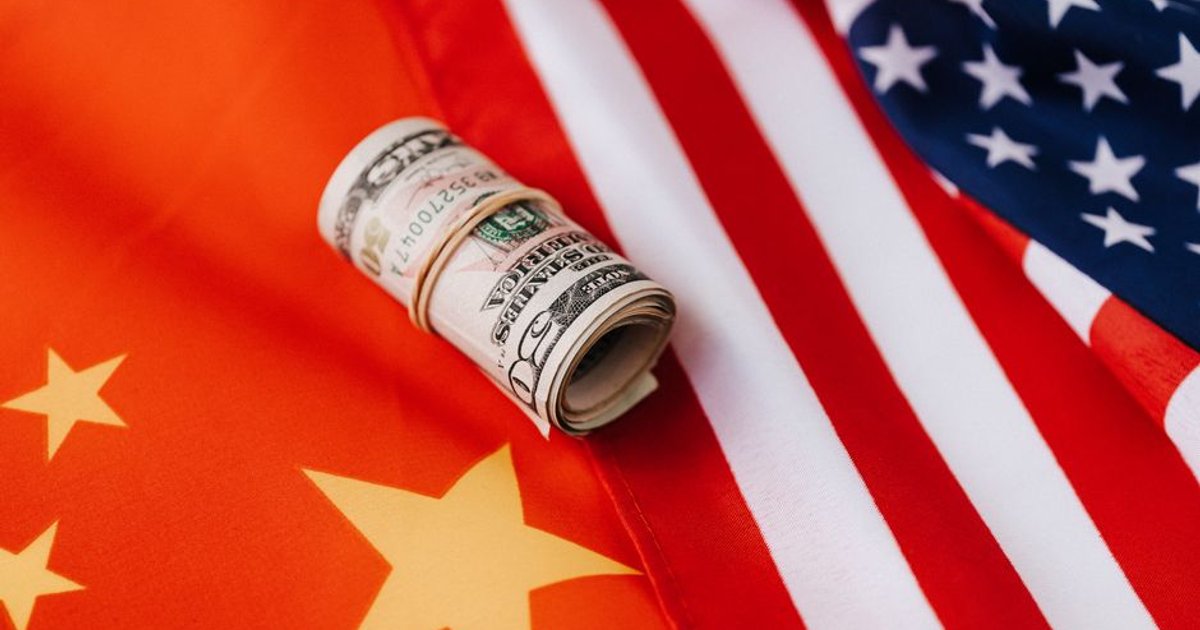
China’s AI Ambition: A Revealing Look at State Strategy and Global Implications
Artificial intelligence is reshaping the contours of global power, and in few places is this transformation as pronounced as in China. While the United States’ public discourse swirls with anxieties about job displacement, safety concerns, and regulatory gridlock, China is forging ahead with a strikingly different approach. Backed by an energized populace and decisive state action, China’s AI push is not just technological, it’s a comprehensive bid for economic and geopolitical dominance. Understanding the nuances of China's AI strategy is essential for anyone seeking to grasp the next phase of global innovation and competition.
China’s AI Evolution: From Experimentation to Dominance
Historical Perspective: Just a decade ago, China was largely a technology importer, known primarily for its manufacturing prowess. However, the emergence of AI has signaled a tectonic shift. The government’s unveiling of its “New Generation Artificial Intelligence Development Plan” in 2017 set the tone for this transformation, earmarking billions for research, talent acquisition, and infrastructure. Today, China’s AI market is valued at over $150 billion, according to Vox, positioning it as a formidable competitor to the US.
Public Enthusiasm Meets Policy Intent: Unlike Western skepticism, Chinese society is largely enthusiastic about AI’s integration into daily life, from intelligent surveillance to smart city infrastructure. This is fueled by visible improvements in public safety, efficiency, and economic opportunity, creating a feedback loop between public sentiment and policy acceleration.
State-Driven Integration: The Chinese government is uniquely positioned to coordinate resources, orchestrate regulatory frameworks, and set national priorities. This differs sharply from the US, where fragmented interests and regulatory debates often stall progress. By embedding AI across sectors, China is rapidly mainstreaming innovation, closing gaps in healthcare, logistics, and education.
Emerging Patterns and Tactical Shifts
Centralization vs. Fragmentation: At the heart of China’s AI push is centralization. State-owned enterprises and private tech giants receive coordinated funding and direction, leading to focused outcomes. In the US, private sector innovation faces competing priorities and regulatory ambiguity. China’s model enables quicker prototyping, mass deployment, and real-world feedback.
AI in Surveillance and Security: China’s embrace of AI-powered surveillance is both a tactical advantage and a source of international controversy. Smart cameras, facial recognition, and predictive policing are not only tools for maintaining order but also assets in developing globally competitive products.
Education & Talent Pipeline: China’s education system has been overhauled to produce AI-ready graduates. According to Vox, China now outpaces the US in annual STEM graduates, fueling a robust talent ecosystem. University-industry partnerships ensure theoretical research translates rapidly into market solutions.
Infrastructure and Investment: The scale of China’s investment in data centers, cloud computing, and high-performance chips is unprecedented. Nationwide rollouts of 5G and edge computing platforms lay the groundwork for future AI applications, from autonomous vehicles to smart factories.
Innovative Practices Driving China’s AI Integration
Smart Cities and Urban Planning: Across major cities, AI is used to optimize traffic flow, energy consumption, and disaster response, dramatically improving urban living standards.
Healthcare Transformation: AI-driven diagnostics and telemedicine tools have been deployed to underserved rural areas, reducing disparities and improving outcomes.
Manufacturing Automation: China’s “AI Factory” concept focuses on integrating robotics and machine learning into traditional manufacturing, cutting costs and boosting productivity.
Cross-Border Collaboration: Chinese firms collaborate with global partners, absorbing new techniques while exporting proven solutions, notably in Southeast Asia and Africa. This provides leverage in shaping global tech standards.
A Comparative View: US vs. China Approaches to AI
Culture of Caution vs. Culture of Action: The US remains wary of unchecked AI growth, with industry voices urging regulation and the public expressing concerns about existential risks. In contrast, China’s approach is a calculated embrace of opportunity, balancing surveillance with economic benefit.
Regulatory Environment: US lawmakers and advocacy groups grapple with how to govern AI’s rapid evolution. Meanwhile, China leverages its centralized authority to set clear, ambitious policies without prolonged debate.
Trade Leverage and Supply Chain Dynamics: As reported by The Jerusalem Post, the US views exports such as aircraft parts as bargaining chips in broader trade negotiations, highlighting the intersection between industrial policy and tech strategy.
Innovation Ecosystem: US startups and academic institutions drive frontier research, but China’s alignment between government, industry, and academia enables faster commercialization and scaling.
Real-World Implications: Economic, Social, and Geopolitical Impact
Economic Acceleration: China’s AI sector is expected to contribute over 26 percent of GDP growth in the next decade. This is reshaping employment patterns, upskilling workers, and creating new business models.
Social Dynamics: The integration of AI in everyday life is also prompting questions about privacy, agency, and trust. While Chinese citizens enjoy improved services, the trade-off is often increased surveillance.
Geopolitical Influence: With AI-powered tools, China is asserting itself in diplomatic, military, and trade arenas. The export of surveillance technology, smart infrastructure, and connectivity solutions is extending its reach into developing nations.
Risks and Opportunities: The speed of AI adoption presents challenges, ethical dilemmas, potential bias in algorithms, and the risk of technological dependency or social stratification. These must be confronted as China’s model evolves.
The View from India and Southeast Asia: Third-Party Perspectives
Emerging Markets as Innovation Hubs: Indian chip startups, as reported by Channel News Asia, are leveraging AI for localized applications, from smart cameras to connected vehicles. These players offer distinctive strategies compared to China’s state-centric approach.
Global Portfolio Shifts: Resources like tungsten, highlighted by recent exploration in Thailand per The Age, are critical for future chip production and AI hardware. Regional players are investing in upstream resources and technology, positioning themselves as alternative suppliers to China.
Competitive Collaboration: Asian startups collaborate both with Chinese firms and Western giants. Their agility and niche focus give them leverage, presenting a possible third path in global AI innovation.
Blockquote: Forward-Looking Insight
“In the next decade, the nations that combine decisive policy, grassroots innovation, and ethical stewardship will shape not only the trajectory of AI, but the very fabric of economic and social life around the world.”
Conclusion: Charting the Future of AI’s Global Landscape
China’s AI campaign is defined not just by technological development, but by a strategic integration that touches every facet of society and economy. As the rest of the world debates risks and regulations, China’s centralized, goal-oriented push is setting a new pace for global AI advancement.
While this approach brings remarkable efficiencies and competitive advantages, it also raises profound questions about ethics, civil liberties, and international standards. The competitive dynamic between the US, China, and emerging market innovators will shape the contours of digital society for years to come.
For leaders, technologists, and policymakers, understanding China’s strategy is not optional, it is imperative. The future will belong to those who can interpret these global shifts and act decisively, blending innovation with responsibility. The race for AI dominance is on, and its outcome will define a new era of geopolitical and socioeconomic change.