
FlyDubai Cockpit Attack And US Marine Arrest In Okinawa: Key Insights For Business Decision Makers In Dubai, Japan, And Australia
The Unfolding Crisis: Security, Accountability, and Global Trust in the Wake of Aviation and Military Scandals
In a world connected by rapid movement and delicate alliances, recent high-profile incidents, from a shocking attack in the cockpit of a FlyDubai flight to the arrest of a U.S. Marine in Okinawa for alleged murder, have thrown a stark light on the vulnerabilities that persist at the intersection of security, trust, and international relations. These events, cascading across headlines and diplomatic cables alike, invoke urgent questions about the frameworks governing aviation safety, military conduct, and cross-border cooperation. As facts continue to emerge, nations and institutions grapple with both the immediate fallout and the deeper, systemic reforms required to restore public confidence and ensure long-term stability.
Rising Incidents and the Erosion of Safety Assumptions
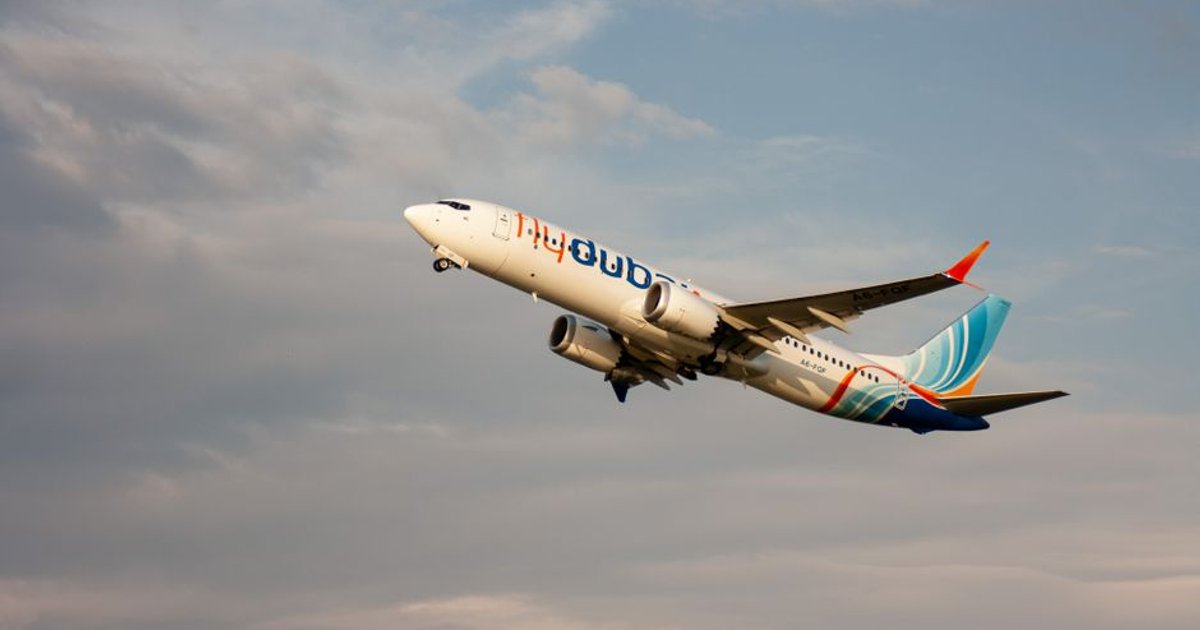
Aviation horror brings cockpit culture into sharp relief. On a fateful FlyDubai flight, the unimaginable occurred: a co-pilot, entrusted with hundreds of lives, allegedly assaulted the captain with an axe. Reports suggest the perpetrator harbored extremist intentions and had previously plotted a catastrophic attack targeting Ben Gurion Airport, only to cancel at the last moment. Details have emerged through multiple international sources, including Euronews and BBC, exposing gaps in both psychological screening and international intelligence-sharing.
Systemic weaknesses compounded by global mobility. The co-pilot's background, with stints in Australia and the United Kingdom, illustrates how individuals can slip through fragmented regulatory nets. Australian authorities, now investigating his connections, are confronting uncomfortable questions about oversight and follow-up, while British university records detail troubling rhetoric previously ignored.
Military conduct under the microscope. In parallel, the arrest of a U.S. Marine in Okinawa, accused of murdering a Japanese woman, has sparked a diplomatic crisis between Washington and Tokyo. The incident, covered by outlets such as the Washington Post and NBC News, is not an isolated event but part of a troubling trend of civilian-military tensions on U.S. bases abroad.
Patterns and Tactical Shifts: The Ripple Effects of Catastrophic Breaches
From individual failures to systemic risk. Both the cockpit attack and the alleged military murder showcase how isolated failures can have outsized effects on global systems. The aviation attack has prompted an immediate review of crew vetting and real-time psychological support, with industry experts calling for AI-enabled behavioral monitoring and tighter controls on training institutions. Militaries everywhere are under pressure to intensify cultural sensitivity and conduct training, especially among foreign-deployed personnel.
Diplomatic pressure and the changing face of accountability. In Okinawa, public outrage and official protests have forced the U.S. to directly address status-of-forces agreements, transparency in investigations, and reparations mechanisms. Japan’s reaction signals a broader unwillingness to tolerate perceived impunity for foreign personnel, and is leading to more assertive negotiations around base access and legal jurisdictions.
Comparative Analysis: Navigating the Complexity of Perspective
Victim nations vs. origin nations. In both crises, the perspectives of host nations (Israel, Japan, the UAE) sharply diverge from those of the perpetrator's home countries. For the UAE and Israel, the FlyDubai incident is a wake-up call about the vulnerabilities introduced by international labor markets and educational exchanges. Emirates-based airlines are under renewed pressure to demonstrate world-class safety and due diligence, even as they attract a workforce from dozens of countries. In Japan, the murder has reignited long-standing tensions over the presence of U.S. military bases, particularly in Okinawa, where locals have often felt sidelined by international priorities.
Military vs. civilian expectations. Where the public sees uniformed personnel as ambassadors of their home countries, the reality is often more complex. Civilians demand accountability and justice; militaries and airlines cite protocol, jurisdiction, and process. This tension risks eroding trust unless handled with extraordinary transparency and empathy.
Real-world Implications: Societal, Economic, and Political Repercussions
Public confidence at risk. Following the FlyDubai incident, nervousness about air travel has risen, especially among flyers on routes through politically tense regions. Airlines face immediate costs: increased insurance premiums, operational delays, and reputational damage that could affect market share for years.
Diplomatic costs and shifting alliances. For the U.S. and Japan, the Okinawa incident has escalated into a litmus test for the broader security partnership in the region. Japan’s government, under intense domestic scrutiny, has registered strong protests, demanding swift action and a re-examination of legal protections afforded to U.S. servicemembers.
Innovation as a response. In the wake of these crises, both the aviation and defense sectors are turning to technology and policy innovation. Airlines are piloting cockpit security upgrades and enhanced crew mental health programs. Militaries are expanding cross-cultural and ethics curricula, as well as reviewing the criteria for overseas deployment.
Forward-Thinking Strategies: Building Resilience and Restoring Trust
Integrated global screening and intelligence sharing. In an era of seamless travel and multinational workforces, legacy background check systems simply cannot keep pace. Governments, airlines, and educational institutions must collaborate on real-time intelligence platforms, respecting privacy but ensuring that red flags travel with individuals across borders.
Transparency and restorative justice. Host nations must be given meaningful roles in the investigation and adjudication of international incidents. Only through demonstrable transparency and, where appropriate, restorative approaches, can trust be rebuilt.
Proactive engagement with local communities. For militaries stationed abroad, investing in relationship-building with host communities is as critical to mission success as any hardware or training. Proactive measures, including multilingual ombudsman offices, community feedback mechanisms, and local hiring, are more than goodwill; they are strategic imperatives.
In a world where the smallest breach can spark global repercussions, resilience lies not in fortress walls but in the strength of transparent institutions and the integrity of cross-border partnerships. The road to restored trust requires not only vigilance, but a shared commitment to learning, innovation, and above all, accountability.
Conclusion: The Strategic Importance of Vigilance and Reform
The FlyDubai cockpit attack and the Okinawa U.S. Marine murder case, while profoundly disturbing, must not be seen as isolated anomalies; they are signals of deeper frictions at the intersection of globalization, mobility, and security. As the international community recalibrates its protocols, from cockpit monitoring to the terms of overseas military presence, the stakes could not be higher. Public trust in the safety of travel and the fairness of international partnerships is not a given; it must be continually earned. The future trajectory will be shaped by the rigor of reforms enacted today. Only through relentless pursuit of transparency, investment in innovation, and genuine engagement with affected communities can we avert further crises and ensure that the freedoms of movement and cooperation remain both viable and secure.
For nations, corporations, and individuals alike, the strategic imperative is clear: vigilance and reform are no longer optional. They are the price of entry for a stable and prosperous global order.