
Hanois New Check-In Bridge At Hoan Kiem Lake: Public Reactions, Opportunities And Urban Development Insights
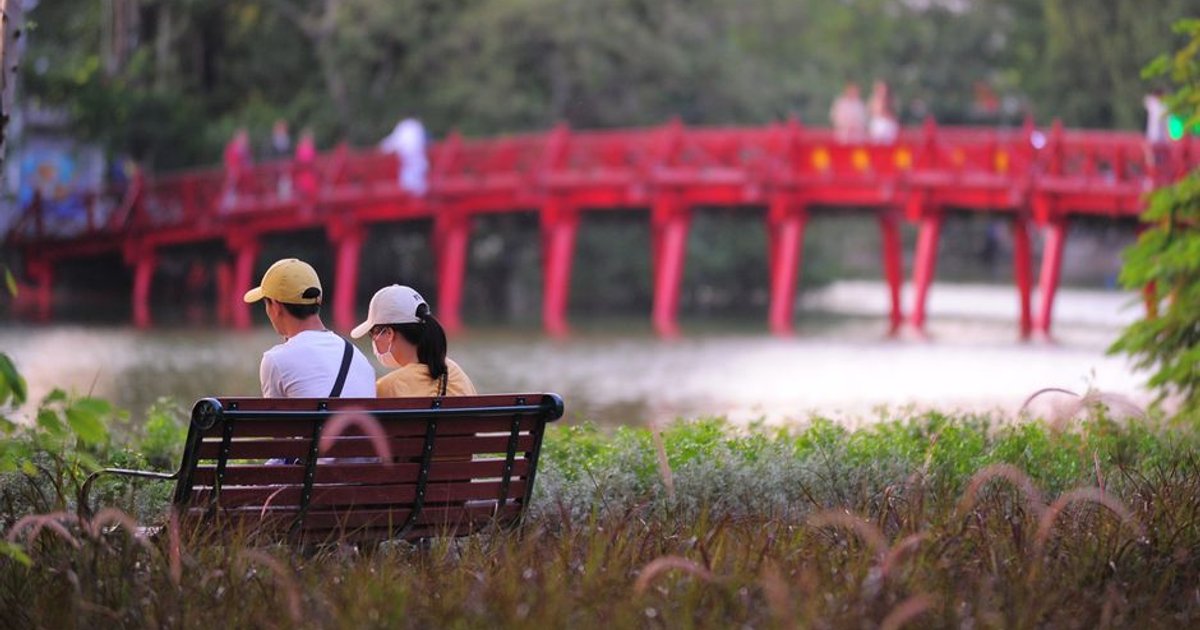
Urban Innovation and Public Controversy: Hanoi’s ‘Cầu Cạn Check-In’ Beside Hoàn Kiếm Lake
Hanoi stands at the crossroads of tradition and modernity as it embarks on a bold infrastructure project alongside its iconic Hoàn Kiếm Lake. The city’s decision to construct a scenic “cầu cạn check-in” (elevated pedestrian bridge) by Hồ Gươm reflects a growing trend in urban development, where public spaces are reimagined to foster social interaction and tourism. Yet, amid the ambitions for a rejuvenated urban landscape, the project has ignited debate among residents, heritage experts, and policymakers, highlighting the delicate balance between innovation, cultural preservation, and civic engagement. As cities worldwide seek to refresh their identities, Hanoi’s experience offers compelling lessons for both local and global audiences.
The Rise of Landmark Urban Projects: From Heritage to Instagrammable Spaces
Historical resonance and symbolism characterize Hoàn Kiếm Lake, a site deeply woven into Hanoi’s identity. For generations, the lake has served as a locus for community gatherings, historical commemorations, and everyday leisure. With the advent of social media, public spaces become not just venues for relaxation, but also stages for digital storytelling, with an emphasis on “check-in” culture that drives foot traffic and enhances city branding.
The ‘cầu cạn check-in’ initiative exemplifies this shift. Featuring a gently curving design reminiscent of a silk ribbon, the bridge is intended to invite both locals and tourists for strolls, photographs, and shared moments. City planners argue that such projects can catalyze economic activity, boost hospitality revenues, and position Hanoi as a forward-looking metropolis. As reported by VietNamNet, the effort is part of ongoing strategies to upgrade urban aesthetics and create new focal points for visitors.
Public debate and resistance have emerged, with many residents expressing “bất mãn” (dissatisfaction) regarding the bridge’s proximity to the historical lake. Critics cite concerns over environmental impact, potential disruption to the lake’s tranquil atmosphere, and risks to the integrity of traditional site lines. According to VNExpress, these sentiments reflect broader anxieties about rapid urban transformation and eroding cultural values.
Patterns of Urban Renewal: Tactical Shifts and Innovative Practices
Global precedents demonstrate that urban renewal often involves striking a balance between modernization and conservation. Cities like Singapore have successfully integrated green spaces and pedestrian bridges into heritage districts, using contemporary design to enhance rather than detract from historical significance.
Tactical urbanism, characterized by flexible, iterative development, can enable cities to experiment with new forms of public infrastructure. Hanoi’s project channels this approach, drawing from global trends to create spaces that are both functional and aesthetic. Crucially, the bridge is designed for minimal environmental interference, using lightweight materials and elevated supports.
Innovative stakeholder engagement has emerged as a key concern. The city’s attempts to solicit public input, while limited, reflect a growing awareness of participatory planning. The resistance from residents underscores the necessity for transparent dialogue, especially in projects involving iconic sites. Lessons from Singapore’s urban development strategies suggest that sustained consultation and adaptive design adjustments can foster broader buy-in and minimize backlash.
Comparative Perspectives: Balancing Local Heritage and Global Aspirations
Local perspectives are deeply rooted in the emotional and historical value of Hoàn Kiếm Lake. Many Hanoians view the lake as a “soul” of the city, and fear that infrastructural additions could undermine its authenticity. The reaction to the ‘cầu cạn’ highlights a persistent tension between preservationist priorities and modernization imperatives.
Global perspectives offer a contrasting lens. Urban planners worldwide are increasingly embracing “placemaking,” where public infrastructure becomes a catalyst for vibrant city life. A successful bridge, for instance, can serve as both a connector and a destination, as seen in Singapore’s Marina Bay area. By leveraging such models, Hanoi aims to attract younger audiences and international tourists, hoping to benefit from increased economic activity.
New viewers and generational shifts reveal evolving expectations. Younger residents, often influenced by global travel and social media trends, may appreciate the bridge’s potential for Instagrammable moments and new experiences. Yet, generational divides in Vietnam mean that heritage protections remain a high priority for older citizens and cultural custodians.
Case Studies: Tactical Adaptation and Public Engagement
Urban beautification projects in Asia underscore the need for flexible design and adaptive management. Singapore’s recent success at the Asian Games, not just in sports but also in urban hosting, illustrates how integrated public amenities can enhance city branding. The city’s sailors clinched two silver medals at the Games, a result attributed in part to training facilities situated in well-designed waterfronts (CNA).
Hanoi’s tactical shifts mirror this trend, seeking to combine community engagement with architectural innovation. The bridge’s construction methodology prioritizes minimal interference with natural landscapes, aiming to preserve aquatic ecosystems while providing new vantage points for city views.
Public engagement and controversy management are becoming strategic priorities for urban officials. As reported by VietNamNet and other news outlets, city leaders are beginning to implement mechanisms for feedback collection, aiming to respond to criticism with transparent, fact-based updates.
Forward-Thinking Insights: Navigating Controversy and Catalyzing Civic Pride
As urban landscapes evolve, the true measure of success lies not only in bold innovation, but in the capacity to harmonize collective memory with creative imagination, ensuring that every new structure amplifies rather than diminishes the spirit of place.
Future-proofing urban development demands both vision and pragmatism. Hanoi’s experience with the ‘cầu cạn check-in’ by Hồ Gươm will inform broader policies concerning heritage management, community engagement, and sustainable design. Cities must develop robust frameworks for balancing cultural authenticity with opportunities for renewal.
Integrating data-driven approaches is crucial. Real-time feedback mechanisms, impact assessments, and transparent project dashboards can empower citizens and reduce misinformation. Lessons from cities hosting large-scale events, such as the upcoming Brisbane 2032 Olympics (Brisbane Times), reflect the necessity of integrating digital tools for public consultation and legacy management.
Conclusion: Strategic Implications and Future Trajectory
The controversy and aspiration surrounding Hanoi’s ‘cầu cạn check-in’ project epitomize the challenges and possibilities of urban innovation. While the bridge seeks to transform Hoàn Kiếm Lake into a more vibrant and interactive public space, it also exposes critical gaps in stakeholder management and heritage protection. Moving forward, Hanoi’s policymakers must adopt a strategic mix of participatory planning, flexible design, and rigorous impact assessment. This approach will not only safeguard cultural identity but also unlock new pathways for urban vitality.
With thoughtful leadership, transparent communication, and a willingness to learn from global best practices, Hanoi has the potential to become a model for cities grappling with similar dilemmas. The future of urban renewal rests on the ability to inspire civic pride, foster social harmony, and innovate responsibly, ensuring that every new project is a testament to collective progress and cultural continuity.