
How Democrats Are Surging In Texas, Iowa And Michigan Senate Races: Key Insights For Business Decision Makers And Households
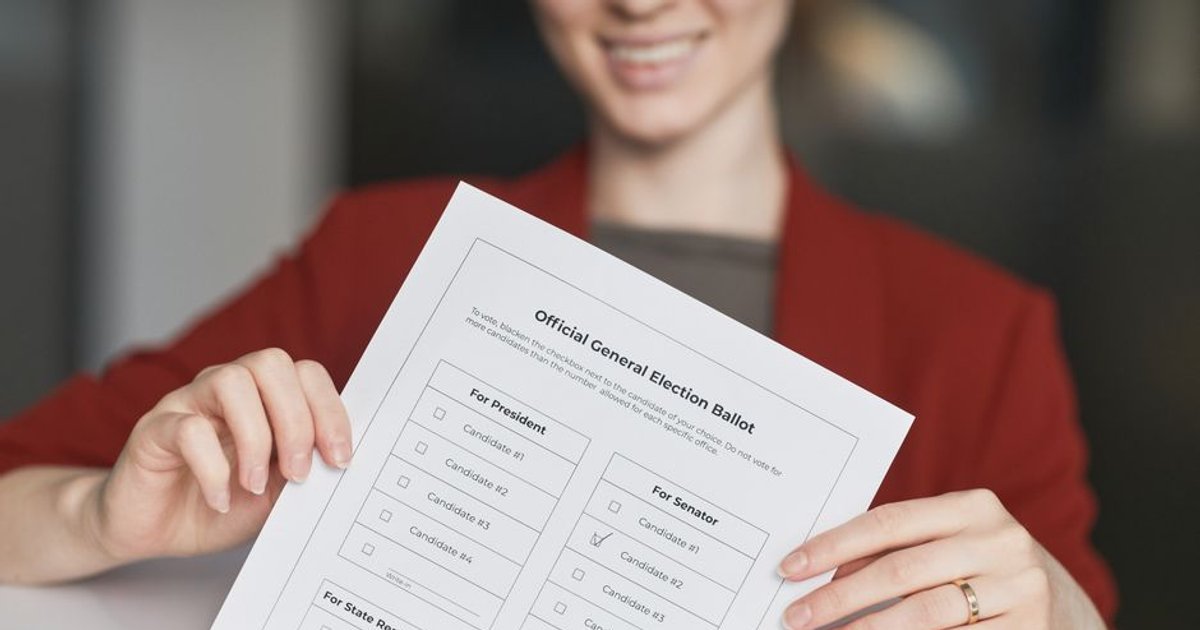
Red-State Senate Shake-Up: How Democrats and Republicans Are Rewriting the Political Playbook
In American politics, few battlegrounds are more fiercely contested than the Senate seats of so-called "red states." Historically Republican strongholds, these states have often been viewed as impenetrable fortresses for Democratic candidates. However, recent developments suggest the tides may be turning. Surprising new polling data, innovative campaign tactics, and a fresh crop of candidates are reshaping the electoral landscape, producing a dynamic environment where traditional assumptions no longer hold. As both parties scramble to adapt, the real-world implications extend beyond mere electoral outcomes, pointing to shifting cultural, economic, and demographic currents across the United States.
Emerging Patterns: Democrats’ Red-State Renaissance
Revamping the Candidate Profile: The past decade has seen Democrats grapple with how to compete in regions where their national platform appears disconnected from local concerns. According to The New York Times, what distinguishes this cycle is a "new breed of candidate", local figures with deep roots, centrist messages, and expertise in issues that resonate with rural and suburban voters. These candidates are not only contesting but leading in polling for crucial seats in Texas, Iowa, and Michigan, as reported by Forbes.
Data-Driven Optimism: Recent midterm polls highlighted by CNN and The Washington Post underscore a trend: Democratic surges are predicted to hit traditionally Republican states hardest. These shifts stem from a combination of demographic change, dissatisfaction with national policies, and strategic hyper-local campaigning.
Strategic Playbook Evolution: The Democratic National Committee has recalibrated its approach, directing resources to states previously written off. Grassroots mobilization, targeted digital outreach, and coalition-building with moderate independents are now central pillars. This evolution is prompting Republicans to reassess their own strategies, intensifying the competition.
Republican Countermeasures: The Trump Blitz and Local Mobilization
Midterm Blitzkrieg: As Democrats gain ground, Republicans, led by former President Donald Trump, are deploying new strategies. Fox News details how Trump’s campaign has orchestrated high-octane rallies, such as the Oklahoma motorcade event where speeds neared 100 mph, signaling urgency and commitment. The campaign’s focus is on energizing its base, using spectacle and direct engagement to reinforce loyalty in key states.
Localizing the Message: Recognizing the threats posed by Democratic advances, the GOP is emphasizing local identity and economic themes. Trump’s public contemplation of moving to Oklahoma, mentioned at a Durant rally covered by KOCO, is emblematic of this trend, a bid to connect directly with voters at a personal level.
Media and Momentum: Republican strategists leverage media appearances and tailored messaging to shape perceptions, aiming to offset Democratic gains by portraying themselves as guardians of traditional values and economic resilience.
Comparative Perspectives: Democrat and Republican Approaches to Red-State Senate Races
Candidate Selection and Positioning: Democrats are increasingly nominating candidates who blend local authenticity with pragmatic policy proposals, distancing themselves from national party controversies when necessary. Republicans, meanwhile, double down on charismatic figures and the symbolism of party unity, as illustrated by Trump's highly publicized rallies.
Engagement Tactics: Democrats invest heavily in grassroots networks, seeking to broaden their coalition by mobilizing under-represented communities and moderate voters. Republicans rely on spectacle-driven events, the power of incumbency, and media blitzes to energize their base.
Data Utilization: Both parties are turning to sophisticated polling and analytics. Democrats use these insights to identify persuadable voters in red regions, while Republicans deploy rapid-response teams to counter Democratic advances and maintain dominance.
Real-World Implications: Shifting Power, Economic Stakes, and Social Change
Senate Balance and Legislative Trajectory: The prospect of Democrats flipping red-state Senate seats threatens to upend the balance of power in Washington. If polling forecasts hold true, pivotal legislation, from healthcare reform to climate action, could move forward with newfound momentum.
Economic Ripple Effects: As reported by Bloomberg on Franklin Templeton’s partnership with ChinaAMC, the interplay between politics and market confidence is increasingly pronounced. Investors watch Senate race outcomes for signals on regulatory stability, trade policy, and regional economic priorities.
Social and Cultural Shifts: Campaigns in red states now engage with issues such as education, rural healthcare, and sustainable agriculture, fostering dialogue that transcends traditional ideological boundaries. This evolution has potential to recalibrate not just politics, but the very fabric of local economies and communities.
Forward-Looking Insights: Innovation and Uncertainty in Midterm Campaigns
Adapting to Unpredictability: Both parties are learning to operate in a climate where voter behavior is less predictable, and old models of campaigning may no longer apply. As polling remains fluid, campaign strategists must pivot rapidly to respond to new data and evolving concerns.
Cross-Functional Synergy: Success in red states increasingly depends on integrating local expertise, data science, and national resources, blurring lines between traditional campaign departments and fostering innovation.
Legal and Judicial Undercurrents: The Lindsay Clancy case, with its denied motions and shifting defense strategies, exemplifies the broader uncertainty and high stakes facing legal and political players alike. Every high-profile event, from courtrooms to campaign rallies, feeds into the narrative shaping public opinion and electoral outcomes.
“Political momentum in red states is no longer just a function of party affiliation. It’s about who can harness local voices, adapt to shifting demographics, and innovate campaign techniques, setting the stage for a new era of electoral unpredictability and opportunity.”
Conclusion: The Strategic Imperative of the Red-State Senate Revolution
As the 2026 midterms approach, the contest for red-state Senate seats has escalated into a laboratory for political innovation. Both Democrats and Republicans are rewriting their playbooks, guided by data, local engagement, and an acute awareness of shifting national sentiment. The stakes are high, not just for the future majority in Congress, but for the broader social and economic trajectory of the United States. Smart, forward-thinking campaigns are poised to reshape expectations, disrupt entrenched power structures, and define a new chapter in American democracy. For political leaders, strategists, and engaged citizens, paying close attention to these developments is not just wise, it is essential. The lessons learned here will reverberate far beyond the ballot box, influencing policy, investment, and community building for years to come.