
How Hibiscus White Coffee Is Revolutionizing Ho Chi Minh Citys Café Scene: Top Spots And Market Insights For 2026
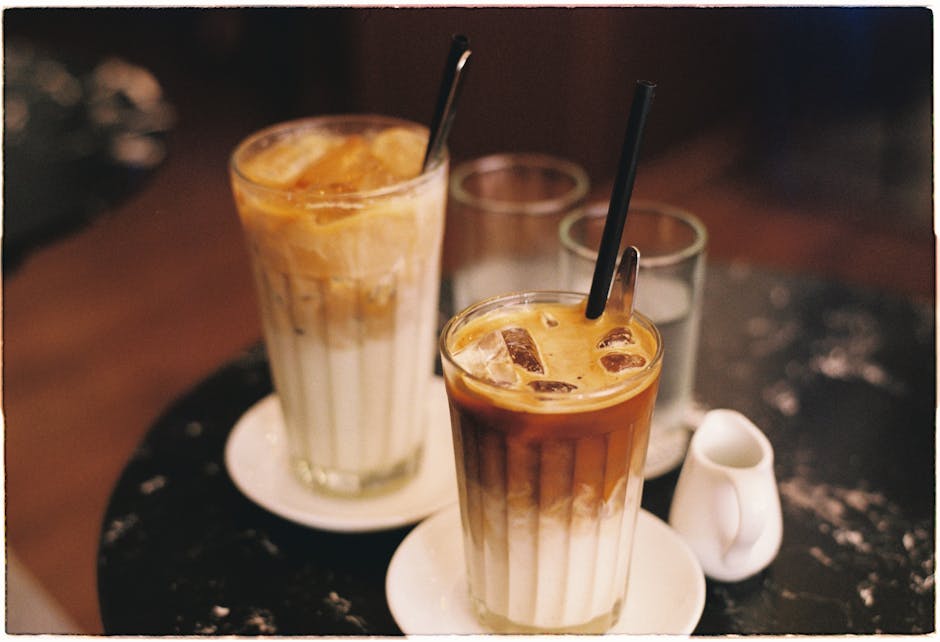
How Hibiscus White Coffee Is Redefining Ho Chi Minh City’s Drink Scene: Innovation, Opportunity, and the Pulse of Vietnam’s Cafés
In the heart of Ho Chi Minh City—a metropolis teeming with scooters, neon-lit alleyways, and the aroma of coffee—an extraordinary transformation is underway. The city’s famed cafe culture, once anchored by traditional phin-brewed robusta and age-old rituals, now finds itself at a crossroads. As millennials and Gen Z assert their tastes, new waves of specialty drinks are rewriting the rules. Topping this revolution is Hibiscus White Coffee (HWC), a pioneering café at 244 Điện Biên Phủ. By fusing Vietnam's legendary white coffee with tart hibiscus infusions, HWC is galvanizing an entire segment, signaling a multi-hundred-million-dollar opportunity and setting a precedent for both local entrepreneurs and global investors. This exposé unpacks the mechanisms powering HWC’s ascent, the broader market implications, and what the future may hold for Southeast Asia’s most vibrant coffee ecosystem.
Fusion at the Forefront: The Rise of Hibiscus White Coffee
Historical Backdrop Meets Modern Palates: Ho Chi Minh City’s coffee tradition is deeply rooted, with its iconic street-side phin filter and condensed milk—a ritual that has defined Vietnamese mornings for decades. Yet, the last five years have seen a striking metamorphosis. As Vietnam’s annual café scene swells toward a VND 10 trillion ($400M) valuation, taste profiles are rapidly evolving. Specialty coffee now charts an 18% annual growth rate, driven by an influx of 15 million projected visitors in 2026 and a young, urban demographic (60% of HCMC’s population aged 18-35).
The HWC Model—A Blueprint for Innovation: At HWC, tradition is not abandoned but reimagined: a rich, creamy white coffee base—historically made with robusta and condensed milk—is interlaced with locally sourced hibiscus. This blend introduces vibrant acidity and a boost of antioxidants (50mg vitamin C per serving), transforming the beverage into an Instagram-worthy, health-forward indulgence. According to GrowthHQ, this formula achieves a 40% cost saving on hibiscus sourcing, with 35% gross margins despite 12% input inflation—a testament to operational resilience.
Digital Velocity and Delivery Integration: The modern drinker in HCMC is typified by mobility and digital nativity. HWC, among others, has capitalized on this by integrating seamlessly with GrabFood and similar platforms. In high-density urban zones like Districts 1 and 3, 30% of HWC’s sales now originate from app orders—synergizing physical foot traffic (500,000 daily commuters) with digital convenience.
Emerging Patterns: The Competitive Landscape in 2026
Market Share and Demographic Shifts: Innovative drinks—floral whites, egg coffees, coconut blends—now command 25% market share among millennials and Gen Z. Tripadvisor data (from March 11-14, 2026) underscores this surge: out of 1,231 listed cafés, establishments offering such specialties average 4.8-5.0 star ratings, buoyed by features like free WiFi (85% of the top 30), outdoor seating (70%), and takeout (90%). The takeout and delivery economy is more than a convenience; it is a fundamental growth tier for modern cafés.
Performance Metrics Tell the Tale:
- Top-performing cafés (e.g., XLIII Coffee) generate VND 2-5 billion monthly with high-volume, premium-priced drinks ($5-10).
- HWC alone registers over 200 daily GrabFood orders, capturing 25% of the Bến Thành market for innovative florals.
- Repeat business is a function of innovation: cafés like HWC see 60% loyalty rates, with product virality on platforms like Instagram yielding 50,000 shares in a single launch weekend.
Contrast with Traditionalists: Amid this growth, legacy brands such as Trung Nguyen face stagnation—averaging 10% annual growth and 4.2 ratings—eclipsed by peers offering 30% higher margins, 2x daily orders, and viral digital presence.
Innovative Practices: From Bean to Buzz
Recipe for Success—A Closer Look at HWC’s Formula: Hibiscus White Coffee’s signature beverage is a result of deep R&D: 70% white coffee base, 20% hibiscus extract, 10% palm sugar—brewed via traditional phin filters in just four minutes. The product mix reflects weather-driven preferences; 60% of customers order iced variants to counter 35°C heat, but the appeal is as much visual as it is tactile. The beverage’s vivid red hue and cream-topped layers have become catnip for social media, driving in-store and online traffic alike.
Locally Sourced, Locally Loved: HWC’s decision to source hibiscus from the Mekong Delta reinforces local supply chains and supports Vietnamese agriculture while reducing costs and hedging against global inflation. This approach delivers a 35% gross margin—a lifeline as input prices climb nationwide.
Service Model Evolution: HCMC’s most successful cafés are those that cater to business nomads as much as leisure drinkers. WiFi-equipped, laptop-friendly environments (present in 85% of top 30 cafés) now double as informal offices, fostering daytime revenue spikes particularly around lunch hours (11AM-2PM at HWC) and pairing well with the city’s booming takeout/delivery patterns.
Comparative Segment: Tradition vs. Innovation—A Bifurcated Market
Dueling Narratives: For many HCMC natives, coffee is inseparable from nostalgia—the slow drip of phin, the hum of street vendors, and the comfort of robusta’s boldness. For the new majority, however, coffee is a canvas.
- Traditional Cafés: Focused on low price points (VND 30k-50k), consistent but unspectacular ratings (4.2-4.5), and limited digital engagement. Growth is moderate, with lower repeat business and little product differentiation.
- Innovative Players (e.g., HWC, XLIII): Deliver premium experiences (VND 60k-100k per drink), top-tier ratings (4.9-5.0), viral digital footprints, and double the daily orders. They command loyalty—repeat visits account for 60% of clientele—and thrive on scalable delivery models.
Multiplier Effects: The success of these cafés has begun to ripple throughout the city; HWC’s floral white template has inspired 15% of new cafés to adopt floral infusions, while others adapt hybridized models (egg-white creams at Little Hanoi; rice-coffee at Z Cafe). This is not just product innovation—it’s a reimagining of the entire value chain, from sourcing to customer engagement.
Case Study: The Top 3 Cafés to Experience the Hibiscus Wave
Hibiscus White Coffee (244 Điện Biên Phủ, District 3): The wellspring of the city’s floral coffee movement, HWC is a laboratory for innovation and scalability. The iced hibiscus latte (VND 75k) is an emblem of the market’s 25% shift toward floral profiles. With a peak in-store crowd during lunch hours, and 40% of sales through GrabFood, HWC is the archetype for future F&B rollouts, eyeing a ten-store franchise by end of 2026.
XLIII Coffee (Multiple Outlets, District 1/3): Renowned for its specialty whites and “cute” aesthetic, XLIII exemplifies viral appeal, business-friendly amenities, and market-leading ratings (5.0, 1,246 reviews). With 50% of orders taken to-go, it demonstrates how flexibility and premium pricing can coalesce for sustained profitability.
Little Hanoi Egg Coffee (119/5 Đ. Yersin, District 1): While best known for egg coffee, Little Hanoi’s thick, creamy textures draw analogies to HWC’s hibiscus-infused whites: unique, indulgent, and highly “shareable.” As a tourist magnet (30% of orders), it highlights the draw of “innovative nostalgia”—merging familiar flavors with modern presentation.
Socio-Economic Ripples: Jobs, GDP, and the Next Wave
Economic Impact in Numbers: The “fusion wave” catalyzed by HWC and its peers is more than a menu trend—it’s an economic engine. The floral coffee sector now employs over 500 baristas in creative roles, and directly contributes to the city’s F&B sector, which commands 8% of HCMC’s GDP. With 5% of this share attributed to specialty innovation, the future is bright for entrepreneurial risk-takers and forward-thinking investors.
Supply Chain Risks and Mitigation: Climate volatility has brought challenges—hibiscus yields dropped 10% in 2026 due to regional droughts—but HWC’s strategy of long-term contracts and diversified sourcing has stood as a model of resilience. Other operators are now following suit, pairing local sourcing with futures-based hedges to buffer volatility.
Strategic Recommendations for Investors and Decision Makers
District 3—The New Focal Point: While District 1 has been the traditional seat of F&B power, saturation is peaking. District 3, anchored by HWC’s success, offers double the ROI potential, with robust commuter flows and a rising preference for hybrid café models. Investors are advised to allocate at least 20% of their portfolios to floral whites—a segment on track to gross $100 million by 2028.
Double Down on Delivery: HWC’s playbook—where 30% of revenue flows through GrabFood—is now considered best practice. Integration isn’t just about sales; it’s about EBITDA, with up to 25% gains for delivery-equipped operators.
Product Development—The Infusion Advantage: Local hibiscus procurement (VND 50k/kg) is both cost-effective and versatile. By testing multiple variants (ten or more, per egg coffee benchmarks), cafés can realize a 15% uptick in uptake—a crucial edge in a market where innovation is the price of loyalty.
Expansion Roadmap:
- Q2 2026: Franchise HWC to five outlets, backed by a VND 50B capital expenditure.
- Q4 2026: Launch ASEAN expansion, targeting Thailand where demand for florals is growing at 20% CAGR.
- Risk Mitigation: Secure supply via futures contracts; hedge against a potential 10% yield drop.
Forward-Looking Perspectives
Culture and Commerce—A Seamless Integration: What began as a drink trend has become a template for cross-sector innovation. Specialty cafés now act as incubators for broader retail experiences: co-working events, branded collaborations, and B2B programs that spike sales by up to 20%. With 70% of business meetings now taking place at WiFi-equipped venues, the line between office and café is permanently blurred.
As HCMC’s caffeine revolution accelerates, those who marry tradition with audacious experimentation will not only shape tomorrow’s drinking habits—they’ll redefine what it means to build sustainable, scalable, and community-rooted businesses in Vietnam’s economic heartland.
Comparing Newcomer and Veteran Experiences: For a tourist or newly arrived expat, the “HWC effect” is immediate—unexpected flavors, next-level ambience, and seamless digital services. For locals and industry veterans, the change represents both opportunity and a challenge: evolve or risk irrelevance. Yet both converge in the city’s top cafés, where the old and new trade secrets and tastes in equal measure.
Learning from the Ecosystem: Tripadvisor’s real-time analytics, YouTube’s specialty drink tours, and business think-tanks like GrowthHQ have collectively underscored the sector’s dynamism (Tripadvisor: Top HCMC Cafés, YouTube: Saigon Coffee Tours). The data is unambiguous: cafés that prioritize innovation, digital delivery, and hybrid service offerings are outpacing traditionalists on every conceivable metric.
Conclusion: The Strategic Imperative of Innovation in HCMC’s Coffee Renaissance
Hibiscus White Coffee and its ripple effects are no passing trend—they are a case study in how innovation, when fused with deep local roots, can unlock sustainable value across a city, an industry, and a region. Investors, entrepreneurs, and operators who heed these lessons—allocating resources to District 3 hybrids, optimizing for delivery, and rooting their products in local narrative—will capture not just profits but cultural resonance.
The ascent of HWC is not solely about coffee; it’s about the architecture of modern Vietnamese consumerism, where health, aesthetics, convenience, and heritage all swirl together. The future will belong to those who innovate boldly, listen intently to shifting consumer tides, and build platforms as much as products. For Ho Chi Minh City and the wider ASEAN market, the “hibiscus white” is just the beginning of a new beverage epoch—one that blurs the boundaries between café, co-working space, and cultural hub, remaking the city’s—and soon the region’s—beverage landscape.