
How Kuala Lumpur Cafés Can Boost Customer Engagement By 30%: Digital Loyalty, E-Wallets, And Gamification Strategies For 2026
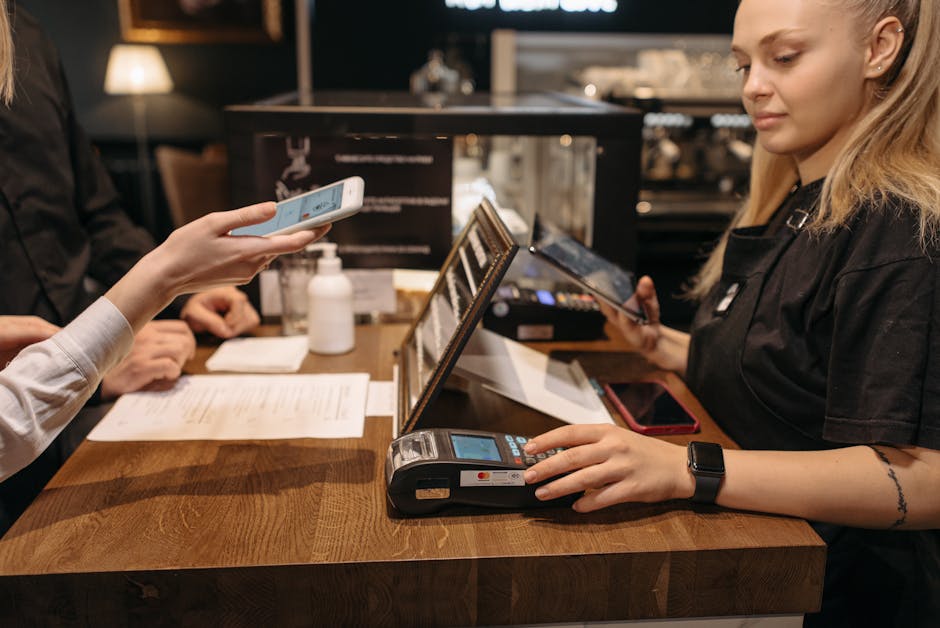
Kuala Lumpur’s Cafés at the Crossroads: How Digital Touchpoints Are Redefining Customer Engagement and Industry Growth
In the heart of Malaysia’s sprawling capital, a quiet but profound revolution is brewing—one measured not just in shots of espresso, but in terabytes of data, digital rewards, and the flicker of QR codes scanned thousands of times each day. Kuala Lumpur’s café scene, long a fusion of urban ambition and communal gathering, is now a showcase for how digital transformation can reshape entire industries. By 2026, what began as simple loyalty stamp cards has evolved into a high-stakes digital race, with more than 5,000 café outlets nationwide vying for the hearts and e-wallets of a tech-savvy generation. This exposé journeys through that evolution, exploring not just technology’s impact, but the business decisions and customer experiences behind Malaysia’s RM10 billion café sector—and why its digital trajectory offers lessons for retail, hospitality, and beyond.
The Digital Awakening of Malaysia’s Café Landscape
Historic Roots and the New Battleground: For decades, cafés in Kuala Lumpur and beyond relied on analog approaches: paper stamp cards, in-person word-of-mouth, and loyalty that depended more on habit than innovation. But by the mid-2020s, a confluence of factors—rising consumer digital comfort, e-wallet adoption, and the unstoppable advance of superapps—pushed the sector into a new era. Nowhere is this transformation more vivid than in Malaysia’s urban centers, where over 90% of digital-active customers pay via Touch ‘n Go, Boost, or other e-wallets, and where loyalty is defined by real-time, cross-channel experiences [source].
Market Metrics and Demographics: Malaysia’s café sector now exceeds RM10 billion in annual revenue, with specialty coffee growing at 8–10% CAGR. The customer base is overwhelmingly young and urban—Gen Z and millennials drive 70% of coffee growth—with digital-native behaviors setting the pace. In this arena, a mobile app isn’t nice-to-have; it’s a matter of survival.
The Data Advantage: The leap to digital isn’t cosmetic. Brands like ZUS Coffee and Tealive, who have embraced app-based loyalty and gamification, are reaping 20–30% increases in customer lifetime value (CLV) and up to 25% higher purchase frequency. These are not small gains—they represent the line between thriving and fading into irrelevance [source].
Emerging Patterns: From Transaction to Transformation
The Evolution of Loyalty: Beyond the Stamp Card: Where loyalty once ended with a free drink after 10 visits, today’s leaders deploy gamified apps that offer VIP tiers, dynamic rewards, and personalized campaigns. ZUS Coffee’s app lets “latte lovers” earn exclusive rewards, and even tripled CLV by making gamification central to their strategy [source].
Omnichannel in Action: Digital experience must be seamless across in-café visits, delivery, and takeaway. A customer might earn points at a physical café, redeem them at a vending machine in the MRT, and receive personalized offers at home—all tracked and synced in real time. The recent OneOne-CoffeeBot partnership is a prime example: commuters now scan codes at vending machines for 60% off beverages, earning digital credits that feed back into café ecosystems.
Superapps and AI—Not Just Buzzwords: Integration with superapps—platforms that blend payments, rewards, and even social features—has become standard. AI-driven analytics aren’t just for chains; even SMEs leverage freemium tools to trigger targeted offers and churn-prevention nudges.
Consumption Rising with Sophistication: Coffee consumption is surging, projected to rise from 13.7 million kg (2025) to 18.2 million kg by 2030. Among urban youth, that means a jump from 110 to 140+ cups per capita per year. Loyalty, fueled by digital, is central to capturing this share.
Case in Point: Learning from the Best: ZUS Coffee, Tealive, and MyBurgerLab are setting the benchmarks. Their use of apps, AI segmentation, and referral programs illustrates how modern engagement can become habitual—and profitable [source].
Tactical Shifts: Actionable Steps for Café Owners
From Assessment to Iteration—A Four-Phase Approach
Café owners in Kuala Lumpur can draw from proven frameworks, starting with a clear-eyed audit and ending with a data-driven culture of continuous improvement:
1. Assess and Select Tools (Weeks 1–4): Review point-of-sale (POS) and customer management systems. For national chains, invest in custom apps with AI segmentation; regional players can lean on e-wallet platforms; SMEs should test QR loyalty systems that integrate with existing POS. The key: seamless data flow [source].
2. Build Core Digital Touchpoints (Weeks 5–8): Integrate e-wallets (the de facto payment method), launch basic loyalty (points, instant rewards, multi-language support), and pilot “phygital” (physical-digital) hybrids such as vending machines at high-traffic touchpoints. These efforts drive immediate spikes in engagement.
3. Gamify and Optimize (Months 3–6): Deploy VIP tiers, badges, and hyper-targeted offers via AI. Monitor metrics like enrollment rate (30%+), repeat visits (+20%), and CLV uplift (15–30%). Use feedback loops to squash friction.
4. Scale and Iterate (Month 7+): Form partnerships with e-wallets, delivery platforms, and power brands (as OneOne did) to create network effects. Continue mining data to launch next-gen experiences, such as app-exclusive home-brew offers that boost per-capita intake.
Kuala Lumpur’s Unique Edge: Urban density, tech-savvy consumers, and a thriving university/commuter ecosystem (e.g., MRT-linked vending) make the capital a proving ground for digital playbooks. Regional and secondary markets require a more gradual approach, with digital education and localized incentives.
Real-World Implications: Winners, Losers, and the Stakes
The Rewards of Going Digital: For cafés that invest, the payoff is significant. Digital loyalty programs aren’t just a sideshow—they deliver 20–30% higher customer retention and CLV across the board. Acquisition costs fall as data-driven retention rises. Brand stickiness grows: customers who buy in-store with an app are 80% more likely to make linked home purchases [source].
The Cost of Standing Still: Analog loyalty programs—manual stamps, isolated customer lists, physical-only offers—are not just “old-fashioned.” Data shows they are rapidly becoming obsolete. In the face of superapp integration and AI-powered personalization, non-digital brands risk extinction or absorption by more agile competitors.
Case Study: CoffeeBot’s MRT Disruption: The December 2025 CoffeeBot-OneOne collaboration did more than offer 60% off drinks; it transformed mundane vending machines into digital loyalty portals, reaching tens of thousands of commuters and students daily. This physical-to-digital leap offers a model for how non-traditional locations (campuses, transit hubs) can become growth engines for café brands [source].
Comparative Insights: Urban vs. Regional Markets: While Kuala Lumpur leads in sophistication—think AI analytics, multi-language apps, and instant QR redemptions—regional/secondary markets lag. Here, success comes from progressive rollouts: QR stamp cards first, local e-wallet tie-ups, and hands-on customer education to foster comfort and adoption.
SMEs vs. Chain Dynamics: National brands wield resources to build bespoke apps and AI-powered segmentations, boosting CLV by 20–30% in just half a year. SMEs, meanwhile, can achieve rapid results with freemium QR solutions, as long as integrations are smooth and customer data is leveraged intelligently.
Innovation in Practice: Stories of Transformation
ZUS Coffee: Gamification as a Growth Engine: By embracing gamified loyalty tiers and AI-driven campaigns, ZUS Coffee tripled their CLV, setting a benchmark for the industry [source].
Tealive & MyBurgerLab: Personalization at Scale: These brands use app data to run referral, birthday, and hyper-segmented product campaigns, moving beyond discounts to offer curated experiences. The result: higher retention and advocacy.
OneOne x CoffeeBot: Physical-Digital Synergy: The strategic MRT and campus vending collaboration not only increased visibility but also funneled thousands of new users into digital loyalty pipelines—an example of thinking outside the (retail) box [source].
Looking Forward: The Café of 2030 and Beyond
Future-Proofing with Ecosystem Thinking: By the end of the decade, Malaysia’s café sector will be tethered not just to digital payments and loyalty, but to an entire household ecosystem. Expect apps to forge links with e-grocery, IoT-enabled brewing, and smart home delivery, as youth-driven coffee intake rises to 30+ extra cups per capita per year. Digital maturity will not only determine which brands survive, but which become household fixtures [source].
"The real competition isn’t just for the next cup of coffee—it’s for a permanent place in the customer’s digital life, turning every sip, scan, and share into ongoing value for café and consumer alike."
Critical Risks and Keys to Success: Integration remains the Achilles’ heel; fragmented customer data and clunky apps cost cafés dearly. Survival and success hinge on relentless optimization, partnership, and a readiness to pivot as customer expectations and technological standards evolve.
Comparative Perspectives: Digital Natives vs. Traditionalists
For Digital Natives: App-based loyalty, instant QR rewards, and e-wallet payments are non-negotiable. Their expectations for seamless, entertaining, and personalized experiences are met, or they move on.
For Traditionalists: The shift feels abrupt, but opportunity abounds for those who embrace progressive, well-integrated digital strategies. Freemium tools with simple interfaces, gradual customer onboarding, and partnerships with local payment providers pave the way.
What Newcomers Need to Know: Jumping straight to advanced features can backfire in less mature regions or among tech-shy customers. The key is to match strategy to market readiness—start simple, iterate fast, and make digital feel like an obvious, valuable extension of the in-café experience.
Conclusion: Strategic Imperatives for Café Owners—and Beyond
The digital revolution sweeping Kuala Lumpur’s cafés is more than a local trend—it’s a living case study in how consumer-facing industries must adapt, innovate, and harness technology to thrive. The winners in this RM10B+ market aren’t just those who adopt digital tools—they are those who use them to foster lasting relationships, interpret data into action, and build flexible platforms that evolve with their customers.
Failure to act is not just a missed opportunity; it’s an existential risk. As superapps, AI analytics, and omnichannel loyalty become ingrained in daily life, cafés that cling to outdated methods will lose ground—first to agile rivals, then to irrelevance.
The future belongs to brands bold enough to see digital not as a ticket to short-term profit, but as the foundation for long-term community, retention, and relevance. In the steaming cups of Kuala Lumpur’s next generation, the aroma is unmistakable—not just of coffee, but of a new, data-driven era.
For café owners, the wake-up call is clear: Harness digital touchpoints now, or risk being left out of Malaysia’s next great growth story.