
How Latin American Smallholder Coffee Farmers Can Partner With Starbucks: Step-by-Step Guide To C.A.F.E. Practices, Premiums, And Sustainable Growth
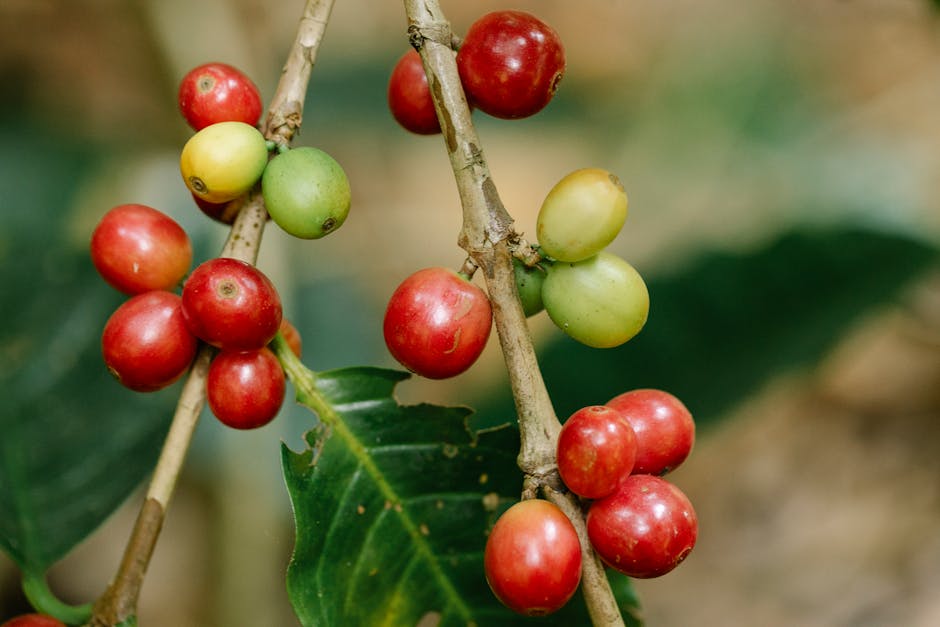
Transforming Latin American Coffee Farming: Starbucks’ Ethical Sourcing Revolution and Smallholder Empowerment
In the shadow of rising climate challenges, evolving global markets, and the relentless search for authenticity, Latin American smallholder farmers stand at a historic inflection point. The landscape of coffee production—long dominated by cycles of boom and bust, environmental threats, and opaque supply chains—is undergoing a seismic shift. At the heart of this transformation lies Starbucks, a company once seen as a simple purveyor of luxury brewed beverages, now a global force harnessing its scale and influence for ethical sourcing across Brazil, Colombia, Mexico, Guatemala, Costa Rica, and beyond. The journey from vulnerable small plot farms to resilient, traceable supply networks is not just about compliance; it is about rewriting the rules of engagement, equity, and environmental stewardship for an entire region.
This exposé unpacks the mechanics, challenges, and far-reaching implications of Starbucks’ Coffee and Farmer Equity (C.A.F.E.) Practices. We follow the stories, the data, and the decision-makers shaping the future of sustainable coffee—and the livelihoods tethered to every bean.
Unveiling the Coffee Supply Chain: Complexity, Volatility, and the Call for Change
Historic Patterns: For centuries, Latin American coffee has been synonymous with quality—bright, tangy Colombian arabica; earthy, chocolate-rich Brazilian beans; and the nuanced flavors of Guatemala’s volcanic soils. Yet behind these global favorites lie fractured supply chains. Smallholder farmers, who comprise tens of thousands of livelihoods, have borne the weight of price volatility, climate shocks, and the near-invisible hand of intermediaries skimming profits. The historical lack of traceability and certification has perpetuated cycles of poverty, child labor, and environmental degradation.
Modern Market Pressures: With the surge in ethical consumerism, the demand for traceable and responsibly sourced coffee has mounted. Starbucks, facing board-level imperatives to hit 100% ethically sourced beans by 2025, has shifted from transactional buying to transformational partnerships, leveraging its massive purchasing power across over 440,000 farms in 26 origin countries. This momentum marks a new era—one where climate risks, regulatory expectations, and consumer consciousness converge, driving the imperative for transparent, resilient coffee production.
Starbucks’ C.A.F.E. Practices: The Backbone of Ethical Sourcing
A Holistic Framework: The C.A.F.E. Practices program is more than a certification—it is a comprehensive blueprint for economic, social, and environmental responsibility. Farms are assessed through a rigorous, third-party verification process encompassing over 200 indicators: soil conservation, water management, fair wages, child labor prevention, biodiversity plans, and cup scores above 80. This is not a simple checkbox exercise; it is a continuous improvement journey, supported by Starbucks’ internal teams and partners like SCS Global Services.
Economic Impact: Verified beans unlock premium pricing, direct market access, and technical support. Economic accountability means farmers must provide transparent documentation of payments, labor conditions, and environmental safeguards—yielding premium uplifts of 10-25% on verified lots, and even higher where intermediaries are eliminated. These premiums are not mere bonuses—they are lifelines in economies racked by volatility and climate threat.
Environmental and Social Leadership: Starbucks’ ambition is symbiotic: resilient yields for the company and sustainable futures for farmers. Collaborations with Conservation International drive biodiversity protection and regenerative practices, while investments in climate-resilient and rust-fighting varieties address existential threats like coffee leaf rust, which has decimated millions of trees across the region.
The Application Pathway: From Readiness to Verification and Partnership
Stepwise Entry Mechanism: For smallholder farmers, the pathway to becoming a Starbucks-supplying partner hinges on several tactical shifts:
- Readiness Assessment: Using free self-assessment tools on the Starbucks supplier portal, farmers evaluate alignment with C.A.F.E. criteria. In Brazil, this means scrutiny of deforestation risks and adoption of agroforestry protocols; in Mexico and Central America, the focus is on water management and regenerative agriculture.
- Cooperative Participation: The single most effective strategy, especially in Brazil and Guatemala, is joining a cooperative. Co-ops such as Cooxupé offer technology deployment, subsidized seedlings, and group verification, slashing per-farm audit costs by up to 50%.
- Third-Party Verification: Farmers submit for third-party audits, typically through SCS Global Services or local verifiers. Successful verification—covering traceability, fair labor, and environmental standards—qualifies their coffee for Starbucks procurement.
- Contracting and Market Access: Verified lots are submitted through Starbucks’ sourcing network. The organization’s investments in infrastructure, direct marketing, and strategic alliances (especially in Colombia and Mexico) eliminate middlemen and provide direct pay, boosting incomes and resilience.
Country-Specific Dynamics: Brazil, Colombia, Mexico, and Central America
Brazil: Scaling Traceability and Combating Deforestation
Scale and Complexity: As Starbucks’ largest Latin market, Brazil supplies vast quantities of arabica, necessitating large-scale traceability and resilient cultivation. Logistics remain a barrier—Starbucks targets co-op scale entry, leveraging major partners to reach tens of thousands of smallholders. The emphasis is on deforestation-free verification, satellite tracking, and agroforestry, with group certifications unlocking premiums of 10-20%.
Urban-Rural Linkages: The expansion of LEED-certified Starbucks stores connects urban consumption habits with rural sustainability, funding infrastructure and climate adaptation in farming regions and underscoring the ecosystem interdependence.
Colombia: Certification, Equity, and Rust Resistance
Coffee Rust Crisis: Colombia’s arabica faces unique threats from coffee leaf rust. Starbucks has responded with aggressive knowledge-sharing, subsidized rust-resistant seedlings, and direct marketing initiatives, bypassing costly intermediaries for low-barrier entry. These programs—backed by Rainforest Alliance and Fairtrade certifications—offer premium uplifts of 15-25% and unlock youth training and gender equity grants.
Removing Barriers: Direct alliances and NGO partnerships streamline verification and reduce administrative load, critical in a landscape where certification burdens can deter entry. The focus on youth and family resilience is reshaping the future of farming communities.
Mexico and Central America: Water Management and Regenerative Models
Resource Scarcity: In Chiapas, Veracruz, and Central America, water stress and urbanization pose acute risks. Starbucks’ regional strategy emphasizes climate-adaptive training—rainwater harvesting systems, regenerative farming, and waste recycling link farm productivity with store sustainability. These innovations, supported by renewable energy contracts and technical aid, help thousands boost yields and earn traceability bonuses of 10-15%.
Group Verification and Scaling: Smallholders in Guatemala and Costa Rica leverage group certification models, benefiting from group premiums and access to cutting-edge rust research, ably supported by local NGOs and Starbucks operators like Alsea.
Comparative Perspectives: Efficiency, Equity, and the Role of Cooperatives
Traditional vs. Modern Models: For seasoned farmers, the move from traditional spot selling to C.A.F.E. verified direct sales is both daunting and transformative. The legacy system relied on intermediaries, opaque pricing, and scant investment in resilience. In contrast, modern models—anchored by cooperatives, direct training, and transparent contracts—cut administrative costs by 40%, double resilience against climate shocks, and stabilize income volatility.
Entry Barriers and Solutions: While the cost and complexity of verification remain barriers—particularly acute in Brazil’s vast landscape—cooperative entry strategies reduce these hurdles. In Colombia and Guatemala, direct program subsidies further decrease entry costs, making ethical sourcing accessible to even the smallest farms. The solution lies not just in technology, but in community: group verification
Real-World Implications: Livelihoods, Sustainability, and Economic Transformation
Stabilizing Income: For smallholders, premium payments linked to C.A.F.E. Practices stabilize incomes amidst volatile markets, with direct models boosting earnings 20-30%. This economic uplift is transformative, enabling reinvestment in technology, education, and community health.
Climate Resilience: Starbucks’ leadership in climate adaptation—via rust-resistant crops, rainwater systems, and sustainable infrastructure—has saved millions in losses and prepared farms for the challenges ahead. In regions devastated by rust and drought, access to technical support and subsidized seedlings is often the difference between survival and collapse.
Social and Equity Gains: The drive for gender equity, youth engagement, and family resilience is unlocking new opportunities for generational stability and upward mobility. Starbucks’ programs, especially in Colombia, are setting new standards for inclusive agricultural development.
Challenges and Mitigation Strategies: Navigating Barriers to Entry
Audit and Verification Costs: Third-party audits, especially for small plot farmers, can be prohibitively expensive and administratively complex. Starbucks mitigates these barriers through cooperative models, which reduce per-farm costs by half and streamline paperwork via digital traceability apps.
Coverage and KPI Gaps: Uneven implementation and reporting threaten the integrity of the 2025 100% responsibly sourced goal. Starbucks addresses this by leveraging dashboards and monitoring tools, with regular updates and localized training to align metrics.
Climate and Regulatory Threats: The specter of coffee leaf rust and regulatory mandates for traceability demand agile responses. Starbucks’ research initiatives yield high-yield, resistant varieties and digital compliance tools, while partnerships with conservation organizations ensure rapid adaptation and ecological stewardship.
Recommendations: For maximum impact, decision-makers are urged to prioritize cooperative entry (70% success rate), invest in traceability technology (cutting admin by 40%), and monitor KPIs through regular Starbucks progress reports. Strategic allocation—such as dedicating 40% of budgets to high-risk areas like Brazil—ensures resilience and ROI.
“Latin America’s coffee revolution will be won not by single-farm compliance, but through collective resilience, transparent technology, and ethical partnerships that transform vulnerabilities into sustainable, scalable opportunity.”
Forward-Thinking Insights: Scaling Impact, Driving Innovation, and Shaping the Future
Data-Driven Supply Chains: The evolution of Starbucks’ sourcing strategies is rooted in data—440,000 farms tracked across 26 countries, performance heatmaps driving resource allocation, and digital dashboards monitoring progress toward the 2025 ethical sourcing milestone. These metrics enable rapid adaptation and reinforce the feedback loop between store expansions, urban demand, and rural supply chain optimization.
ROI and Strategic Value: Premiums of 10-25% translate to tangible ROI for smallholders, while climate training boosts yields by 15-20%. Supply chain optimizations, rooted in traceability and ethical narratives, are reducing emissions and carbon costs, aligning with Starbucks’ goal to halve its footprint by 2030.
Market Edge: The narrative of ethical sourcing—traceable beans, gender equity, climate resilience—drives consumer loyalty and urban expansion, amplifying demand for certified coffee. Starbucks’ brand is increasingly synonymous with sustainability, positioning it at the forefront of responsible global retail.
Strategic Levers for Growth: Businesses entering the Latin American supply chain ecosystem must leverage risk allocation (heatmaps, targeted investments), deepen partnership depth (direct co-op ties), and amplify the ethical narrative to capture market share and consolidate long-term resilience.
Conclusion: The Next Chapter in Ethical Coffee—Urgency, Opportunity, and Strategic Imperatives
The future of Latin American coffee lies in the balance: between vulnerability and empowerment, tradition and innovation, risk and reward. Starbucks’ C.A.F.E. Practices, catalyzed by a web of local alliances, technical training, investment, and traceability, are transforming the socioeconomic landscape for smallholder farmers. This is more than an exercise in compliance—it is a blueprint for sustainable, ethical prosperity.
For decision-makers, the strategic importance is self-evident: investing in transparent, resilient supply chains is not only a moral imperative, but a competitive edge in a market defined by rapid change and rising consumer consciousness. As Starbucks drives toward 100% ethical sourcing by 2025, Latin America is poised to lead—not follow—in the global coffee revolution.
The question is not whether smallholder farmers can adapt, but whether stakeholders—businesses, governments, NGOs, consumers—will seize the moment and scale the systems that turn vulnerability into sustainable value. The next cup of coffee we pour is not just a product; it is a testament to the futures we build, together.