
How Malaysian Cafés In Kuala Lumpur, Penang, Selangor & Johor Bahru Use Data Analytics To Drive Personalized Loyalty And 30% CLV Growth (2026 Insights & Strategies)
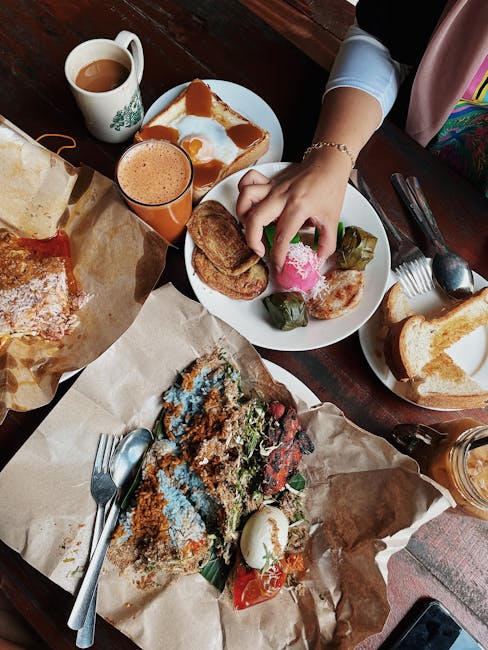
Cracking the Code: How Malaysian Cafés Use Data Analytics to Unlock Personalized Customer Loyalty
In the glittering heart of urban Malaysia—Kuala Lumpur, Penang, Johor Bahru, and Selangor—a quiet revolution is brewing. The nation's café scene, once characterized by bustling counters, aromatic blends, and stamp cards, is now defined by cutting-edge data analytics, digital loyalty, and AI-powered personalization. As the industry surges past RM10 billion in annual revenue, with over 5,000 outlets vying for attention, the future of café survival in 2026 hinges not merely on flavour or location but on a café’s ability to leverage data to forge lasting relationships. Decision makers now face a defining moment: embrace analytics or risk irrelevance in an era where every transaction is an opportunity for deeply personalized engagement, fundamentally reshaping the landscape of customer loyalty.
The Historic Shift: From Stamp Cards to Data Ecosystems
Traditional Loyalty, Reinvented: For decades, cafés in Malaysia leaned on stamp cards and manual rewards—a simple but blunt instrument for fostering repeat visits. Yet, as digital penetration soared and mobile payments took center stage, these analog systems buckled under the weight of rising customer expectations and fierce competition. Today, the new standard is a digital loyalty ecosystem, powered by integrated POS systems, e-wallets, and proprietary customer graphs.
Quantifiable Impact: The shift is not cosmetic. Data analytics is now central to hyper-personalization, driving 20-30% increases in customer lifetime value (CLV), 25% higher purchase frequency, and an average ticket size uplift of 10-15% for engaged members (GrowthHQ Research, 2026). Predictive churn modeling, boasting up to 85% accuracy, segments customers and triggers targeted win-back offers—turning transactional visits into habitual engagements.
Data Analytics as Strategic Imperative: The Battle for Survival in 2026
The Café Arms Race: Malaysia's café sector is entering a zero-sum game. With annual revenue eclipsing RM10 billion and a footprint of over 5,000 outlets, the pressure to differentiate is immense. Digital loyalty, powered by data, has become not just a tactic but a core business strategy. Seamless integrations of point-of-sale, e-wallets, and AI analytics enable cafés to build proprietary “customer graphs”—defensible assets even more valuable than premium real estate or menu innovation.
Key Metrics Driving Adoption: Digital-first cafés consistently outperform analog competitors, boasting 20-30% CLV uplift, 40% trial-to-active conversion via gamification, and 85% churn prediction accuracy. Repeat business is up 40%, while average ticket size climbs 10-15%.
Regional Deep Dive: Analytics in Malaysia’s Urban Centers
Kuala Lumpur & Selangor: Epicenter of AI-Driven Personalization
Advanced Implementations: These interconnected urban hubs host Malaysia’s most sophisticated loyalty programs. Fully-featured apps fuse POS and e-wallet data, creating deep customer profiles. Behavioral segmentation is refined—commuters versus weekend treat-seekers—and time-sensitive push notifications anticipate needs, such as suggesting a drink before points expire.
Churn Prevention & Upsell Precision: Predictive models flag at-risk customers with 85% accuracy, triggering personalized win-back offers that achieve 40% reactivation rates. High-margin upselling (e.g., lattes to regulars) lifts ticket sizes by 15%.
E-wallet Dominance: Urban cafés report over 90% integration with e-wallets, making digital payments standard practice and facilitating seamless loyalty enrollment.
Penang: Hybrid Models Infused With Local Flavor
Blending Digital and Heritage: Penang's cafés combine QR-code check-ins and hybrid apps, leveraging cultural anchors for personalized rewards such as Nyonya-themed perks. Time-of-day segmentation yields 20% CLV growth, with tourists and residents gamified differently.
Gamification Edge: Gamified streaks convert 40% of trial users to actives, and hybrid models track dine-in versus takeaway (a 60/40 split), optimizing promotions accordingly.
Data Moats: POS-integrated graphs enable precise tracking and campaign optimization, giving chains a defensible advantage.
Johor Bahru: Harnessing Commuter & Cross-Border Analytics
Location-Based Segmentation: Johor Bahru’s cafés use app and QR check-ins to segment cross-border commuters, especially Singapore visitors. This yields 10-15% ticket uplifts through personalized reactivation campaigns.
Social Media Integration: Loyalty apps connect to social platforms, boosting engagement by 30% among younger segments.
Comparative Perspectives: Legacy vs. Loyalty 2.0
Legacy Viewers: Traditionalists may argue for the simplicity and familiarity of physical loyalty cards, seeing digital complexity as a barrier for older customers or those less digitally inclined. They cite community feel, direct interaction, and “human touch”—intangibles difficult to quantify.
Data-Driven Adopters: By contrast, digital-first operators see data analytics as democratizing loyalty, allowing for scalable, nuanced engagement across demographic and behavioral spectra. Rather than diminishing the “human touch,” personalization enhances relevance, making every customer feel uniquely valued. ZUS Coffee, for example, demonstrates how digital rewards, real-time segmentation, and gamification can triple CLV and drive 40% repeat business (GrowthHQ 2025 Report).
Technical Foundations: Building Café Data Engines
Unified Data Platforms: Successful cafés ingest every customer interaction—transaction, redemption, spend, visit—into centralized platforms. AI segments customers (e.g., “latte lovers”) and predicts churn, activating hyper-personalized campaigns with 85% accuracy. Real-time dashboards monitor ROI, track redemption rates, and optimize campaign budgets.
Core Metrics for Decision Makers: CLV is calculated as (Avg Purchase Value × Frequency × Lifespan) – Acquisition Cost, with digital programs boosting all variables by 20-30%. Churn rates are flagged at 85% accuracy, and trial conversion targets 40%.
Real-World Storytelling: ZUS Coffee and the Data Renaissance
The ZUS Coffee Blueprint: At the vanguard, ZUS Coffee’s app unifies rewards, payments, pre-orders, and redemptions, feeding every transaction into a dynamic database. Behavioral segmentation tailors campaigns: birthday perks for latte lovers, gamified progress bars and spin-to-win promotions yield 40% first-week conversions.
Outcome: Notably, ZUS tripled CLV and drove 40% repeat business via real-time tracking, positioning itself as the benchmark for sector innovation (GrowthHQ 2024 Analysis).
Independent Operators: Urban independents in KL use freemium QR tools to achieve a 15% baseline uplift, Penang chains partner with delivery platforms for ecosystem effects, while JB cafés integrate social media analytics to boost engagement among younger demographics.
Actionable Strategic Framework: Four-Phase Playbook for Decision Makers
Phase 1—Diagnose: Audit POS data to profile the top performing cohort—establishing a CLV baseline and identifying 15% uplift potential.
Phase 2—Tech Stack Selection: National chains invest in custom apps (like ZUS), regional chains use integrated platforms such as Eats365, while independents deploy freemium QR tools. Seamless POS integration is non-negotiable.
Phase 3—Rollout & Iterate: Launch to high-value segments, monitor conversion via A/B testing, and iterate campaigns such as gamified nudges or segmented rush-hour offers.
Phase 4—Scale & Integrate: Partner with e-wallets and delivery platforms to enrich data and expand reach. With the right execution, cafés can achieve 40% repeat business by year-end.
Challenges and Mitigation: Navigating the 2026 Landscape
Data Fragmentation: Overcoming siloed systems is essential; leaders adopt unified POS-loyalty sync (90% of advanced operators).
Adoption Friction: Quick, gamified onboarding and instant rewards drive 40% trial conversion rates.
Competitive Pressure: Proprietary customer graphs and AI-powered personalization provide essential moats.
Regional Nuance: Localization is key—Penang’s heritage campaigns differ from KL’s AI segmentation.
Compliance: Data partnerships expand reach, but strict adherence to PDPA guarantees risk mitigation.
Forward-Thinking Insights: The Next Frontier
AI Recommendations & Predictive Ordering: By 2027, AI-driven recommendations will suggest drinks for pre-order, with anticipated 30% uptake. Ecosystem partnerships (e-wallets, retail platforms) will expand café reach by 50%, with digital adoption rising sector-wide.
Urban Leadership, Regional Expansion: While urban centers blaze the trail, secondary cities are set to follow, leveraging freemium digital tools and localized campaigns.
“Data analytics isn’t just a tool—it’s the core capability, transforming anonymous foot traffic into valuable, trackable assets that fuel sustainable growth and resilient customer loyalty.”
Comparative Segment: Embracing Disruption vs. Cautious Adaptation
New Viewers: For newcomers—independents and regional chains—the transition to advanced analytics may appear daunting. Investment risk, staff adaptation, and customer education all present formidable hurdles. Yet, as case studies show, even entry-level QR solutions deliver measurable uplifts, allowing smaller players to compete on relevance, not just price.
Industry Veterans: Larger chains, already invested in custom apps and AI stacks, are extending their moat with cross-location graphs and integrated partnerships. For them, the focus is now on optimizing engagement KPIs and reinforcing the loyalty feedback loop, driving 25% frequency gains across outlets.
Recommendations for Business Decision Makers
Immediate Audit: Calculate your CLV baseline and target the top 20% of customers for digital loyalty pilots.
Invest in POS-Integrated Stack: Select tools offering seamless e-wallet support, aiming for minimum 90% coverage.
Personalize Aggressively: Launch segmented campaigns, harnessing AI-powered churn prediction (85% accuracy) and targeting high-margin upsell opportunities.
Measure Ruthlessly: Track KPIs—CLV uplift, trial conversion, ticket size, and repeat business—against benchmarks.
Scale Regionally: Tailor approaches: advanced AI in KL/Selangor, hybrid models in Penang/JB.
Partner Up: Cultivate partnerships with e-wallets, delivery, and retail platforms to enrich data graphs and extend ecosystem reach.
Risk Mitigation: Ensure full compliance with PDPA and start with pilots to validate promised gains.
Conclusion: Why Analytics is the Core Capability for Malaysian Café Success
The story of Malaysia’s café industry in 2026-2027 is not merely one of digital disruption—it’s a testament to the power of data-driven personalization. The numbers are unambiguous: RM10 billion in revenue, lifespans tripled, repeat business up 40%, and ticket sizes rising for those willing to invest in analytics. For decision makers, the strategic imperative is clear: to embrace data not as a supporting actor, but as the protagonist shaping customer loyalty, operational resilience, and sector leadership.
As urban centers blaze ahead, regional cafés are closing the gap using creative hybrid solutions and ecosystem partnerships. The future belongs to those who can transform anonymous traffic into identified, trackable assets, delivering relevance at scale and forging loyalty that outlasts fleeting promotions. In the fiercely contested café landscape of Malaysia, analytics is more than a competitive edge—it is the foundation on which sustainable growth and enduring customer connection are built.