
How Starbucks Drives 6x ROI In Asia: Inside The Creator-Powered Strategy Transforming Retail In China, India, Singapore, Hong Kong, South Korea, Japan, And Beyond
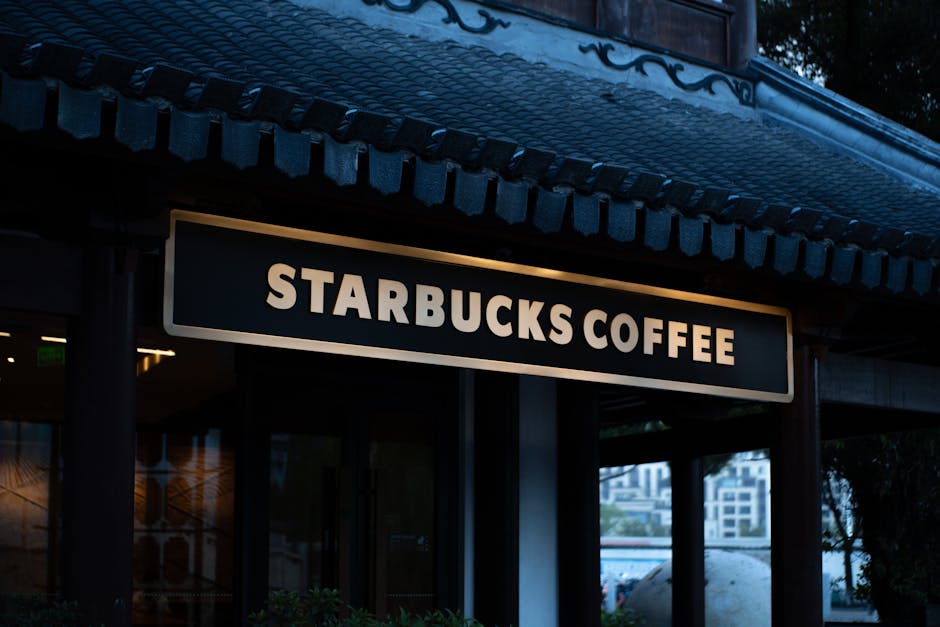
Starbucks in Asia: How Local Creators Are Revolutionizing Retail, Brand, and Growth
Asia’s rising consumer economies have long been prime battlegrounds for Western brands seeking transformative expansion. Yet, Starbucks—a global coffee juggernaut—has taken an audacious, innovation-first approach: leveraging digital networks and local creators to not only drive sales and loyalty, but redefine premium perception across China, India, Southeast Asia, and beyond. By collaborating with micro-influencers, artisans, and even its own employees, Starbucks has established a repeatable playbook that fuses digital culture with physical store experience—delivering quantifiable commercial returns. This exposé unpacks the underlying strategy, real-world impacts, and the future implications for brands navigating Asia’s dynamic, creator-powered landscape.
Asia’s Retail Renaissance: Starbucks as a Testbed for Creator-Powered Innovation
The Market Transformation: Asia-Pacific has become Starbucks’ fastest-growing region—a sandbox for experimental retail and digital engagement. Unlike legacy models that chase broad celebrity endorsement or one-size-fits-all advertising, Starbucks treats local creator ecosystems as core levers for conversion, premium perception, and store economics.
Quantified Impact: Data from 2026 reveals that local creator campaigns deliver 8–12% engagement rates, convert 15% of influencer traffic into app sign-ups, and generate 5–6x ROI. Physical, artisan-driven stores, meanwhile, achieve 20–30% higher dwell time, ~15% sales uplift, and up to 2x revenue versus traditional formats. Starbucks sustains 30–50% premium pricing above local café averages—a feat made possible through multidimensional creator strategy.
Digital-Physical Convergence: By embedding local artisans in store design, launching creator programs on platforms like TikTok and Xiaohongshu, and formalizing employee creator roles, Starbucks has evolved beyond typical retail. This is a model any brand can replicate, leveraging creators not only for awareness, but as performance channels tracked by rigorous KPIs.
Innovation Pillars: How Starbucks Is Rewriting Brand Playbooks with Creators
Local Influencer Networks: Conversion, Not Just Awareness
Performance Media: Starbucks in China, India, and Southeast Asia prioritizes local micro-influencers and key opinion leaders (KOLs) over global celebrities, using region-specific platforms—Douyin, Xiaohongshu, Weibo in China; Instagram and Influencer.in in India; TikTok and Instagram in Southeast Asia. The campaigns are measured as performance media, with 5–6x ROI and CPA as low as US$2–5, compared to US$10 via traditional advertising.
App and Loyalty Integration: Crucially, 15% of influencer traffic converts to app sign-ups, integrating creators directly into Starbucks’ digital funnel and loyalty ecosystem. This isn’t soft marketing—it's direct, measurable acquisition.
Artisan-Led Store Concepts: Physical Meets Cultural Capital
Experiential Differentiation: Retail innovation is exemplified by stores across South Korea, Taiwan, Japan, Bali, and Singapore, each featuring multiple local artisan collaborations. These stores demonstrate that local art is a quantifiable lever: 20–30% higher dwell time, ~15% sales uplift, and up to 2x revenue.
Social Amplification: Stores with custom artwork drive a 40% increase in social media mentions, fueling organic reach among hyperconnected Asian consumers. Starbucks tracks these metrics via real-time dashboards, combining POS and digital analytics for end-to-end measurement.
TikTok Custom Creator Network and Employee Creators
Pilot Brand Status: Starbucks became the first brand to launch TikTok’s Custom Creator Network, scaling its “Green Apron Creators” program, which empowers baristas as paid digital content creators. This model crafts authenticity at scale, blending real customer experiences with structured digital campaigns—especially relevant given TikTok’s explosive growth in Asia.
Structured Content Engine: Employees are given creative briefs, compensated through ad revenue sharing, and tracked via performance dashboards. This not only disrupts traditional influencer models, but institutionalizes content creation as a core business function.
Global Coffee Creator Program: Institutionalizing Creator Roles
Creator-in-Residence Model: Starbucks’ Global Coffee Creator initiative offers full-time, paid roles to both internal and external candidates—traveling across 10–15 Starbucks global locations to produce social-first content. Open to Asia-based applicants, this program signals a shift: creators are now marketing staff, not peripheral vendors.
Implications for Asia: Brands can launch regional creator-in-residence programs, ensuring sustained, deeply localized storytelling and engagement.
Country Deep-Dives: Local Creators and Artisan Strategy in Action
China: Culture, Collectibles, and Digital Labs
Jay Chou Partnership: In 2026, Starbucks unveiled a summer campaign with Mandopop icon Jay Chou, merging coffee culture with music-inspired experiences across China. This campaign, distributed via Douyin and Xiaohongshu, leveraged exclusive merchandise and limited-edition beverages—blurring lines between commerce, fandom, and digital storytelling.
POP MART Collaboration: Starbucks' partnership with design IP giant POP MART launched the MOLLY collection, targeting the collectible-hungry youth segment. This campaign generated organic buzz through influencer and KOL amplification.
Real-world Results: Creator-led campaigns in China report 8–12% engagement and 15% app conversion, supporting sustained premium pricing and driving digital loyalty.
Strategic Recommendations: Brands in China should combine top-tier celebrities with micro-KOLs for layered reach, treat Xiaohongshu as a testbed for menu and merchandise innovation, and embed artisan collaborations—such as calligraphy and murals—in flagship stores to anchor cultural capital.
India: Urban Aspirations and City-Specific Creators
Segmenting for Impact: Starbucks India prioritizes local KOLs and micro-influencers on Instagram and Influencer.in, focusing on urban, aspirational youth. These campaigns mirror Asia-wide performance: 5–6x ROI, US$2–5 CPA, and 30–50% premium pricing.
Localized Store Experiences: Localized menus and store designs are layered with creator activity. Brand managers are encouraged to segment city-specific creator rosters, driving digital-to-loyalty conversions and commissioning local art for measurable impacts in dwell time and ticket size.
Southeast Asia: Cross-Market Innovation and Creator Ecosystems
Artisan-Led Flagships: In Singapore and Bali, Starbucks collaborates with local artisans and craft cooperatives, yielding stores that consistently outperform traditional formats in sales, dwell time, and social visibility.
Kopi Creator Kolektif (Malaysia): Malaysia’s “KCK Class of 2026” brings together 10 emerging musicians and filmmakers for a development program, culminating in a live showcase at a flagship Starbucks Reserve. This is a blueprint for “third place” creator empowerment—content is developed in-store and amplified digitally, reinforcing Starbucks’ cultural role.
Philippines & Thailand: Starbucks partners with artists like Ella Hipolito (coffee-ground paintings) and Jeentee Baiposuwan (murals) to enhance in-store experience and organic digital sharing.
Actionable Recommendations: Brands should replicate the cohort creator model across Southeast Asia, formalize in-store “third place studios,” and tie creator content to app acquisition goals, aiming for conversion rates proven in Starbucks’ benchmarks.
Hong Kong & Greater China: Museum-Integrated Cultural Retail
Hong Kong Palace Museum Concept Store: Starbucks partnered with three local artists—Westley Wong, Elsa Ngai, and Leo Wong—to create a culture-led store. From calligraphy brush signage to botanical and porcelain installations, this model drives footfall between museum and store, generates premium pricing opportunities, and fuels highly shareable social content.
Strategic Recommendations: Brands should partner with cultural institutions for artisan-led concept stores, integrate AR and digital tours linked to store visits, and package limited-edition products with explicit premiums tied to unique cultural experiences.
South Korea, Japan, Taiwan: Codifying Craft Tradition
Multi-Artisan Integrations: Starbucks stores in these markets partner with 2–5 local artisans per location, integrating national craft traditions—such as Korean ceramics, Japanese woodwork, and Taiwanese textiles—into store design. The result: significant uplifts in dwell time, sales, and revenue, alongside elevated brand prestige.
Forward Recommendations: Brands should formalize “Craft Series” stores, produce digital mini-documentaries around artisans, and launch co-designed product lines marketed through digital pre-orders.
Comparative Perspectives: Starbucks’ Model vs. Traditional Brand Playbooks
Legacy Approach: Historically, brands have relied on mass advertising and top-down celebrity endorsement, driving broad awareness but limited conversion or loyalty.
Starbucks’ Creator-Powered Playbook: Starbucks treats creators—micro-influencers, artisans, employees—as direct performance levers, tracked by quantitative metrics (engagement, conversion, ROI, dwell time). This multidimensional approach blends cultural capital with commercial objectives, ensuring sustained premium pricing and measurable growth.
Emergent Hybrid Models: The Starbucks model is not monolithic. It combines influencer campaigns, employee creator programs, artisan-store collaborations, and IP partnerships (e.g., POP MART) to address different segments and objectives. The playbook suggests brands should segment creator types by role (performance, authenticity, cultural prestige).
Program Structuring: Cohorts, Creator-in-Residence, and Employee Networks
Cohort-Based Development: Programs like Kopi Creator Kolektif (Malaysia) and the Global Coffee Creator initiative emphasize sustained training, mentorship, and content showcases—moving beyond one-off campaigns to institutionalized creator relationships.
Employee Creator Networks: Starbucks’ Green Apron Creators transform baristas into paid content creators, enabled by TikTok’s Custom Creator Network. This builds scalable authenticity and aligns everyday experiences with structured brand messaging.
Artisan and Concept Store Collaborations: Starbucks partners with local artists to redesign store environments—demonstrating a portfolio strategy where each creator type drives distinct value, all tracked by performance metrics and commercial outcomes.
Measurement, Metrics, and Governance: Making Creator Work Quantifiably Strategic
Rigorous Measurement: Starbucks’ Asia strategy stands out for its quantified benchmarks—8–12% engagement, 15% conversion to app sign-ups, 30–50% premium pricing, 20–30% higher dwell time, ~15% sales uplift, and ~40% increase in social mentions.
Dashboards and KPIs: The company deploys dashboards integrating POS (sales, ticket size), digital analytics (app usage, campaign tracking), and social media metrics. Governance is pilot-first and cross-functional, aligning marketing, design, and analytics teams around common goals.
From Soft Marketing to Commercial Engine: Starbucks demonstrates that creator-led retail is not a soft, unmeasured investment—it is a strategic, data-driven commercial engine.
Forward-Looking Insights: Risks, Adaptation, and Strategic Imperatives
Mitigating Risks: Overuse of influencers can cause saturation, but Starbucks counters this by mixing creator types—employees, artisans, and icons. Brand coherence is preserved through clear guardrails, and measurement frameworks ensure cross-country consistency. Regulatory and cultural sensitivities are managed through deep localization and platform-native strategies.
Adaptation Strategies: Any brand seeking to emulate Starbucks’ Asia success should audit current creator activity, select flagship cities for pilot programs, launch annual creator cohorts, formalize employee creator networks, and build integrated performance dashboards.
"As Asia’s digital, physical, and cultural landscapes converge, the brands that institutionalize creator-powered retail—not as peripheral, but as core business practice—will capture sustained premium pricing, conversion, and loyalty. Starbucks’ Asia playbook is proof that the future belongs to those who treat creators as quantifiable growth engines."
Conclusion: The Strategic Future of Creator-Powered Retail in Asia
The evidence is unequivocal: Starbucks has built a scalable, repeatable system for embedding creators—micro-influencers, artisans, even employees—into both digital and retail channels across Asia. This ecosystem delivers clear, measurable impacts: 5–6x ROI on influencer campaigns, 15% conversion to app sign-ups, and up to 2x revenue in artisan-led stores. For business decision makers, this is more than a marketing evolution—it’s a new commercial paradigm.
The strategic imperative is clear. Brands must codify local creators as performance channels, institutionalize structured programs, align store design with artisan networks, and embed rigorous measurement from day one. Asia’s retail and digital landscape is too dynamic—and too lucrative—to rely on legacy tactics or unmeasured campaigns.
The Starbucks playbook should become a reference point for cross-functional teams: creator-powered retail is not simply a trend, but a strategic shift with proven commercial outcomes. To succeed in Asia, brands must treat cultural capital as a quantifiable asset and local creators as drivers of both growth and prestige.