
How US-China Tensions Are Creating Economic Opportunities For Taiwan And Business Insights For Washington
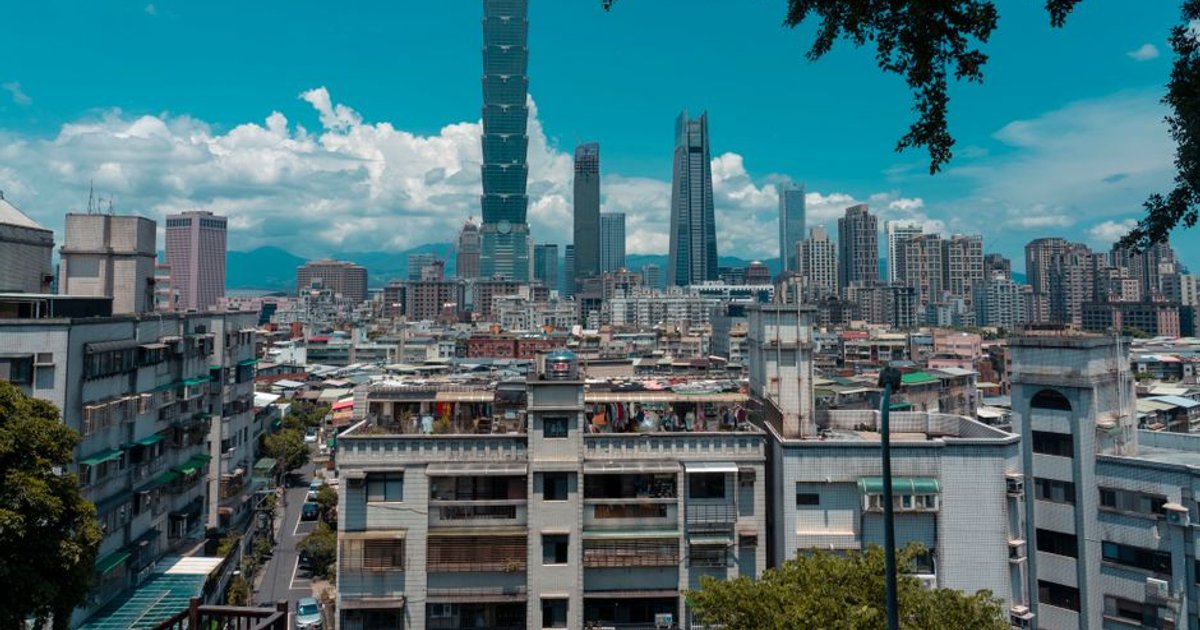
Global Turning Points: Taiwan’s Opportunity Amid U.S.-China Tensions, Environmental and Regional Upheavals
In an era defined by cross-Pacific tensions, environmental challenges, and shifting political tides, the world is witnessing a convergence of forces that promise to reshape the economic and security landscape of the Indo-Pacific. The “fundamental differences” between the United States and China, as highlighted by China expert Miles Yu, are not merely diplomatic obstacles; they are catalysts for profound strategic realignments with reverberations from Taiwan to Singapore, and all the way to Brazil. As these dynamics unfold, nations like Taiwan and Brazil find themselves at critical junctures, poised to either seize new opportunities or grapple with unprecedented challenges. This exposé investigates how these shifts are impacting decision-making, the daily lives of millions, and the future of regional alliances, exploring data-driven insights and forward-thinking perspectives from the latest developments reported by leaders in global coverage.
Decoding U.S.-China Differences: Strategic Implications for Taiwan
Persistent Diplomatic Disputes: For decades, the relationship between the United States and China has oscillated between cautious cooperation and fierce competition. At the heart of these tensions are issues of trade imbalances, technological supremacy, human rights, and military posturing. According to Miles Yu, the inability to resolve major disputes due to “fundamental differences” creates a unique opening for Taiwan (Focus Taiwan). While previous policy cycles emphasized caution, recent developments suggest that both the U.S. and Taiwan are embracing a more forward-leaning posture.
Opportunity for Taiwan: With disputes entrenched and dialogue often stalled, Taiwan is strategically positioning itself to deepen economic and security ties with Washington. This is evident in increased arms sales, investment partnerships, and security dialogues. The U.S. now sees Taiwan as more than an “issue” in its China policy, but as an active stakeholder. This paradigm shift brings with it real-world consequences, such as stronger deterrence against military threats and greater integration into global supply chains.
Security and Economic Integration: The spillover effects are tangible. Taiwanese semiconductor giants, for instance, are expanding U.S. operations, while the Biden administration continues to affirm support for Taipei’s defense capabilities. These moves are recalibrating risk perceptions and creating new investment channels, shaping the economic future of the region.
Environmental Wake-Up Calls: Singapore’s Haze and Air Quality Crisis
Unhealthy Air Index Readings: The brief return of Singapore’s central region air quality to “unhealthy” levels is more than a local inconvenience; it is a harbinger of broader environmental and public health concerns (Channel News Asia). As regional haze episodes intensify, driven largely by transboundary pollution and land-clearing fires in neighboring countries, Singapore’s government and residents are forced to confront the fragility of their natural environment.
Policy Responses and Innovation: The National Environment Agency’s rapid updates and forecast systems reflect a commitment to transparency and public safety. However, these measures are not only reactive but also inspire innovative responses, such as investment in air purification technology, and cross-border collaboration on emission reduction. Data from recent episodes show that health advisories and mask sales spike during unhealthy PSI ranges, prompting businesses to adapt and citizens to become more environmentally conscious.
Regional Implications: The haze crisis reveals the interconnectedness of regional policies; Singapore’s air quality depends on the environmental stewardship of Indonesia and Malaysia. This dependency underscores the urgent need for multinational agreements that transcend mere bilateral cooperation, as pollution knows no borders.
Brazil’s Decisive Election: Democracy, Geopolitics, and Latin America’s Future
Polarization and Global Impact: As Brazil heads to the polls in a high-stakes presidential showdown, the world watches closely. The contest between Lula and Bolsonaro is not just about who governs Brazil, but about the direction of Latin American democracy and its place in the global order (The Guardian). The Economist and ABC News have highlighted how Brazil’s political climate could trigger a “right-wing wave” across the continent, with ripple effects for trade, environmental policies, and U.S.-China relations.
Statistical Trends and Voter Dynamics: Polls show deeply rooted division, with each candidate representing divergent visions for the economy, foreign policy, and climate action. Brazilian voters are increasingly mindful of how their electoral choices impact everything from Amazon deforestation to global supply chains.
Geopolitical Stakes: Brazil’s strategic importance is amplified by its role in the BRICS alliance and as a major regional power. A shift in leadership could affect not only local policies but also Latin America’s broader positioning vis-à-vis both Washington and Beijing.
Japan’s Asian Games Dilemma: Operational Challenges and Olympic Aspirations
Operational Turmoil and International Reputation: The closure of the 20th Asian Games in Nagoya was marked by records, rancor, and rain, testing Japan’s organizational capabilities and international image (Channel News Asia). Channel News Asia and Yahoo News Singapore reported the event as “chaotic,” with Japan’s Olympic chief urging a critical reflection on operational failures.
Implications for Future Bids: Such challenges cast doubt on Japan’s readiness to host future Olympics, despite its rich legacy of sports leadership. The operational turmoil also signals the complexity of large-scale event management amid rising expectations for safety, inclusivity, and technological innovation.
Lessons and Forward Thinking: The Asian Games experience prompts Japanese policymakers and international sports bodies to rethink best practices, invest in digital infrastructure, and foster more robust contingency planning. The lessons learned will shape not only Japan’s sporting ambitions but also how the region approaches global events in an uncertain world.
Comparative Perspectives: Viewing Through Multiple Lenses
Western vs. Asian Strategic Outlooks: Western observers often interpret U.S.-China tensions through the lens of global balance of power, emphasizing military deterrence and economic decoupling. Asian policy makers, by contrast, tend to focus on regional integration, economic interdependence, and the risks of escalation. This divergence is especially relevant for Taiwan, whose fate is entwined with both global and local strategic narratives.
Environmental Action and Policy Choices: Singapore’s haze crisis is perceived differently at home and abroad. Locally, it is an urgent public health matter, while internationally, it is a warning sign of climate change and the need for transboundary cooperation. Such contrasts exemplify how context shapes responses to common challenges.
Democratic Transitions and Geopolitical Ripples: Brazil’s election reflects both national anxieties and global implications. For many observers, the outcome will determine not only the strength of Brazilian democracy but also the future of Latin America’s engagement with great powers. The Asian Games’ operational issues similarly illustrate how local setbacks can inform international standards.
The pace and complexity of global tensions and environmental challenges are creating new alliances, innovative responses, and opportunities for resilience. As nations adapt, their willingness to embrace change and collaboration will define their trajectory in the emerging geopolitical landscape.
Conclusion: A Strategic Call to Action for Global Stakeholders
Recent developments across Taiwan, Singapore, Brazil, and Japan underscore the urgent need for cross-functional leadership, data-driven strategy, and forward-thinking partnerships. The U.S.-China impasse has handed Taiwan a rare opportunity to redefine its place in regional security and economic integration, but only if policymakers act decisively and inclusively. Environmental crises such as Singapore’s haze demand a shift from reactive management to proactive, multinational cooperation with robust innovation. Brazil’s election reminds us that political choices have global consequences, shaping climate policy, market flows, and alliance structures. Japan’s experience with the Asian Games cautions against complacency and highlights the value of contingency planning in event management. As these stories unfold, the strategic importance of adaptability, resilience, and collaboration cannot be overstated.
Looking forward, the trajectory of these issues will depend on the ability of stakeholders, governments, businesses, and civil society, to recognize complexity and move beyond traditional boundaries. The world is watching, and the time to act with foresight and purpose is now. Only through bold strategies and sustained dialogue can nations transform today’s challenges into tomorrow’s opportunities, forging a more secure, stable, and vibrant global future.