
How U.S.-China Tensions In Washington Create Economic Opportunities For Taiwan And Shape Global Security
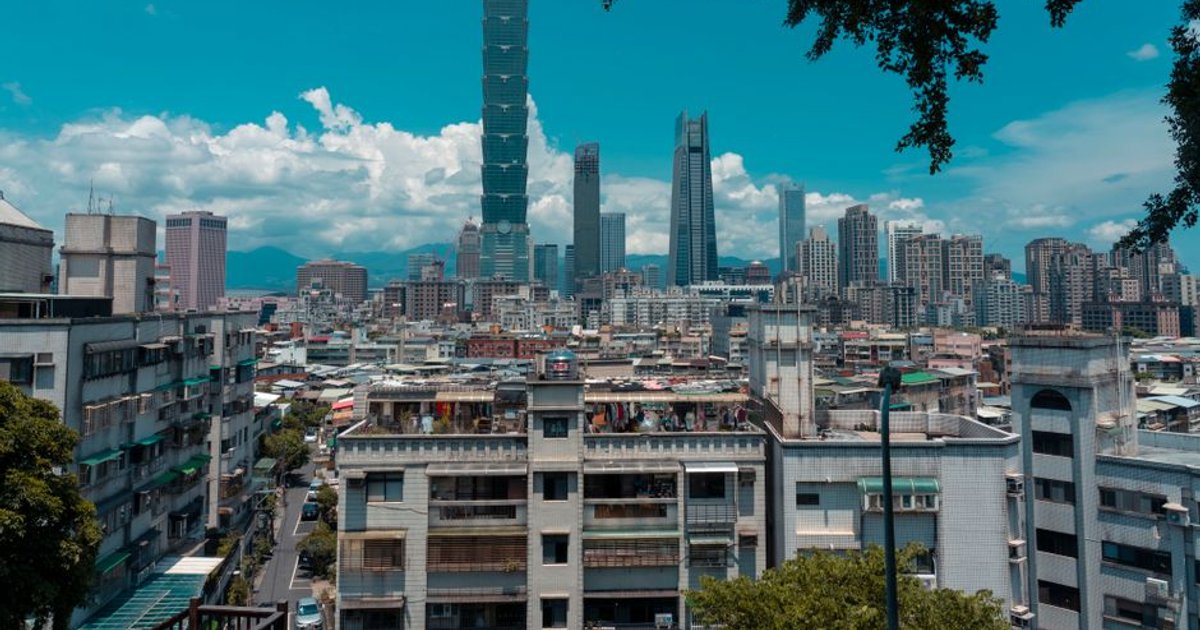
U.S.-China Tensions, Brazilian Election Turmoil, and Arctic Military Maneuvers: How Global Shifts Shape Taiwan’s Strategic Future
In recent years, global geopolitics have entered a period of profound realignment. Strategic differences between the United States and China persist, echoing through economic and security domains and influencing the fortunes of smaller players like Taiwan. Meanwhile, Brazil’s polarized election underscores broader ideological currents sweeping Latin America. Simultaneously, America’s military focus on the Arctic region signals a renewed attention to Russia’s northern frontier. These intersecting developments present Taiwan with an opportunity to deepen ties with Washington as major powers recalibrate their relationships and priorities. This exposé explores the real-world implications of these shifting dynamics, using current events and expert insights to chart the contours of an uncertain future.
Geopolitical Tensions: U.S.-China Divide Offers Strategic Openings
Root Causes of Friction
The persistent divide between the United States and China is anchored in fundamental ideological, economic, and security differences. According to China expert Miles Yu, these disparities make major disputes difficult to resolve, which paradoxically creates openings for third parties like Taiwan to enhance their economic and security ties with the U.S. The two nations' contrasting approaches to governance, trade, and global influence underpin a cycle of negotiations that rarely achieves lasting resolution. For Taiwan, this means the opportunity to step confidently into the breach left by unbridgeable differences, seeking closer cooperation with Washington on trade, technology, and defense, as highlighted by reporting from Focus Taiwan.
Evolving U.S. Policy and Taiwan's Response
The United States, increasingly wary of China’s assertive posture in the Indo-Pacific, has signaled willingness to deepen engagement with Taiwan. This is evidenced by recent moves to facilitate arms sales, support democratic governance, and promote bilateral economic initiatives. Taiwan, for its part, has responded by investing in its defense capabilities and seeking to diversify its international partnerships, recognizing the urgency imposed by a shifting regional balance.
Emerging Patterns: Brazil's Election and the Global Ripple Effect
Polarization as a Global Phenomenon
Brazil’s election, as reported by Al Jazeera, pits former President Lula against incumbent Jair Bolsonaro in a deeply polarized contest. This polarization is part of a broader wave sweeping Latin America and other regions, with ideological struggles producing tight races and unpredictable outcomes. Voters in Brazil, particularly in marginalized communities like Rio's favelas, express limited hope for transformative change, underscoring the real-world impact of political volatility on public sentiment and daily life. These dynamics resonate globally, reminding policymakers that domestic polarization can have international consequences, influencing trade, migration, and diplomatic relations.
Implications for Taiwan
For Taiwan, Brazil’s volatility serves as both caution and inspiration. The island nation must navigate its own political landscape with care, maintaining stability and cohesion even as it deepens engagement with the United States. Taiwan’s model of pragmatic, democratic governance may offer lessons for divided societies while reinforcing its claim as a reliable partner in an era of uncertainty.
Tactical Shifts: America's Arctic Military Posture
Strategic Reawakening in the Arctic
The United States’ renewed focus on the Arctic region, as detailed by Fox News, marks a tactical shift in military priorities. Joint exercises involving the U.S., Canadian, and Danish militaries in Greenland signal a robust commitment to defending northern territories against growing Russian ambitions. The deployment of the 115th Fighter Wing and USNORTHCOM’s projection of power underscores the seriousness with which America views the Arctic as both a strategic buffer and a potential flashpoint. This pivot alters the global calculus, directly affecting the posture of regional actors and indirectly influencing Taiwan’s security environment, as international attention shifts toward containment, readiness, and rapid response.
Militarization and Its Domino Effect
The militarization of the Arctic, though geographically distant, sends ripples across the globe. Taiwan, caught between superpowers, must weigh the implications of global military realignments. Increased U.S. defense spending and international military coordination may translate into higher expectations for Taiwan’s own defense readiness and could foster deeper intelligence and logistics sharing between Taipei and Washington.
Innovative Practices: Navigating New Realities
Economic Diversification and Technological Investment
Taiwan, recognizing both the risks and opportunities presented by U.S.-China tensions and broader global instability, has accelerated efforts to diversify its economy. Investments in semiconductor manufacturing, renewable energy, and cybersecurity have positioned Taiwan as a critical player in global supply chains, giving it leverage in negotiations with both the United States and potential partners in Europe and Southeast Asia. Moreover, Taiwan’s emphasis on innovation and digital infrastructure aligns with Washington’s push for resilient, secure technology frameworks, as discussed in multiple reports from Focus Taiwan.
Security Partnerships and Democratic Values
Beyond economic moves, Taiwan has doubled down on forging security partnerships. Training exchanges, joint exercises, and intelligence cooperation with the United States have become routine. This, combined with Taiwan’s robust democratic institutions, allows it to project stability and reliability in a region marred by authoritarian assertiveness and shifting allegiances.
Comparative Perspectives: Old School Conservatism and New Strategic Thinking
Classic Conservatism in the UK
Kemi Badenoch, a rising star in Britain’s Conservative Party, defines herself as an “old school” conservative with a vision reminiscent of Margaret Thatcher. As reported by BBC, Badenoch’s principles emphasize individual responsibility, market solutions, and strong national identity. This approach, while resonant with some, stands in contrast to the strategic thinking that dominates the U.S.-China-Taiwan narrative, which demands flexibility, multilateral coordination, and a willingness to embrace innovation.
Strategic Adaptation versus Ideological Rigidity
Where Badenoch champions tradition and incremental change, policymakers in Taiwan and the United States increasingly prioritize adaptive strategies. This contrast highlights the need for alignment between ideological frameworks and the rapid evolution of geopolitical realities. Taiwan’s capacity to innovate and pivot is a key differentiator in its ongoing quest for security and prosperity.
Data and Statistics: Quantifying the Impacts
Economic Trends
Taiwan’s trade with the United States has seen robust growth, with bilateral trade volumes exceeding $80 billion annually. Semiconductor exports account for a significant share, underscoring Taiwan’s strategic importance to global technology supply chains.
Military Readiness
U.S. defense budgets for Arctic operations have climbed steadily, with joint exercises involving hundreds of troops from allied nations.
Public Sentiment
In Brazil, 2022 polling showed a virtually even split between candidates, reflecting deep societal divisions and mirroring broader trends in democratic societies worldwide.
“Fundamental differences between the United States and China create an opportunity for Taiwan to deepen economic and security ties with Washington, unlocking new avenues for growth and resilience in an era of global uncertainty.”, Miles Yu
Forward-Thinking Insights: Preparing for the Next Phase
Leveraging Asymmetric Advantages
Taiwan’s best path forward involves leveraging its asymmetric advantages, namely, its technological innovation, democratic governance, and strategic location. By investing in cutting-edge industries and cultivating robust alliances, Taiwan can not only weather the storm of regional instability but emerge as a linchpin in the Indo-Pacific’s economic and security architecture.
Global Coordination and Local Agency
The interplay between global coordination and local agency is critical. As major powers recalibrate, Taiwan must maintain agency over its domestic affairs, guard against external interference, and champion the rule of law and transparency. The lessons from Brazil’s polarized election and Britain’s conservative revival underline the importance of balancing tradition with innovation, stability with progress.
Conclusion: Strategic Importance and Future Trajectory
In the unfolding global drama, Taiwan occupies a pivotal role. The island’s ability to navigate U.S.-China tensions, harness economic opportunities, and embrace adaptive security strategies will define its future. As Brazil’s election demonstrates, polarization and uncertainty are the new normal. Meanwhile, America’s Arctic militarization reveals the lengths to which nations will go to protect their interests.
The path ahead for Taiwan is fraught with challenges but rich with opportunity. By deepening ties with Washington, investing in innovation, and projecting democratic values, Taiwan can cement its position as a resilient and indispensable partner. The world is watching, and the stakes could not be higher. As history is rewritten in real time, Taiwan’s strategic importance grows, offering lessons and inspiration to all navigating the complexities of the twenty-first century. The imperative is clear: embrace change, foster alliances, and safeguard sovereignty to ensure prosperity and security in an unpredictable world.