
How ZUS Coffee Leveraged Kuala Lumpur Tech Partnerships To Surpass Starbucks: The Hyperlocal Playbook For Malaysia, Philippines, And Indonesia Expansion
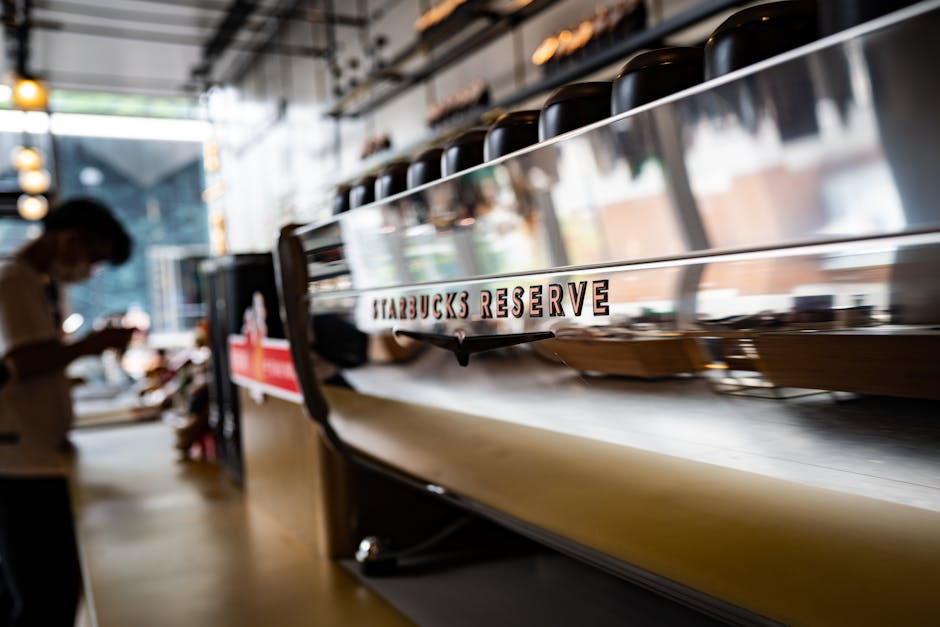
ZUS Coffee’s Hyperlocal Tech Playbook: Outpacing Global Giants Through Malaysian Startup Alliances
In the heart of Southeast Asia’s café revolution, a local disruptor has quietly—then spectacularly—leapfrogged entrenched international brands. ZUS Coffee, born in Kuala Lumpur less than a decade ago, has transformed from a humble kiosk into a regional juggernaut, boasting over 900 stores region-wide by late 2025. With a relentless focus on hyperlocal tech partnerships and a “necessity, not luxury” proposition, ZUS has rewritten the rules of coffee retail. As global chains like Starbucks cling to legacy models, ZUS’s bold collaborations with Malaysian startups have delivered not only 6X revenue growth in Malaysia from 2023 to 2024, but also a rare feat—profitability at scale. Their journey is more than a commercial success; it is a blueprint for a new era of regionally powered, tech-driven consumer brands.
The Dawn of a Local Powerhouse: ZUS Coffee’s Meteoric Rise
From Kiosk to Category Leader: The genesis of ZUS Coffee is steeped in Malaysian entrepreneurial scrappiness. Launching as a single outlet in Kuala Lumpur, the brand quickly recognized an opportunity: The region’s café culture was booming, but global chains failed to truly localize experience and pricing. By mid-2025, ZUS had catapulted to 743 outlets in Malaysia alone—doubling the footprint of Starbucks. Regional expansion was swift and methodical, with over 600 stores outside Malaysia by late 2025, including breakthrough markets like the Philippines, Indonesia, Thailand, and a foray into North Africa with Morocco.
Metrics that Matter: While most chains chase scale at the expense of margins, ZUS posted a net income of RM37 million in 2024—tripling its profit in one year. This profitability enabled rapid store growth (107 new Malaysian outlets, 80 in the Philippines in 2025) with minimal debt. Strategic reinvestments in R&D and local partnerships underpinned their success, steering clear of cash-burn “growth at all costs.”
Hyperlocal Tech Partnerships: The Real Engine of Disruption
Co-Creation over Endorsements: ZUS Coffee’s competitive edge is rooted in its ability to harness local innovation. Rather than superficial endorsements, the brand built co-creation ecosystems with fast-scaling Malaysian startups and regional partners. In practice, this meant leveraging foodtech, fintech, and digital agencies to craft experiences that went beyond the store.
Key Collaborations:
- Antsomi CDP 365 Platform: Adopted in 2023, this customer data platform seamlessly integrates app, sales, and behavioral data. The impact? Hyper-personalized campaigns that drove a 21% revenue uplift compared to conventional tactics, allowing ZUS to anticipate customer cravings and nudge frequent buyers with relevant offers.
- Secret Recipe & HYGR: These collaborations extended the ecosystem beyond coffee, creating cross-promotions and digital campaigns that celebrated Malaysian entrepreneurship. Influencer-driven social loops on TikTok and Instagram galvanized urban millennials, supercharging loyalty in Kuala Lumpur and other urban centers.
- Local Food Experts: Each quarterly menu cycle is co-developed with local chefs—think palm sugar drinks or regionally revered flavors—adjusted in real-time as ZUS’s app captures 70% of all sales digitally.
- Expansion Accelerators: Strategic investment from KV Asia, Malaysia’s Kumpulan Wang Persaraan (KWAP), and Indonesia’s Kapal Api Group did more than provide cash—they accelerated market entry, ironed out regulatory friction, and embedded ZUS into the regional food & beverage landscape.
Patterns and Innovations: Lessons in Southeast Asian Hyperlocalization
Data-Driven Storytelling: ZUS’s digital-first strategy isn’t just a buzzword; it’s a hard KPI. With 70% of sales flowing through its proprietary app, the company achieves real-time menu innovation and targeted marketing that simply outpaces legacy competitors.
Workforce and Community: Hyperlocal hiring policies—over 6,000 employees by 2025—have not only fostered tribal loyalty (see Sarawak’s “ZUSie” initiatives), but have also ensured store-level retention rates that global chains envy.
Revenue Transformation: Focused partnership pilots consistently yielded outsized returns. For example, Antsomi’s platform delivered a 21% revenue increase through personalization alone, while cross-promotions with Secret Recipe/HYGR amplified word-of-mouth and millennial acquisition. The numbers are so compelling that ZUS expects to reach 850 Malaysian stores by Q1 2026, fueled by a 6X revenue surge since 2023.
Comparative Lens: ZUS Coffee vs. International Chains
Standardization vs. Localization: Where Starbucks and other international chains rely on global templates with minor regional tweaks, ZUS’s entire operating system is designed for hyperlocal adaptation. Each city becomes a laboratory for menu development, digital campaigns, and community programs.
Digital Maturity: ZUS’s app harnesses the full value of digital, driving 70% of all transactions. In contrast, international chains’ apps in Southeast Asia lag, often failing to deliver such deep personalization or integration with local culture.
Growth Engines:
| Metric | ZUS Coffee | Starbucks (Malaysia Reference) |
|---|---|---|
| Malaysia Outlets (2025) | 743-850 | ~370 (doubled by ZUS) |
| Revenue Growth (2023-2024, Malaysia) | 6X | N/A (globals slower to adapt) |
| Digital Sales Share | 70% | Lower (SEA app adoption lagging) |
| Net Income 2024 | RM37M (tripled) | Profit-focused but slower scaling |
| Expansion Funding | RM250M (2025) | Heavier capex reliance |
Regional Variations: The ZUS Coffee Localization Playbook in Action
Malaysia—The Blueprint: With over 700 outlets by late 2025, ZUS demonstrates how deep personalization (using CDP 365 data flows), cross-promotion with iconic local brands, and grassroots community engagement can unlock urban growth. Kuala Lumpur’s 200+ outlets are cultural touchstones, using app-driven feedback to continuously refine product offerings.
Philippines—Cultural Chameleon: In the fierce “café wars” of Metro Manila, ZUS scales quickly (80 stores in 2025), blending locally beloved purple yam (ube) drinks and regional digital partnerships—proving the Malaysian model is replicable across Southeast Asia’s diverse contexts.
Indonesia—Conglomerate Leverage: Here, ZUS leaned into Indonesia’s complex F&B landscape by partnering with Kapal Api Group, rapidly clearing entry barriers and establishing operational credibility.
Emerging Markets—Momentum Before Market Entry: Even before its first store in Pakistan or Morocco, ZUS builds buzz through TikTok and app pre-registrations, signaling intent and establishing a pipeline of loyalists before doors even open.
Framework in Action: Steps for Replicating ZUS’s Collaborations
For Ambitious Chains and Tech Firms: ZUS’s partnerships are not accidental wins but the output of a repeatable process. This is how business leaders can replicate their success:
1. Identify Synergistic Startups (1-2 Months): Shortlist innovative foodtech, CDPs, and digital agencies using Malaysian startup networks like MaGIC or Cradle Fund. ZUS’s own pilot partnerships contributed to its 6X revenue surge; allocate 5-10% of your expansion budget to these pilots.
2. Structure Mutually Beneficial Agreements (1 Month): Use equity, revenue shares, or co-branding to cement alliances, ensuring active investment akin to the Kapal Api accelerator model. Embed data-sharing clauses for advanced app integration. A 20%+ uplift—as proven by ZUS’s CDP 365—is a realistic target.
3. Pilot Hyperlocal Innovations (3 Months): Test quarterly menus or digital partnerships in key cities, using app analytics to validate uptake. Only scale if sales lift exceeds 15% in pilot stores.
4. Scale with Real-Time Data Loops (Ongoing): Harness digital platforms to monitor KPIs—target 2X outlet growth in two years, mirroring ZUS’s real-world trajectory.
5. Amplify via Social & Community (Parallel): Leverage influencers and local hiring to build grassroots buzz, as ZUS did with “ZUSie” pride initiatives and TikTok stunts for new market launches.
Broader Implications: Beyond Coffee to Regional Tech Dominance
Malaysia as a Regional Launchpad: With more than 5,000 startups and a supportive regulatory environment, Malaysia offers a compelling ecosystem for F&B tech innovation. ZUS’s trajectory is a real-world validation of the region’s potential for “homegrown-to-regional” brands, especially when local capital and talent are combined.
Risk and Reward: Rapid scaling via local partners isn’t without its challenges. Due diligence is critical (as with ZUS vetting Antsomi for enterprise readiness). Investment should start at RM10-20 million for a 50-store test, following ZUS’s disciplined profit model.
"The next regional champions won’t be global chains—but brands that fuse hyperlocal insight, data-driven personalization, and community-rooted partnerships. ZUS Coffee is writing the new playbook for Southeast Asian F&B dominance."
Forward-Thinking Insights and Recommendations
Outpace, Don’t Imitate: Local tech alliances are the secret to rapid, profitable scaling—something international chains cannot easily match. ZUS’s dual focus on digital engagement and local flavor has delivered 2X outlet growth over established global peers.
Track the Right Metrics: Leadership teams should obsess around three pillars: digital share of sales (target >50%), revenue uplift from personalization (20%+), and profitability before chasing new markets.
Invest in Malaysia’s Startup Ecosystem: The Malaysian innovation landscape remains undervalued compared to Singapore, yet offers superior ROI for F&B chains willing to invest in tech integration, with 10-20% potential cost savings.
Leverage Regional Conglomerates: In complex markets like Indonesia and the Philippines, go beyond tech—pair with local conglomerates for on-the-ground credibility and operational muscle.
Use Social Pre-Buzz for Launches: ZUS’s pre-registration and social campaigns in Pakistan and Morocco hint at a new, faster playbook for emerging market entry.
Conclusion: The ZUS Coffee Paradox—Local as Global
ZUS Coffee’s story is a case study in the power of local innovation to outmaneuver even the world’s most formidable global brands. Their meteoric rise—900+ stores, 6X revenue growth, RM37 million in net income—was not luck but the result of a disciplined, partnership-first approach. For business leaders plotting the future of Southeast Asia’s F&B sector, the imperative is clear: Embrace the local tech ecosystem, invest in agile startups, and build alliances that unlock both scale and sustained profitability.
The “Malaysian model” is now exportable. In the next two years, as ZUS cements itself as a case study for homegrown regional dominance, those who delay will cede not just market share but cultural relevance. The future belongs to those who blend data, digital engagement, and authentic, on-the-ground partnerships. ZUS has not just rewritten the rules—they have thrown down a gauntlet for a new generation of Southeast Asian champions.
For a deeper analysis, explore ZUS Coffee’s partnership and expansion strategy or consult industry case studies on technology and growth in F&B for actionable templates.