
How ZUS Coffee Outpaced Starbucks: The Hyperlocal, Digital-First Playbook Powering Explosive Growth In Kuala Lumpur, Malaysia, Philippines, And Indonesia
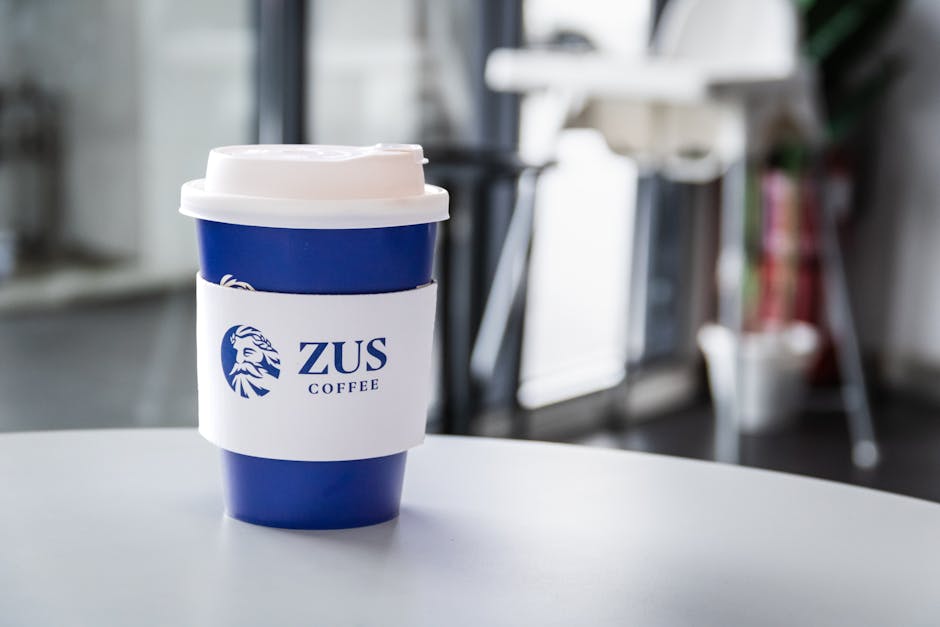
ZUS Coffee’s Hyperlocal Revolution: How Southeast Asia’s Fastest-Growing Chain Outpaced Starbucks and Redefined the Café Playbook
In late 2019, a modest kiosk opened its doors in Kuala Lumpur, Malaysia’s bustling capital. Few observers expected that this small venture—ZUS Coffee—would, within just half a decade, explode into Southeast Asia’s fastest-expanding coffee chain. By Q4 2025, ZUS will operate over 1,000 stores, dramatically outpacing global giants like Starbucks in the region. Its meteoric rise, built not on premium real estate or global branding, but on ingenious hyperlocal partnerships and radical digital integration, signals a paradigm shift in how Southeast Asia drinks its coffee—and how modern retail can be built for capital efficiency, scale, and cultural resonance.
This exposé unpacks the mechanics of ZUS Coffee’s ascent, revealing actionable strategies and cautionary lessons for business leaders, investors, and competitors navigating the complex, fast-changing Southeast Asian market.
Breaking the Mold: ZUS Coffee’s Hyperlocal Blueprint
Unprecedented Scale Through Local Roots. ZUS Coffee’s surging growth trajectory stands in stark contrast to the region’s established café chains. By April 2025, ZUS commanded 743 Malaysian stores—more than double the footprint of Starbucks Malaysia’s 320 outlets, and surpassed the U.S. giant for market dominance. Success did not come from mimicking traditional expansion models predicated on high-profile flagship stores and expensive mall leases.
Instead, ZUS meticulously embedded itself into neighborhoods by leveraging existing micro-infrastructures: petrol stations, convenience stores, local kiosks, and more. The result is an agile, asset-light network capable of rapid rollout—achieved at roughly one-tenth the cost of global competitors, and with 70% of outlets franchised or partnered locally.
This approach redefines the playbook for fast-moving consumer retail in Southeast Asia, where urbanization, price sensitivity, and digital lifestyles demand a new kind of operational intelligence. ZUS’s 2024 net income of RM37 million (tripling over the previous year) reflects both the scale and financial discipline that most rivals have struggled to achieve.
Capital Discipline: A New Economic Order for Coffee Retail
Radical Efficiency, Unconventional Sites. The core of ZUS’s advantage is a radically reengineered cost structure. Where Starbucks spends well over US$500,000 to open a single new outlet, ZUS requires less than US$50,000—an industry-shattering 90% difference. This capital efficiency unlocks explosive scaling, bringing new stores online in weeks, not months, and allowing ZUS to flood the market while maintaining positive unit economics.
Micro-Formats and Partnered Real Estate. Most ZUS shops are sub-100 square meter sites, piggybacking on the foot traffic of petrol stations, convenience stores, and even local kiosks. These micro-locations reduce operational overheads by 40-50% compared to traditional cafés, slashing the break-even point and enabling franchisees to see rapid returns.
Franchise-Led Agility. With franchising accounting for 70% of stores, ZUS shares risk, cost, and decision-making with local entrepreneurs deeply connected to their communities. This network effect creates both operational resilience and a built-in promotional engine, with franchisees incentivized to drive quality, customer satisfaction, and local relevance.
Regional Playbook: How ZUS Cracked New Markets
Malaysia — The Financial Engine
ZUS’s home market is both laboratory and financial anchor. Embedding outlets in petrol stations and convenience chains gave ZUS instant access to high-traffic corridors, bypassing the traditional headaches of site identification and acquisition. By 2025, Malaysia hosted over 900 ZUS outlets.
Digital-First Distribution. About 60% of all ZUS revenue in Malaysia flows through delivery, a testament to its mobile-native strategy. Partnerships with platforms like Grab and WeChat have made “ordering a ZUS” as seamless as booking a ride—reframing coffee as a convenience rather than a destination.
Operational Excellence. The franchise model supercharges scale but does not sacrifice control. ZUS provides stringent training and operational playbooks, ensuring brand consistency across hundreds of locally-owned stores.
Philippines — Cultural Fluidity and Speed
The Philippine consumer landscape is fiercely competitive, shaped by local giants like Figaro and a vibrant café culture. ZUS entered in September 2023, and by late 2025, had established nearly 200 outlets—an expansion timeline that would have been unthinkable using old retail models.
Grassroots Partnerships. Success hinged on forging alliances with mall operators and the ubiquitous sari-sari (village store) network, effectively embedding ZUS right at the heart of local communities.
Menu Localization as Moat. Unlike global chains, ZUS leaned into Filipino tastes, developing products like the now-iconic ube (purple yam) beverages. Combined with GCash integration for loyalty and payments, ZUS achieved major cut-through, capturing urban millennials looking for value (lattes priced ~25% below rivals) and digital-native convenience.
Investment as Catalyst. Funding and local credibility from billionaire Frank Lao supercharged infrastructure buildout, providing the kind of insider access that foreign competitors often lack.
Indonesia — Conglomerate Leverage in a Complex Market
Indonesia, home to the world’s fourth-largest coffee market, is famously intricate. The local powerhouse, Kopi Kenangan, dominates with over 1,000 outlets. Rather than brute-forcing its way in, ZUS navigated this terrain with surgical partnerships, notably with the Kapal Api Group.
Regulatory & Distribution Advantages. Kapal Api’s distribution, F&B ecosystem, and local influence enabled ZUS to leapfrog common market entry barriers—accelerating toward its 100-store target for 2026.
Halal Certification and Warung Integration. Targeting Indonesia’s Muslim-majority, ZUS built cultural affinity through halal-certified operations and by converting traditional warungs into branded outlets. This not only differentiated it from global “outsiders” but also respected the existing informal F&B structure.
Thailand and Beyond — Controlled Pilots for Disciplined Growth
ZUS’s move into Thailand in 2025 was intentionally measured: two openings, with a plan to reach 50 outlets by end-2026.
Location Intelligence. Store placement in BTS stations and condo complexes zeroed in on high-density, convenience-focused zones. Platform integration with Line and collaboration with Chatime kiosks localized ZUS’s digital presence.
With US$10 million in projected 2026 revenue from under 50 stores, the Thailand pilot reveals the per-store strength of the model—built on delivery-first economics and affordable pricing.
Similar approaches in Singapore and Brunei highlight ZUS’s willingness to adapt—partnering with hawker centers and mosque-adjacent sites, navigating regulatory hurdles, and maintaining its affordability edge even in affluent, tightly regulated environments.
Patterns and Principles: The ZUS Operating System
Partnerships Over Property. The most persistent pattern is ZUS’s avoidance of heavy fixed-asset commitments. By sidestepping costly real estate, ZUS’s retail outlets can be deployed rapidly and profitably—even in secondary markets others deem unviable.
Digital-Native Consumption. ZUS’s 60%+ delivery revenue share across several markets underlines a profound shift in consumer behavior: Southeast Asian urbanites prize convenience and mobile integration over premium décor or physical ambience.
Grassroots Franchise Velocity. The distributed franchise model democratizes scale, making it possible to open hundreds of outlets without centralizing all operational risk or capital requirements. This empowers local adaptation and promotional dynamism, a critical edge when competing with more rigid, centrally managed chains.
Menu as Market Signal. Localized offerings (ube, halal, region-specific snacks) demonstrate respect for cultural nuance—generating both goodwill and competitive insulation.
A Comparative Lens: ZUS vs. the Old Guard
Starbucks’ Premium Handicap. Starbucks, with its global sheen, premium store formats, and expensive capex, is structurally disadvantaged in Southeast Asia’s price-sensitive, hyper-digital markets. Its US$500,000+ per store capex, corporate-heavy operations, and standardized menus are assets in mature, high-income markets but prove liabilities where urban density and digital platforms drive customer flows. Starbucks’ 320-outlet Malaysian footprint was eclipsed by ZUS’s 743, not because of lack of recognition, but because the game has changed.
Local Giants and the Digital Divide. Chains like Kopi Kenangan in Indonesia have brand power, but ZUS’s capital efficiency and international digital playbook allow it to scale faster across borders. In the Philippines, longstanding rivals like Figaro and Bo’s Coffee face new pressures from ZUS’s aggressive pricing (~25% lower) and the harnessing of local digital platforms and loyalty programs.
What New Entrants See. What outsiders notice is not simply the “franchise versus corporate” debate, but how ZUS’s technology, alliance strategy, and menu localization converge to create a structural moat that is hard to disrupt—especially at such a low cost of entry.
Digital Integration: The New Storefront
Delivery as the Core Revenue Channel. ZUS’s model is not tethered to walk-in traffic; instead, the company meets consumers wherever they are—on mobile delivery apps. With 60% of revenue coming via Grab, Gojek, GCash, WeChat, or Line, ZUS sidesteps the need for expensive in-store experiences.
Loyalty and Data Platforms. Integration with regional platforms (notably GCash in the Philippines) delivers powerful data on customer preferences, enables microtargeted promotions, and drives repeat purchase behavior at a fraction of the cost of proprietary loyalty programs. The payoff: customer acquisition costs that are a fraction of traditional retail, and a virtuous cycle of data-fueled menu and offer optimization.
“The fundamental insight is that partnerships are not tactical conveniences—but strategic imperatives. Embedding your brand into existing infrastructure and seamless digital platforms enables capital-efficient regional dominance where traditional methods are structurally disadvantaged.”
Menu Innovation: Balancing Consistency and Localization
Quality Consistency, Local Flavor. ZUS maintains high standards across outlets, but its willingness to localize—whether with ube in the Philippines or halal-certified menus in Indonesia—signals market empathy and flexibility. This hybrid approach insulates against the “global sameness” that can doom foreign brands.
Diversification for Sustainability. Though coffee currently accounts for 80% of revenue, ZUS is moving to diversify its menu with sandwiches, desserts, and local snacks to guard against category fatigue and to create new consumption occasions.
Value-Driven Pricing. ZUS lattes and core drinks are typically 25% cheaper than established competitors—a positioning that captures the value-conscious digital customer, without racing to the bottom or eroding profitability.
Financial Architecture: Proof That Scale Need Not Sacrifice Profit
Accelerating Revenue Growth. ZUS posted an extraordinary 6X revenue growth in Malaysia from 2023 to 2024, with a net income of RM37 million—tripling profit year-on-year. This profitability, achieved at scale, debunks the myth that only market share matters in early growth phases.
Capital Efficiency as a Weapon. ZUS’s sub-US$50,000 per store capex permits tenfold faster expansion than chains deploying legacy formats. Operational costs remain 40-50% below the café norm, and the franchised model further externalizes financial risk while providing ongoing royalty and wholesale income.
Unit Economics. Even in pilot markets like Thailand, average unit volumes are substantially higher than legacy chains, thanks to digital-driven transaction rates and minimal fixed costs.
Risks, Realities, and What Comes Next
Market Saturation and Cannibalization. Rapid expansion can erode same-store sales if not carefully managed. ZUS must keep a close eye on unit economics and adapt its rollout if cannibalization appears.
Franchise Quality and Brand Consistency. Spreading operating risk to franchisees can dilute brand standards. Vigilant training, performance monitoring, and selective pruning of underperforming partners are non-negotiable to maintain quality.
Regulatory Flux and Platform Dependency. With 60% of revenue reliant on external delivery platforms, any policy or commission changes could impact profitability. Diversifying platform partnerships and investing in direct-to-consumer channels may be prudent hedges.
Supply Chain Vulnerabilities. Menu localization creates ingredient dependency risks—a disruption in the ube supply chain, for example, could impact differentiation in the Philippines. Multi-sourcing and inventory buffers are necessary insurances.
Lessons for Market Entrants: The ZUS Expansion Playbook
Phase 1: Establish Partnerships Pre-Launch. Before the first store opens, map and secure partnerships with local real estate players (petrol stations, malls, kiosks) and digital platforms (Grab, Gojek, GCash). Locking in these alliances is foundational.
Phase 2: Pilot, Test, and Refine with Data. Use the first 10-20 locations as live laboratories. Monitor unit economics, menu mix, and delivery patterns to refine the model before broad rollout.
Phase 3: Accelerate with Franchise Velocity. Once validated, scale rapidly by recruiting local entrepreneurs who bring capital, local knowledge, and operational muscle. Leverage performance data to select high-potential partners.
Phase 4: Consolidate and Expand Offering. As critical mass is reached, consider acquisitions of smaller regional rivals, broaden the menu for greater daypart penetration, and introduce higher-margin specialty offerings.
Strategic Implications: Why This Matters for Leaders Across Sectors
ZUS Coffee’s journey is far more than a retail success story—it is a signal flare for how Southeast Asia’s new consumer economy will unfold.
- For Retailers: Expansion must be reimagined for speed, capital efficiency, and local cultural resonance. The age of “build it and they will come” is over—especially when digital platforms control consumer access.
- For Investors: The most attractive opportunities are not always the most visible brands, but those able to combine asset-light footprint, rapid regional adaptation, and operational discipline.
- For Regulators and Policymakers: Partnerships with global and local players can rapidly transform local economies—for better or worse. Maintaining standards while encouraging innovation is a delicate balance.
- For Competitors: The window for fast, capital-efficient market entry is narrowing quickly. Those who do not adapt risk irrelevance or displacement—even with strong global brand equity.
For further reading and data validation, see ZUS Coffee’s story examined in sources such as Growth HQ’s case study, World Coffee Portal, and regional news coverage from Malay Mail.
Conclusion: The Future Is Hyperlocal, Capital-Efficient, and Digital-First—Are You Ready?
ZUS Coffee’s transformation from a Kuala Lumpur kiosk to a 1,000-outlet regional titan is more than a growth story—it is evidence that the rules of engagement have changed for Southeast Asia’s café sector and, by extension, for all consumer-focused retail.
The winning formula: embed locally, scale rapidly through capital-efficient partnerships, leverage digital platforms as your storefront, and treat menu localization as a core competence rather than a side project. ZUS’s RM37 million net income, 6X revenue growth, and 70% franchise-led model provide a roadmap for sustainable dominance in markets that are notoriously price-sensitive and competitive.
For leaders hoping to capture similar success, the lesson is clear: those who move quickly, integrate deeply, and avoid legacy cost traps will define the next era of retail in Southeast Asia. The future belongs to the agile, the digitally native, and the locally embedded. The only remaining question: will you adapt—or be left behind?