
How ZUS Coffees Hyperlocal Strategy Is Disrupting Malaysias Specialty Café Scene: Tech, Local Flavors, And The Kuala Lumpur Revolution
The Hyperlocal Revolution: How Malaysian Cafés Are Redefining Southeast Asia’s Coffee Culture
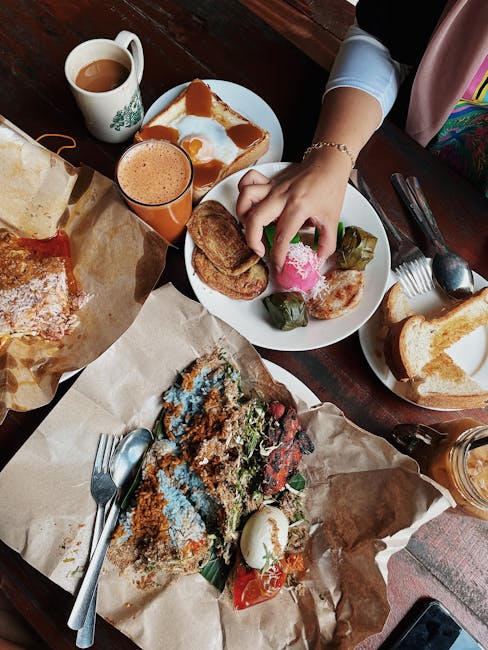
In bustling Malaysian cities, the aroma of freshly brewed specialty coffee now mingles with scents of pandan, gula Melaka, and ube. The nation’s café scene, once mirroring international chains, is undergoing a profound transformation. Malaysian entrepreneurs—led by tech-enabled, hyperlocal innovators—are challenging global giants and rewriting the rules of Southeast Asia’s specialty coffee market. This exposé uncovers the data-driven strategies, cultural adaptations, and digital revolutions propelling Malaysia into coffee’s next frontier, with sweeping regional implications.
From Colonial Past to Specialty Surge: The Evolution of Malaysia’s Coffee Scene
Historical Roots and Market Inflection
Coffee’s heritage in Malaysia stretches back to colonial-era kopitiam—modest, community-centric shops serving robusta blends with sweetened condensed milk. For decades, these venues shaped local tastes and routines. The past ten years, however, have marked an inflection point: as urbanization accelerated and global exposure deepened, a new wave of consumer demand emerged for specialty, experiential coffee. According to market projections, Malaysia’s specialty coffee market is set to expand by USD 50.8 billion between 2025 and 2029, a surge signaling not only changing tastes but the sector’s vast economic promise (Luxuo).
Hyperlocal Innovation: The ZUS Coffee Playbook
Disrupting With Technology
Few brands illustrate Malaysia’s hyperlocal ascendancy as vividly as ZUS Coffee. Founded as a delivery-first startup, ZUS ignited a digital-first revolution. Today, with 743 outlets nationwide and a staggering 70% online transaction rate, the company has outpaced Starbucks to become Malaysia’s largest chain. This tech-forward, app-centric approach slashes labor costs, optimizes unit economics, and maximizes customer convenience—redefining what a coffee chain can be in a smartphone-saturated society.
Pioneering Accessible Specialty
ZUS targets a market wedge—"accessible specialty"—that was previously underserved. Its price architecture bridges the gap: below premium international chains (≥RM11 per cup) but above corner-store brews (≤RM5). With barista-grade beverages at around 20% lower prices than Starbucks, ZUS democratizes high-quality coffee without sacrificing flavor or presentation. This balance of quality and value has fueled meteoric growth, making quality coffee an everyday ritual for a broader Malaysian demographic.
Ultra-Localized Menus
Rather than exporting a one-size-fits-all menu, ZUS and its peers craft drinks with distinctively local palettes. The Gula Melaka Latte is a staple in Malaysia, infusing palm sugar into espresso and milk. In the Philippines, purple yam (ube) coffee resonates with Filipino roots, while in Thailand and Indonesia, pandan, coconut, and local spices find their way into trendy creations. This adaptation extends beyond ingredients: branding, store design, and digital campaigns are all tailored to their hyperlocal context, ensuring authenticity and immediate relevance (GrowthHQ).
Rethinking the Café Model: Digital and Experiential Shifts
High-Tech, High-Touch Service
Malaysian coffee startups are rapidly adopting AI-driven personalization, automating product recommendations based on order history, location, and emerging trends. From dynamic, app-powered loyalty programs to geofenced promotions, these moves drive customer engagement and lifetime value in a highly competitive market.
Community and Third Space Reinvented
While technology drives transactions, the physical café remains vital—a modern "third space" for work, study, and socializing. Successful chains balance digital convenience with thoughtful café design, recognizable hospitality, and cultural resonance. The result: vibrant spaces where local flavors, global aesthetics, and tech-enhanced service merge seamlessly.
Comparative Perspectives: Malaysia vs. Regional Neighbors
Menu Innovation as Competitive Advantage
In contrast to the standardized menus of global giants like Starbucks, Malaysian brands and their Southeast Asian counterparts increasingly outpace foreign entrants through culinary innovation. For instance, in the Philippines, the rise of ube lattes aligns with national identity, while in Indonesia, coconut and palm flavors are central. The hyperlocal recipe for success is clear: authenticity and cultural relevance win over mere global recognition.
Cost Structure and Access
International chains, anchored by legacy store designs and labor-heavy operations, struggle to match the nimble, tech-enabled economics of Malaysia’s new leaders. By shifting 70% of orders to online, ZUS drastically reduces on-site wait times, errors, and staffing needs, allowing for rapid scaling and operational resilience—even during market shocks.
Real-World Impact: Consumers, Communities, and the Supply Chain
Democratizing Specialty Coffee
With more accessible pricing and digital integration, specialty coffee is no longer reserved for affluent urbanites. Students, gig workers, and families now enjoy premium beverages at affordable prices, with hyperlocal flavors fostering cultural pride and experimentation.
Economic Ripple Effects
The café boom stimulates local entrepreneurship and supports ancillary industries, from décor to digital payments. However, it also raises questions about sustainability and supply chain ethics—issues increasingly prioritized by both consumers and new market entrants.
“Hyperlocal innovation is not just a differentiator—it’s a necessity in Southeast Asia’s next coffee chapter. Those who fail to balance digital agility with cultural authenticity risk irrelevance in tomorrow’s market.”
Forward-Looking Insights: The Strategic Road Ahead
AI and Customer Intimacy
As AI becomes ubiquitous, Malaysia’s innovators are poised to offer ever deeper personalization—from predictive menu curation to location-based promotions (GrowthHQ). The café will remain a digital-physical hybrid, fusing convenience with community connection.
Sourcing, Sustainability, and Regional Expansion
A growing emphasis on ethical sourcing, environmental stewardship, and locally-sourced ingredients defines the next frontier. As Malaysian chains eye regional expansion, their ability to localize menus and operations—while maintaining scalable, ethical practices—will determine long-term market leadership.
Conclusion: The New Inflection Point—Why Hyperlocal Innovation Matters
The battle for Southeast Asia’s coffee drinker is no longer about who has the fanciest latte art or the most Instagrammable interiors. It’s about who can synthesize local tastes, digital expectations, and entrepreneurial agility into a truly resonant experience. Malaysian cafés, led by disruptors like ZUS, have revealed a blueprint: hyperlocal innovation is not a fleeting trend, but the foundation for market dominance and cultural relevance.
As the specialty coffee market surges toward USD 50.8 billion in growth by 2029, the stakes are immense. Business leaders, investors, and hospitality visionaries must internalize this lesson: the future belongs to those who build with, not just for, their communities—fusing technology, flavor, and cultural authenticity in every cup.