
Sourcing And Trading Coffee In Southeast Asia Practical Insights For Vietnam Ho Chi Minh City Kuala Lumpur Procurement And Supply Chains
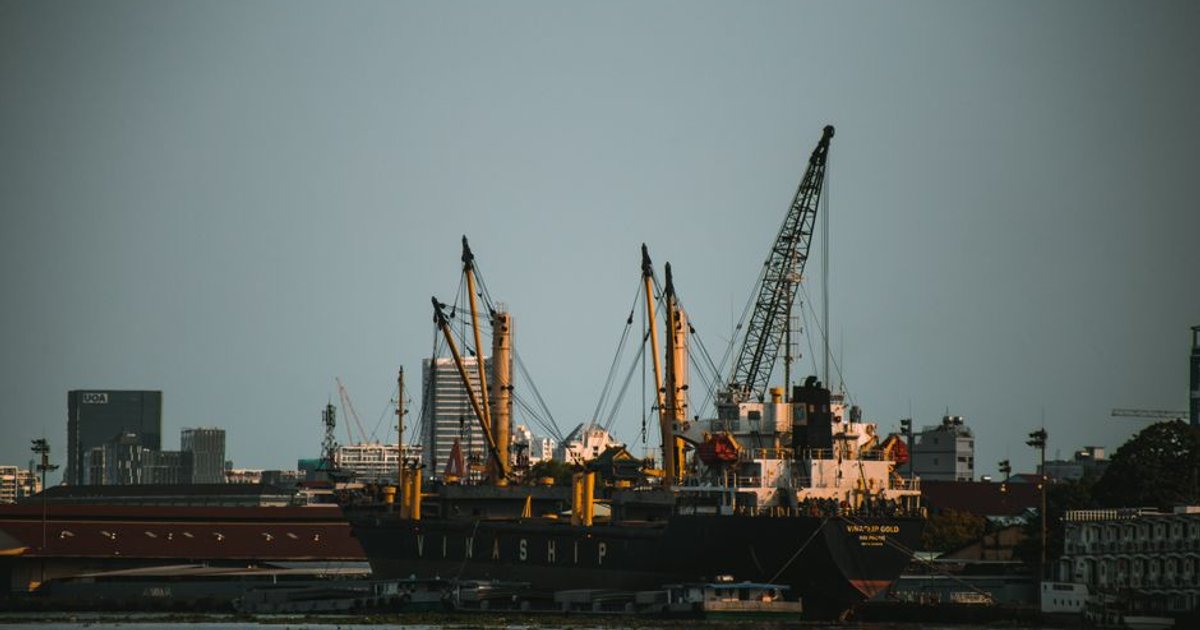
Digitizing Southeast Asia’s Coffee Supply Chain: Implications for Physical Sourcing and B2B Trade
The global coffee trade has long been defined by fragmented production, relationship-driven sourcing, and opaque supply chains. In Southeast Asia, spanning Vietnam, Indonesia, Malaysia, Thailand, the Philippines, and Singapore, these legacy structures are being rapidly re-engineered. Technology, sustainability mandates, and shifting buyer expectations are transforming how procurement managers, traders, and importers handle the physical movement of coffee as an agricultural commodity. For B2B operators focused on defense and food supply chains, understanding the new landscape of data-driven coffee sourcing is vital. It is not about café trends or digital tools alone; it is about measurable improvements in visibility, quality control, shipment reliability, compliance, and resilience from farm to port.
From Fragmentation to Measured Trade: Technology as Infrastructure
Historical fragmentation is giving way to systemic traceability. Traditionally, Southeast Asia’s coffee trade relied on personal relationships between farmers, aggregators, and exporters, with inconsistent documentation and highly variable quality standards. The current shift is towards quantifiable data at each stage, from farm boundaries to lot codes, moisture content, defect rates, and shipment details, enabling procurement managers to verify origin, quality, and compliance before goods reach their warehouses.
Data integration is narrowing operational blind spots. Farm-level records now routinely include producer identity, GPS boundaries, elevation, yield, certifications (such as UTZ or Rainforest Alliance), and sustainability metrics. Processing facilities log moisture, throughput, energy consumption, waste, and defect rates, while commercial systems track prices, purchase orders, inventory, and customer demand. This connected dataset enables traders to analyze risks, forecast supply, and validate supplier claims.
Regulatory compliance and export documentation are becoming data-driven. Increasingly strict requirements for traceability, supplier qualification, and export permits are pushing stakeholders to adopt digital platforms that support audit-ready reporting and chain-of-custody workflows. For example, shipment documentation must now connect farmer ID, processing batch, warehouse movement, and export certification, supporting smoother customs clearance and fewer disputes.
Vietnam: The Engine Room of Coffee Processing and Export
Vietnam’s Central Highlands anchor raw-cultivation sourcing. The country is the world’s second-largest coffee producer, exporting over 1.8 million tons annually, primarily robusta (HS Code 0901.12). Provinces such as Dak Lak, Lam Dong, and Gia Lai concentrate farming and processing, with Ho Chi Minh City serving as the commercial hub for data, compliance, and shipment operations.
Processing hubs add measurable value. New technology roles are emerging in soluble and instant coffee (notably with Novonesis) that bridge laboratory trials, industrial processing, yield optimization, and resource efficiency. Product consistency is tied directly to factory data, yield figures, defect rates, and batch documentation, which trade professionals now use to negotiate prices and validate quality claims.
Port logistics and lead times matter. Vietnamese coffee exits primarily via Haiphong, Danang, and Ho Chi Minh City ports. Typical lead times for containerized shipments can range from 7 to 18 days depending on destination, with FOB and CIF Incoterms dominating export contracts. Procurement teams must now factor in port congestion, customs digitization, and real-time shipment tracking in their sourcing decisions.
Compliance and certification are front-loaded. Exporters increasingly require auditable farmer data, traceability documentation, sustainability certifications, and inventory management protocols. This shift supports smoother customs clearance and reduces the risk of rejected goods or delayed payment, crucial for traders operating on thin margins.
Indonesia: Adapting Sourcing to Geographic and Digital Complexities
Dispersed origin and specialty focus raise adaptation risks. Indonesian coffee is produced across Sumatra, Java, Sulawesi, and Papua, with specialty-coffee identities complicating mass procurement. Farm sizes range from less than 1 hectare to large estate operations, and connectivity can be intermittent, making real-time data collection challenging.
Aggregator systems and cooperative sourcing. Technology platforms now support offline-first mobile workflows for farmer and cooperative records, enabling reliable collection of procurement and quality data even in remote areas. This is central to B2B buyers aiming to source specialty grades (HS Code 0901.21 for Arabica) where traceability and certification command price premiums.
Ports and Incoterms shape cost structure. Key export ports include Surabaya, Belawan, and Tanjung Priok. Incoterm preferences vary; FCA (Free Carrier) is gaining favor among cooperatives for flexibility, while CIF remains standard for multinational buyers. Buyers must account for additional lead times caused by inter-island logistics and warehousing, with average shipment durations of 10 to 22 days.
Regulatory and compliance adaptation. Indonesian exporters increasingly require documentation supporting origin, sustainability, and quality, often demanded by both European and North American buyers. Missed data or duplicated records can result in delayed customs clearance, making reliable data governance a practical sourcing imperative.
Malaysia: Regional Procurement and Supply-Chain Management
Kuala Lumpur emerges as the regional B2B base. Rather than focusing on raw cultivation, Malaysia’s coffee supply-chain roles center on managing enterprise resource planning (ERP), inventory, technical sales, and regional analytics. Multinational companies operate shared-service teams covering Malaysia, Thailand, and the Philippines, making cross-border coordination routine.
Inventory and order management drive operational efficiency. Positions require experience with NetSuite, SAP, or Oracle platforms, reflecting the need for auditable records that span procurement, sales, finance, and logistics. These requirements are critical for buyers managing multiple vendors, shipment schedules, and regional product portfolios.
Port infrastructure supports rapid distribution. Major exports and imports route through Port Klang and Penang. Lead times are generally short, 5 to 14 days regionally, but buyers must account for order batching, inventory reconciliation, and compliance with regional quality standards.
Licensing and regulatory oversight are structured. Malaysia’s regulatory environment is highly codified, requiring import permits, product certifications, and systematic documentation. Procurement managers must ensure supplier documentation matches inventory records, especially when handling multi-country shipments.
Thailand, Philippines, and Singapore: Downstream Value, Regional Strategy, and Compliance
Thailand blends domestic production with retail and logistics sophistication. Domestic sourcing remains important, but downstream value-add occurs in roasting, food manufacturing, café operations, and retail distribution. Demand planning and supply-chain analytics are increasingly merged with digital payment and point-of-sale systems, allowing procurement teams to anticipate stockouts and manage inventory turnover.
The Philippines prioritizes demand forecasting and customer analytics. Sourcing opportunities are strongest in downstream supply chains, food service, retail e-commerce, and business-process operations. Metrics such as average transaction value, stockout frequency, inventory turnover, and delivery-in-full performance are central to procurement teams seeking operational efficiency and reduced waste.
Singapore as a regional logistics and compliance hub. While not an origin producer, Singapore anchors regional headquarters, trade finance, procurement analytics, and compliance reporting. Buyers use Singapore’s ports for transshipment and consolidation, benefiting from advanced data platforms and structured regulatory frameworks. Lead times are minimal, 2 to 7 days regionally, but compliance with international trade standards and sustainability reporting is mandatory.
Supplier Qualification, Export Controls, and Chain-of-Custody Visibility
Supplier qualification is becoming data-centric. Buyers and traders must now validate supplier credentials, certifications, and performance via structured datasets. Chain-of-custody documentation links farmer identity, processing sites, batch numbers, warehouse movements, and export documentation, providing assurance for both physical and trade compliance.
Export controls and risk screening affect sourcing strategy. Governments enforce stricter controls on agricultural exports, including coffee, to mitigate deforestation, labor violations, and environmental risks. Responsible sourcing mandates require buyers to audit supply chains, ensuring compliance with international standards and local regulations. For defense-adjacent industries, this means extra scrutiny of supplier practices and audit readiness.
Auditable traceability is now a baseline, not a bonus. The ability to track product from farm through processing, aggregation, shipment, and sale is essential for buyers seeking to avoid fraud, quality disputes, or regulatory penalties. Data quality audits, geospatial mapping, and sustainability verification are becoming routine parts of supplier evaluation and trade documentation.
Practical Sourcing Implications: Data-Driven Procurement in Coffee
Cost structure is more transparent but demands discipline. By digitizing operations and integrating farm-to-warehouse data, buyers gain a clearer view of yield rates, conversion losses, defect percentages, and processing costs. This transparency supports more accurate price negotiations and risk management but penalizes suppliers and buyers who fail to invest in data discipline.
Value-add stage influences price and risk. Sourcing raw cultivation (green coffee) from Vietnam or Indonesia is now easier to audit, but processing hubs add value and complexity. Finished goods (soluble, instant, roasted) require factory data, product consistency metrics, and regulatory compliance, shifting the risk-reward balance for procurement managers.
Ports, lead times, and Incoterms directly impact trade decisions. Buyers must adapt to shifting port congestion (notably in Ho Chi Minh City and Surabaya), evolving Incoterm preferences (FOB, CIF, FCA), and digital documentation requirements. Real-time shipment status, warehouse inventory dashboards, and predictive lead-time planning are now essential procurement tools.
Licensing, market access, and certification are front-loaded. Regulatory regimes require import permits, quality certifications, sustainability documentation, and traceability reports before goods leave port. Buyers should verify supplier documentation against local and international standards, auditing chain-of-custody records and field data collection for compliance.
Contrasting Roles: Buyer, Supplier, Regulator, and Logistics Provider Perspectives
Buyers are increasingly risk-averse and demand verifiable data on origin, quality, and compliance before confirming purchase orders. They rely on dashboards connecting procurement, inventory, and shipment status to make decisions, penalizing suppliers who cannot deliver auditable records.
Suppliers must adapt to stricter procurement protocols, invest in farm-level data collection, and train operational users to generate traceable, quality-controlled shipments. Field empathy and audit discipline are required, a supplier’s competitive edge now depends on data reliability and compliance posture.
Regulators enforce chain-of-custody documentation, sustainability reporting, and structured export controls, creating both operational and reputational risk for non-compliant actors. They increasingly require digital submissions and real-time status updates, raising the bar for all parties.
Logistics providers are integrating shipment tracking, warehouse inventory visibility, and customs documentation into digital platforms, supporting smoother trade but demanding disciplined data management from suppliers and buyers alike.
“Resilience in Southeast Asia’s coffee supply chain now means the ability to audit, trace, and qualify every shipment, from farm records to export documentation. Procurement managers who master data-driven sourcing will outmaneuver those who rely on relationships alone.”
Recommended Actions for Procurement Teams and Traders
Build operational portfolios that demonstrate traceable improvements. Sourcing professionals should prepare projects that map farm-to-export traceability, analyze inventory turnover, forecast demand, audit data quality, and link operational interventions to measurable business outcomes. These portfolios support supplier evaluation and risk mitigation.
Strengthen data-management skills and platform fluency. Excel, SQL, Power BI, and geospatial analysis (QGIS) are not back-office capabilities, they are core to procurement and trade decisions. Invest in training and operational discipline for field data collection, cleaning, validation, and integration.
Validate certification and compliance workflows. Before confirming contracts, audit supplier records for sustainability certifications, chain-of-custody documentation, and regulatory readiness. Engage with suppliers to ensure data collection does not impose unpaid burdens without commercial value.
Design contracts around operational and data outcomes. Move beyond generic technology labels; define trade agreements in terms of traceability, inventory reduction, reporting automation, yield improvement, and compliance support. Specify business outcomes, data requirements, and audit procedures.
Conclusion: Future Direction and Strategic Importance
The digitization of Southeast Asia’s coffee supply chain is not simply a technical trend, it is reshaping the core dynamics of physical B2B trade. For procurement managers, traders, and importers, the stakes are clear: the ability to trace, audit, and qualify every stage of sourcing has become the new baseline for reliability, compliance, and competitive advantage. Vietnam stands out as the processing and export engine, with Malaysia, Indonesia, Thailand, the Philippines, and Singapore providing complementary strengths in regional management, logistics, downstream analytics, and compliance.
The most strategic sourcing teams will combine coffee-chain knowledge with operational data discipline, supply-chain mapping, geospatial capability, and regulatory fluency. Investments in these areas are no longer optional; they are essential to mitigate risk, negotiate price, validate quality, and secure resilient sourcing networks. As regulations tighten and trade complexity increases, physical goods buyers who master data-driven sourcing will control their own destiny, turning visibility into value, and traceability into trustworthy trade.