
Surviving Urban Skin Stress: Pollution, Heat, And UV Defense For Jakarta, Hanoi, Manila, And Bangkok In 2026
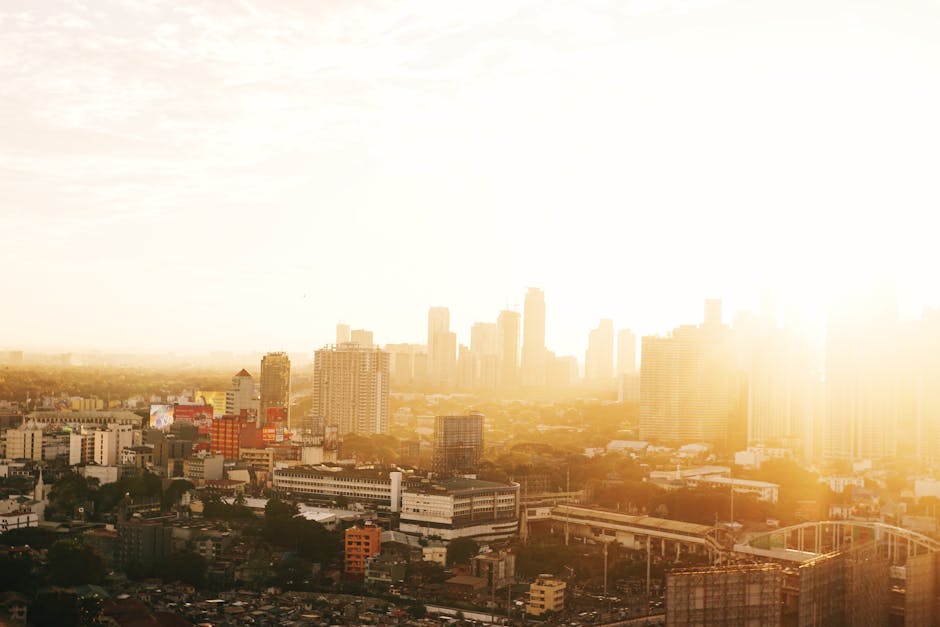
Urban Southeast Asia in 2026: Rethinking Skincare for a Uniquely Stressed Climate
Urban Southeast Asia in August 2026 is grappling with chronic environmental overload—a relentless medley of fine particulate pollution (PM2.5), extreme heat entwined with high humidity, and persistently excessive UV exposure. Despite modest improvements in recent years, the majority of Southeast Asian megacities still exceed health-protective thresholds, making the daily search for skincare for humid climate not just a preference, but a survival strategy.
For the region’s climate-aware, skincare-literate audience—those who experience the agony of “oily but dehydrated” skin, sporadic sensitivity, pigment flares, and premature aging—the one-size-fits-all routines and heavy Western occlusives continue to fall short. Instead, the demand is for brands that offer lightweight sunblock southeast asia, intelligently layered routines, and products designed with environmental science at their core.
This article distills the latest ecosystem trends and strategic opportunities for firms and individuals alike. It details why a paradigm shift—in both product and content—is overdue, and what “future-proof” skincare really means for those living in the tropics.
Key Trends and Strategies
1. Persistent PM2.5 Pollution: Everyday Barrier Erosion
Recent air quality data underscore that major cities frequently remain in the “unhealthy” PM2.5 range, with annual averages for Indonesia (~30 µg/m³), Vietnam (29.7 µg/m³), and Thailand/Cambodia (~3.6× the WHO limit) [1][3][6][7]. Dermatology research directly links chronic PM2.5 exposure to heightened sensitivity, barrier disruption, dullness, pigmentation, and sebum oxidation, resulting in the classic oily-dehydrated Southeast Asian skin profile.
Strategy: Pollution-Adaptive Barrier Systems
For AURA, positioning revolves around modern “anti-pollution” technologies: from lightweight film-formers that remain breathable in 82% humidity, to chelator and antioxidant cocktails (think ethyl ascorbic acid, ectoin, pollution-combatting peptides), and barrier-respecting cleansers that wash off urban grime without stripping.
This is not just about “anti-aging serum humid climate,” but about engineered resilience—shielding skin from the daily, local environmental onslaught.
2. Heat & Humidity: The Southeast Asian Skin Gauntlet
Equatorial cities like Singapore average 82% humidity, making sweat evaporation inefficient and exerting unique physiological and dermatologic stress. In this regime, heavy occlusives cause more harm than good, exacerbating micro-inflammation, follicular occlusion, and sensitivity to actives and fragrances [5][12].
Strategy: Thermal-Intelligent Textures
Brands must take pride in gel-serum architectures (see Korean Japanese skincare tropical skin) that support actives delivery without sticky residue. Humectants like glycerin, betaine, and ectoin deliver hydration without creating films that trap sweat. Routines must champion soothing gel for redness humidity and modular layering—stacking ultra-thin, non-comedogenic levels that can be tailored to daily heat index and UV readings.
3. UV Exposure: The Photo-Pollution Double Hit
Southeast Asia’s cities experience near-daily “high” to “very high” UV index readings year-round, compounding the oxidative stress from pollution and accelerating photoaging, pigmentary disorders, and sensitivity—especially in skin of color (Fitzpatrick III–V) [9][15].
Strategy: Photo-Pollution Dual Defense
The new mantra: sunscreen is infrastructure, not an afterthought. Formulas must be broad-spectrum, photostable, sweat-compatible, and proven to last in humidity—making best sunscreen humid weather a daily essential. These should always be paired with targeted daily antioxidant serums and “urban exposure correctors,” not just generic brighteners, for complete protection.
4. Environmental Plateaus: Chronic Stress with Sporadic Spikes
While 2025 saw a “milestone improvement” (all SEA countries under the WHO interim PM2.5 target), no major city met the strict 5 µg/m³ guideline, and haze events still drove acute spikes above safe thresholds [4][7][14].
Strategy: Routine as Infrastructure
Skincare routines must be engineered for non-linear pollution and UV trajectories. Rather than single “emergency” fixes, modular sets—cleanser, hydrating gel, climate-adaptive sunscreen, and stress-specific add-ons—sustain the barrier and adapt to sudden environmental changes.
State and Recommendations
- Formulate for Reality, Not Lab Conditions: Benchmark every system against actual PM2.5, UV, and humidity data for Southeast Asian cities (see here).
- Prioritize Lightweight, Breathable Systems: Ditch heavy occlusives in favor of gel-serums, breathable films, and light humectants for optimal serum for oily dehydrated skin.
- Champion Modularity: Develop modular routines—core daily routines with targeted stress add-ons (e.g., antioxidant serum on haze days or soothing gel for redness humidity after heatwaves).
- Integrate Environmental Literacy into Storytelling: Use city-specific AQI, UV, and humidity data in consumer communications to establish trust and local relevance.
- Lead with Climate Adaptation: Position your offering as the only logical choice for “repair skin barrier humidity,” “anti aging serum humid climate,” and “best sunscreen humid weather,” rather than simply cleaner or safer versions of Western products.
- Build Flexible Layering Guides: Provide detailed heat-index-aware layering routines to help consumers personalize their use based on daily weather and pollution updates.
- Showcase Formulation Intent: Clearly communicate why every ingredient and structure (from korean japanese skincare tropical skin to local innovations) is chosen for humid, polluted, and high-UV environments.
Summary Comparison Table
| Approach | Heavy Occlusive Western Products | Breathable Layered Systems (AURA/SEA-tailored) |
|---|---|---|
| Formulation Logic | Dense occlusives, designed for cold/dry climates. Often stifles Southeast Asian skin, traps sweat, increases breakouts & redness. | Lightweight, modular layers (gels/serums/films) engineered for heat, humidity, and pollution. Supports skin’s dynamic needs, barrier-first. |
| Skincare Philosophy | Trend-driven, one-off fixes (e.g., “for oily skin” only). | Purposeful, climate-adaptive logic—routine as daily infrastructure against chronic and acute environmental stress. |
| Impact Over Time | Short-term smoothing but risk of barrier compromise, comedones, and pigment flares. | Long-term barrier resilience, pigment evenness, and adaptive support for sensitivity and oil-water imbalance. |
Audience Segmentation: Challenges & Strategic Opportunities
1. Climate-Aware Skincare Users
Challenge: Frustration with “universal” formulations and the lack of products tuned for the extremes of their daily environment.
Opportunity: Provide real-world science—“this serum is calibrated for Jakarta/Hanoi/Manila PM2.5 and humidity”—and empower users to build resilient routines.
2. Sensitive / Compromised Skin
Challenge: Pollution and heat-triggered barrier fragility, reactivity, and persistent redness.
Opportunity: Focus on biomimetic surfactants, low-irritant buffers, and pollution-validated film-formers that sooth and restore—ideal for repair skin barrier humidity.
3. Oily-Dehydrated, Combination, and Reactive Skin Types
Challenge: Heat, humidity, and pollution drive oxidized sebum, microcomedones, surface shine, but internal tightness and dehydration.
Opportunity: Promote serum for oily dehydrated skin as a hero; lean into layered, ultra-breathable routines with osmolytes and anti-inflammatory support—never heavy occlusives.
4. Early Anti-Aging (25–40 Years Old)
Challenge: Early onset of fine lines and pigment due to the “environmental age” load—UV + PM2.5 + heat.
Opportunity: Reframe “anti-aging” as environmental age insurance: daily anti aging serum humid climate, UV-pollution defense, and pigment-stabilizing antioxidants as long-term protection.
5. Urban Southeast Asia Broadly
Challenge: Daily exposure to a combination of environmental insults rarely matched elsewhere.
Opportunity: Use AQI, UV, and humidity data in storytelling—showing the objective intensity of their skin’s daily reality versus Western metros. Position AURA as the only platform built for the Southeast Asian environment, not despite it.
Comparison Segment
- Climate-aware users seek education and custom logic; sensitive types demand minimalism and barrier focus.
- Oily-dehydrated and reactive skin crave breathable, hydrating layers; early anti-aging users want proactive, cumulative defense.
- All segments reject heavy, trend-driven formulas and seek systemic, climate-calibrated routines.
“Even with policy progress, your daily reality is still high PM2.5, high UV, and high humidity heat—a combination that no legacy Euro-centric formulation playbook was built for.” (source)
Conclusion: From Awareness to Action—The Future of Southeast Asian Skincare
The environmental reality of urban Southeast Asia in 2026 demands a wholesale rethink of skincare—not as piecemeal remedies, but as resilient daily infrastructure for barrier health. Brands that fail to transition from trend-driven, Western-centric template will rapidly lose relevance: the new gold standard is evidence-backed, climate-calibrated, and modular—built for routine, not reaction.
Looking ahead, consumers will increasingly expect brands to anchor every formula and claim in real-world AQI, UV, and humidity data. The most successful innovations will come from those who combine scientific rigor with local insight, offering products like lightweight sunblock southeast asia, soothing gel for redness humidity, and anti aging serum humid climate as integral, systemized solutions. As environmental stressors show no sign of abating, the winners will be those who make climate adaptation and barrier resilience the new foundation of beauty in the tropics.