
The Best Digital Tools For Tracking Domestic Helper Leave And Performance In Singapore: A Complete Guide For Households
Smarter Helper Management in Singapore: Digital Tools, Strategic Fit, and Cost Control for Busy Households
For Singapore families and household decision-makers, hiring a domestic helper is about much more than “find maid in Singapore.” It is a strategic process that affects daily operations, family well-being, and often household finances. Whether your priority is infant care, elder care, general household support, or a mix of needs, the practical difference between finding the right helper and simply hiring an available worker is vast. Employers are increasingly turning to digital solutions for helper management, from leave and salary records to task coordination and performance review. However, technology is most effective when combined with clear agreements, respectful communication, and compliance with Ministry of Manpower (MOM) requirements.
Today, forward-thinking families want to save money on household expenses Singapore while ensuring their maid in Singapore is properly managed. They are time-conscious, budget-minded, and expect unbiased guidance on insurance options like maid insurance Singapore, fire insurance Singapore, household insurance Singapore, and the best ways to reduce unnecessary costs. This article outlines how structured digital tools, fair performance review, and strategic employment practices can deliver more value to both employer and helper.
Key Trends and Strategies in Singapore Helper Management
1. Shift from Informal to Structured Operations
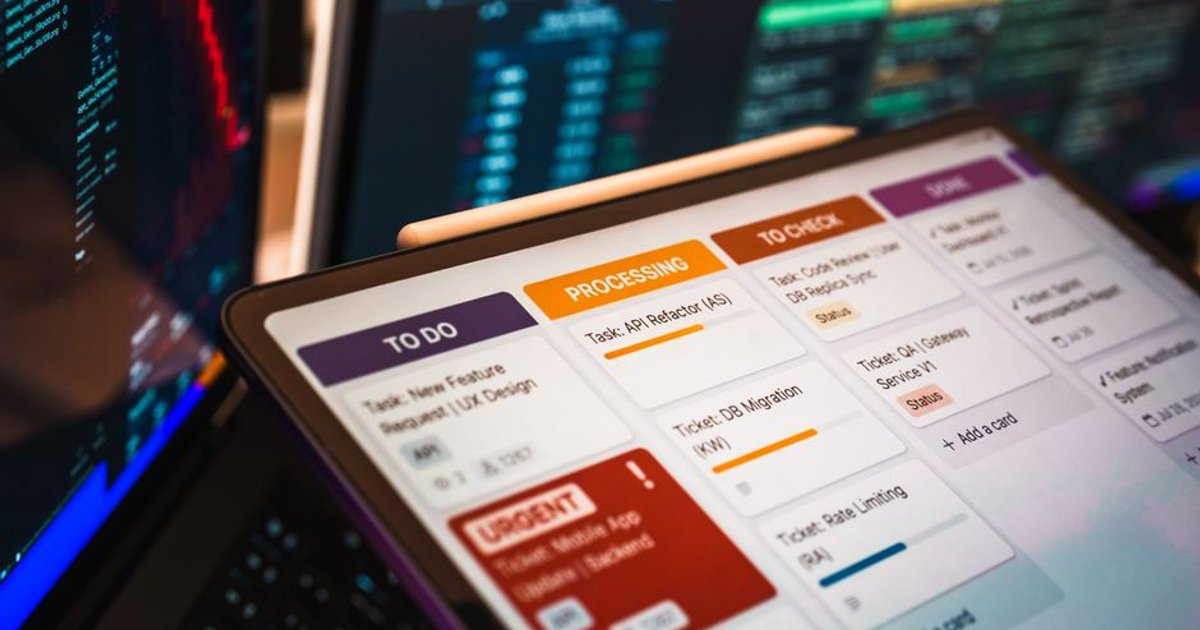
Historically, many families managed helpers through informal WhatsApp chats or paper lists. As household responsibilities have grown more complex, the trend is toward leveraging digital tools. For instance, helper leave is tracked in a shared calendar, recurring tasks are listed in task apps, and performance discussions rely on written objectives. Employers combine Google Calendar for leave and appointments, Microsoft To Do or Todoist for chores, and secure folders for employment contracts and emergency contacts.
2. Legal Compliance and Helper Well-being
The legal landscape for domestic helper Singapore is unique. Helpers are governed under the Employment of Foreign Manpower Act framework, not the standard Employment Act. Employers must track distinctions between rest days, annual leave, medical leave, and overseas leave in accordance with MOM guidance. For example, rest day compensation must be recorded using recommended calculations, and at least one non-compensable rest day each month is mandatory.
3. Digital Records as Evidence and Efficiency
Misunderstandings over leave approval, workload, or salary payment can quickly escalate. A digital record protects both parties by clarifying agreed terms and responsibilities. For instance, a calendar entry like “Rest day, 1 p.m. to 7 p.m., agreed on 3 June” is more helpful than vague or accusatory statements. This clarity helps households avoid compliance issues and reduces last-minute disruptions in childcare or eldercare.
4. Tailored Tools for Diverse Household Needs
No one app replaces careful management. The strongest approach is to use different tools for distinct purposes: a calendar for leave tracking, a task manager for chores, a secure document folder for sensitive records, and periodic written reviews for helper performance. Specialised platforms, while helpful, may involve subscriptions or unclear privacy practices. General productivity apps are often cheaper, but require employers to design their own workflow.
5. Cost Control and Insurance Considerations
Using digital tools to streamline helper management can indirectly reduce household expenses. Families using a disciplined system avoid redundant purchases, missed appointments, and unnecessary agency fees. However, overspending on digital platforms or over-insuring can quickly erode savings. Smart employers compare maid insurance Singapore options with household needs and only purchase the coverage required, avoiding both under-insuring and excessive premiums.
State and Recommendations for Singapore Households
- Always establish a clear written employment agreement before using any digital management tool. Define duties, leave, salary, emergency contacts, and privacy expectations.
- Use a two-layer digital system: operational (tasks, care, calendar) and governance (contracts, leave, salary, review notes). Do not mix sensitive documents into open task boards.
- Choose the simplest, lowest-cost digital tool that solves your primary household challenge, whether it’s leave compliance, infant care, eldercare, or task allocation.
- Conduct a two-week trial with any new system and adjust if it increases administrative work.
- Review helper performance weekly using factual notes and agreed categories: reliability, quality, care, and communication. Avoid subjective labels.
- Segment your approach. For condominiums: use secure cloud-based tools with care routines if multiple family members are involved. For HDB/public housing: focus on basic checklists and calendar reminders. For private housing: combine detailed records with household handbooks if multiple helpers or complex routines are in place.
- Always consult official MOM rules for leave, salary and well-being. The app is a record, not an authority.
- Choose insurance based on actual risk and coverage. Compare comprehensive versus cheapest options for maid insurance Singapore, fire insurance Singapore, and household insurance Singapore.
- Save money on household expenses Singapore by avoiding unnecessary subscriptions, redundant insurance, or inefficient task allocation.
Helper Fit vs Availability: Strategic Decisions for Singapore Employers
| Factor | Finding the Right Helper | Simply Finding an Available Helper |
|---|---|---|
| Live-in vs Part-time | Strategic for complex routines and long-term continuity | May suit basic chores or temporary needs |
| First-time Helper vs Experienced | Experienced often matches specialised care, but attitude matters equally | Availability may mean a mismatch in expectations or skills |
| Skills vs Attitude | Attitude and adaptability often outweigh technical skill in household fit | Focus on resume alone can miss soft skills |
| Cultural Fit vs Resume Fit | Cultural fit promotes harmonious living and communication | Resume fit risks friction if values or habits clash |
| Infant Care vs Elder Care vs General Household Care | Segment helper search by actual care needs | General-purpose helpers may lack specialised training |
| Agency vs Direct Hire | Agency provides compliance support but may cost more | Direct hire can save money but requires careful management |
| Premium Agency vs Standard Agency | Premium offers onboarding, guarantees, and training | Standard focuses on placement, often lower fees |
| Higher Salary vs Better Overall Fit | Better fit can reduce turnover and hidden expenses | High salary alone may not solve compatibility issues |
| Short-term Trial Mindset vs Long-term Relationship | Long-term stability helps manage household changes | Short-term mindset risks repeated recruitment and disruption |
| Employer Responsibilities vs Helper Expectations | Clear communication and agreement reduce disputes | Unclear roles lead to misunderstandings |
| Comprehensive Insurance vs Cheapest Insurance | Comprehensive protects family, helper and property | Cheapest may leave gaps or increase liability |
| Over-insuring vs Under-insuring | Balance coverage with actual risk | Both can increase expense or risk |
| Household Convenience vs Household Cost | Convenience justifies reasonable investment | Cost-cutting should not undermine operations |
| Saving Money vs Cutting Corners | Efficiency and prevention deliver sustainable savings | Corner-cutting increases risk of disruption |
Segment Challenges and Opportunities by House Type
Condominiums: Multi-level homes, frequent employer travel, and multiple family members present coordination challenges. Digital tools must balance privacy (security controls for sensitive documents) with accessibility (leave calendars and care routines shared across devices). Opportunities include automating routine tasks and efficiently scheduling substitute care when the helper is on leave.
Private Housing: Larger homes often involve multiple helpers or extensive duties spanning infant care, eldercare, and household support. The main challenge is workload planning and avoiding conflicting instructions from different household members. Opportunities include establishing household handbooks in tools like Notion, structured onboarding, and performance review systems.
HDB/Public Housing: Space constraints typically reduce complexity, but routines may involve working parents with shifting schedules, school commitments, and urgent childcare. The focus should be on practical checklists, calendar reminders for rest days and medical appointments, and basic document storage for contracts and emergencies. Opportunities include keeping digital costs low while maximising helper support.
In every segment, the priority should be clear, shared records and realistic workload design. Overcomplication through excessive app usage or reporting can undermine efficiency.
“The central recommendation is straightforward: use technology to make agreements visible, not to intensify control. When expectations, legal responsibilities, and workload are clearly defined, the right app becomes an administrative aid, not another complexity.”
Conclusion: Strategic Helper Management for Better Household Outcomes
As Singapore households become more complex and expectations of helper management rise, the ability to “find helper in Singapore” that truly fits your needs hinges on structured, fair, and compliant practices. Leveraging digital tools for leave, task coordination, and performance review can reduce hidden costs, improve care, and enhance household harmony. However, technology alone cannot replace clarity of agreements, respect, or adherence to MOM requirements.
Going forward, the best Singapore employers will focus on fit, fairness, and cost control, not just hiring speed or app sophistication. New digital solutions will likely arise to support integrated helper management, but their value will depend on clear operating policies, insurance that matches risk, and monthly review routines. The result will be homes that are more resilient, efficient, and able to save money on household expenses Singapore, without cutting corners or sacrificing well-being for cost.
For those ready to optimise operations, the journey starts with honest assessment, proper segmentation (by household type and need), and the discipline to combine technology with thoughtful management. The future of helper management in Singapore will reward households who balance convenience, compliance, and care with practical, unbiased decision-making.