
Unlocking 30% Customer Lifetime Value: How Digital Loyalty Apps Are Revolutionizing Malaysian Coffee Chains In Kuala Lumpur, Petaling Jaya & East Malaysia
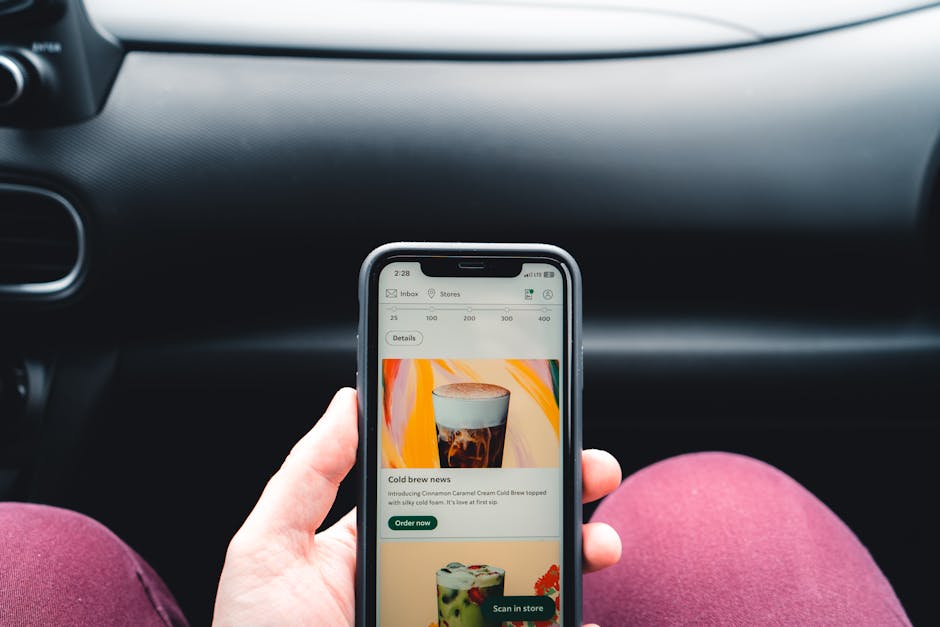
The Loyalty Revolution: How Digital Apps Are Reshaping Malaysia’s Coffee Culture
In the heart of Malaysia’s bustling cities, the aroma of fresh coffee once mingled with the clatter of porcelain cups and the friendly nod of the “kopitiam uncle” behind the counter. These analog traditions, while steeped in nostalgia, are now undergoing a profound transformation. With the emergence of digital loyalty ecosystems and an urban coffee market set to surpass RM10 billion annually by 2026, Malaysia’s new breed of café chains—led by innovators like ZUS Coffee—are not only serving lattes but scripting a new playbook for customer loyalty, engagement, and growth. As smartphone penetration in urban centers nudges above 90%, and Gen Z’s digital appetites shape retail behaviors, the rules for winning in this once-traditional sector have changed forever.
The Market’s Digital Tipping Point
The Numbers Behind the Surge. The Malaysian coffee sector is no longer about quaint nostalgia—it's a burgeoning digital juggernaut. With 5,000+ outlets vying for a share of a market approaching US$10 billion, mobile-first experiences are taking center stage.
In urban clusters like Kuala Lumpur and Petaling Jaya, over 90% of consumers use smartphones, setting the stage for digital-first strategies that generate up to 30% higher customer lifetime value (CLV) for early adopters [source].
Gen Z’s Disruptive Expectations. The new majority—digitally-native Gen Z—no longer settles for physical stamp cards or mere transactional discounts. They crave gamified, personalized, and viral interaction loops supported by sleek, intuitive apps.
The data is compelling: coffee chains like ZUS are seeing 70% of their sales driven by proprietary digital apps, outperforming legacy players and leveraging technology for 3x engagement and CLV multipliers [source].
The Cost of Legacy: Starbucks’ Cautionary Tale. Global incumbents, such as Starbucks Malaysia, have lagged with less than 50% digital sales adoption—largely due to reliance on outdated physical cards. In contrast, local disruptors demonstrate how digital-first approaches yield 20–30% higher repeat purchases and unlock powerful viral effects.
From Kopitiam Cards to AI-Driven Apps: The Loyalty Paradigm Shift
Beyond Transactions—Building Sticky Habits. The leap from stamp cards to mobile apps isn’t merely cosmetic. Digital loyalty apps allow coffee chains to embed gamification (think “10-cup freebie” nostalgia with tiered VIP structures), AI-powered personalization (targeted offers and flavor voting), and viral growth mechanisms (social share, geo-badges tied to local festivals). These integrated experiences have delivered:
- 25% higher purchase frequency
- 40% trial-to-active user conversions in week one
- 30%+ engagement uplift over physical cards
The ZUS Coffee Blueprint. ZUS Coffee has emerged as a case study in digital loyalty done right. Their proprietary app integrates e-wallets, layered challenges, and local flavor preferences—palm sugar and durian lattes, anyone? The results: 1 million+ downloads, 4.8+ app ratings, and 40% loyalty rates among Gen Z—critical metrics for any chain seeking to dominate urban Malaysia [source].
Comparative Perspectives: Chains vs. SMEs, Urban vs. East Malaysia
Scaling Up: Custom Apps for Chains. For chains with 50+ stores, a proprietary app akin to ZUS’s model is essential for achieving scale, brand differentiation, and deep data-driven insights. The payoff is clear: chains can achieve $5–10 million in ROI and up to 3x CLV multipliers through sophisticated app-driven strategies and ecosystem integration (e.g., GrabRewards and BonusLink).
SME Playbook: Leveraging Freemium Tools. For small and mid-sized cafes, freemium platforms such as SimpleLoyalty and Mahalle App offer instant, cost-effective loyalty digitization (e.g., QR-stamp cards) with 25% frequency uplifts. These tools require minimal technical investment yet deliver measurable retention gains.
Klang Valley vs. East Malaysia: Addressing the Digital Divide. While Klang Valley, KL, and Petaling Jaya are saturated with smartphone-toting, app-hungry consumers, East Malaysia still contends with digital adoption gaps. Here, hybrid models that combine cash rewards and app-based incentives—especially at universities and festivals—help bridge the divide. Tools like Pixalink enable hyper-local campaigns aligned with cultural nuances and spending peaks.
Actionable Playbook: 8 Steps to Digital Loyalty Mastery
Step 1: CLV Audit and Segmentation. Begin by calculating your current customer lifetime value (CLV) using POS data—especially focusing on the top 20% of your clientele. Low baseline? Digital can often triple your CLV, particularly in urban clusters [source].
Step 2: Platform Selection. Custom for big chains; freemium for SMEs. Evaluate providers by feature set, integration ease, and market fit.
Step 3: Embed Gamification. Launch tiered progression, reward nostalgia, and create challenge-driven engagement loops.
Step 4: Streamlined Onboarding. Use in-store QR codes, abundant early-stage rewards, and staff training for a 40% conversion rate in week one.
Step 5: Personalization and Localization. Pilot new flavors with in-app voting; use AI nudges to drive repeat purchases.
Step 6: Infectious Social Loops. Integrate TikTok/Instagram APIs, geo-badges, and FOMO campaigns tied to national festivals.
Step 7: Regional and Omni-Channel Campaigns. Adapt for both urban digital and hybrid cash-app environments, optimizing for local momentum.
Step 8: Scale and Measure. Use app-driven stores as testbeds, monitor CLV quarterly, and pivot if growth falls short.
Innovative Practices: Ecosystem Integration and Data-Driven Loyalty
The Superapp Advantage. Standalone apps risk isolation; integrating with ecosystem partners—like GrabRewards—unlocks cross-sell and viral reach. With 90%+ of Malaysians using e-wallets, these connections are no longer optional.
Data Science for Predictive Retention. Chains leveraging AI within apps report 82% repeat purchase influence and churn prediction rates exceeding 85%—turning loyalty data into actionable business intelligence.
Gamification Goes Local. From “10-cup freebie” progressions to durian latte flavor votes, Malaysian coffee chains are localizing gamification for cultural fit—a strategy that outpaces Western import loyalty models in both resonance and retention.
Real-World Implications: Risks, Rewards, and KPIs
Risks of Complacency. Chains resistant to digital loyalty face a “legacy trap” of eroding margins and declining relevance. The digital laggard’s fate is stark: less retention, less growth, and a steady slide into irrelevance as user habits and expectations evolve.
Mitigating the Pitfalls. Adoption fatigue? Counteract with instant rewards, especially targeting Gen Z. Privacy worries? Stay PDPA-aligned and highlight high app ratings for trust. Digital divide? Blend cash-app models in less connected regions.
Key Performance Indicators to Track:
- App Downloads: Target 1M+ for chains
- Activation Rate: 50% in-store
- Engagement Lift: 2–3x over cards
- CLV Multiplier: 3x improvement
- Repeat Purchases: 20–30% uplift
- App Rating: 4.8/5+
- Digital Sales Ratio: 70% of transactions
ROI Outlook: Urban chains scaling 50+ stores can project an additional $5–10 million in returns if CLV and engagement targets are met.
Comparative Segment: Legacy Traditions vs. Digital-First Disruptors
Old Guard: The Limits of Familiarity. The kopitiam “regular” model, built on face-to-face rapport and analog stamp cards, fostered deep but narrow loyalty—contingent on personal relationships and memory.
Digital Disruptors: Data-Driven Habit Formation. Today, digital apps capture every touchpoint, automate reward delivery, enable viral network effects, and unlock loyalty at massive scale—expanding both the breadth and depth of customer relationships. The result: not just repeat business, but passionate, review-leaving, and TikTok-posting advocates.
“The battle for Malaysia’s coffee market won’t be won on taste alone—it will be decided by which chains leverage data, create frictionless digital experiences, and localize loyalty ecosystems for an always-connected generation.”
Tools and Solutions: Choosing the Right Platform
For Chains: Build or Buy? Major players should consider ZUS-inspired proprietary apps for unmatched scale and control, utilizing expert strategies documented by GrowthHQ.
For SMEs: Plug-and-Play Solutions. Simpler tools like SimpleLoyalty and Mahalle App allow instant QR-based loyalty digitization with minimal setup time—a lifeline for smaller cafes seeking quick wins.
Pixalink’s localized campaign manager and StoreHub’s retail suite (POS-loyalty-inventory integration) round out the market’s most actionable options.
Ecosystem Integrations. No chain—no matter how large—should ignore integration opportunities with e-wallet superapps (GrabRewards, BonusLink) to tap into new audiences and leverage viral network effects.
Forward-Focused Trends: The Next Digital Loyalty Wave
Web3, AI, and the Era of Experience. By 2026, the sector will see explosive growth in AI-powered personalization, predictive analytics, and Web3-enabled digital badges—turning loyalty into a living, evolving customer passport. Early movers integrating proprietary strategies and ecosystem partners will lead as the market expands at 16.2% YoY [source].
Continuous Experimentation. Top chains will operate their own “app testbeds,” rapidly iterating on offer structures, gamification, and hyper-local content—measuring impact by the only North Star that matters: CLV.
Conclusion: The Strategic Imperative for Malaysian Coffee Chains
The transformation underway in Malaysia’s coffee sector is not a passing trend—it’s a permanent reconfiguration of how cafes attract, nurture, and monetize lifelong fans. Legacy approaches anchored in nostalgia must give way to digital ecosystems built on data, frictionless UX, and viral storytelling. Proprietary apps will empower major chains to leapfrog global incumbents, while freemium models create parity for smaller players. Inaction is not an option: chains that hesitate will cede ground not just to local disruptors but to a new generation of always-connected, experience-hungry consumers.
Our firm stance: The future of coffee in Malaysia belongs to those who claim the digital loyalty frontier today—blending culture, technology, and data-driven engagement to brew not just better coffee, but better customer relationships. Decision makers should begin their CLV audit now, select the right platform, and integrate into Malaysia’s fast-evolving digital ecosystem to secure both market share and cultural relevance in 2026 and beyond.