
Violent Student Protests In Paris And Across France Force School Closures And Ignite National Crisis
France on Fire: Student Protests, National Discontent, and the New Wave of Civil Unrest
In a world gripped by rapid political, technological, and social transformation, France is once again at the epicenter of rebellion. Recent weeks have seen fires blazing across French streets, with student-led protests forcing the closure of hundreds of schools and drawing sharp lines between youth, authorities, and the broader society. This uprising is more than a fleeting disruption; it is a window into the simmering anxieties and aspirations of a generation demanding change. As protestors clash with riot police, and schools shutter in the face of mass demonstrations, France confronts a crisis that transcends its borders, echoing the historic revolts of 1968 while signaling unique threats and opportunities in the digital age.
The Anatomy of a Youth-Driven Rebellion
Historic echoes in a modern context. France has long been a barometer of social discord and reform. The May 1968 protests, led by students and later joined by workers, nearly brought down the government and triggered cultural transformation. Today’s uprisings, chronicled by worldwide media such as BBC and CBS News, reveal similar energy but stem from issues unique to the 21st century: disillusionment with education reform, economic precarity, and the perceived failure of democratic processes to address youth concerns.
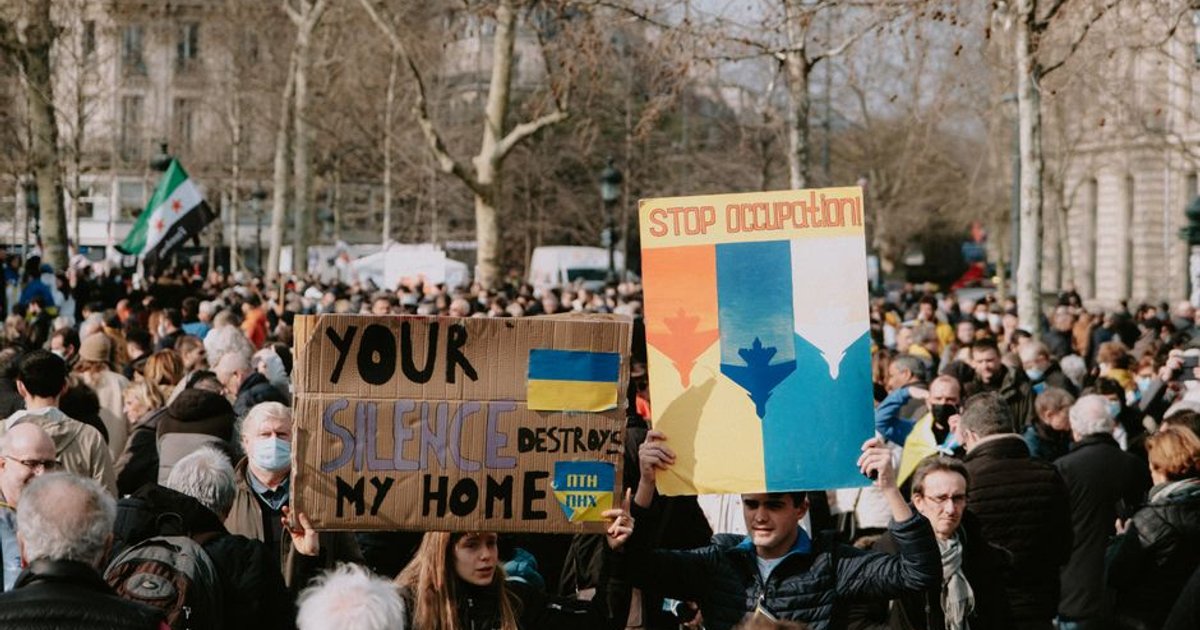
Education as the battleground. The current wave, described by CBS News as involving "violent clashes" and school closures, spotlights the deep malaise within the educational system. Hundreds of high schools have shut their doors amid mounting protests, with images of burning barricades and tear gas clouding cities from Paris to the provinces. Students, utilizing social media for organization and amplification, are not only challenging curriculum changes but voicing broader demands about opportunity, representation, and the role of the state.
Escalating violence and state response. Unlike previous labor or pension protests, this movement is marked by intensity and unpredictability. Riot police routinely face off with crowds of teenagers, leading to mass arrests and injuries, as reported by The Guardian and the Financial Times. Fires set in streets, vandalism, and direct confrontations indicate a level of frustration and alienation that challenges the authority not just of educators, but of the state itself.
Strategic Shifts and the Evolution of Protest Tactics
The digital playbook. Today's student activists operate in a vastly different landscape than their predecessors. Where once protests relied on flyers and word-of-mouth, now encrypted messaging apps and hashtags serve as the lifeblood of coordination. Real-time sharing of police movements, protest points, and legal advice makes the movement nimble and resistant to the traditional tools of suppression.
Decentralization and leaderless resistance. Inspired by global movements like Occupy and recent climate strikes, French students emphasize decentralized organization. Rather than rallying behind charismatic figures, they opt for fluid structures, making the movement harder to co-opt or dismantle. This approach amplifies inclusivity but can also lead to strategic disarray, as seen in the sometimes chaotic escalation of violence and protest aims.
Media amplification and international solidarity. With every confrontation livestreamed and every slogan trending, the protests have become a global spectacle. International media and social networks spread the narrative, inviting solidarity demonstrations abroad and increasing the pressure on French authorities to respond transparently and reform rather than repress.
Implications: France’s Crisis as a Harbinger for the World
Education policy under the microscope. The closure of hundreds of schools is not just a logistical headache; it is a stark indicator that the current educational model faces existential scrutiny. The students’ demands range from curriculum content to questions of equity, mental health, and future employability. As CNBC highlights, this is rapidly becoming "France's next big crisis," forcing policymakers to reconsider not just immediate reforms, but the philosophical underpinnings of education in a post-pandemic, digitally-driven era.
Risk of democratic backsliding. The government response has veered between negotiations and heavy-handed policing. The pattern is not unique to France; worldwide, democracies are wrestling with how to maintain public order without undermining civil rights. The use of riot police and mass arrests, while intended to deter violence, risks fueling a cycle of mistrust and radicalization.
The generational trust deficit. At its core, this conflict reflects a growing gap between young citizens and institutions. The students' sense of betrayal is sharpened by experiences of insecurity and exclusion. If left unaddressed, these ruptures could have cascading effects, from electoral volatility to a permanent estrangement from civic life. According to Financial Times, such unrest portends broader challenges to social cohesion and state legitimacy far beyond French borders.
Comparative Perspectives: France and the Global Spectrum of Protest
France’s protest culture versus others. France is renowned for its protest culture, with regular strikes and demonstrations seen as a foundational democratic right. Yet, the current student-led unrest stands in contrast to movements elsewhere. In the United States, for example, student action often focuses on gun control or racial justice, with school walkouts and peaceful rallies rather than widespread street fires or property damage. In East Asia, as seen in Hong Kong, youth protest has often taken on a more organized and strategic guise, with deep digital sophistication but also severe legal consequences.
Differing governmental responses. French authorities historically oscillate between dialog and crackdown, reflecting the country’s republican ethos but also its vulnerabilities. In comparison, some governments move swiftly to contain unrest via surveillance, disinformation, or outright internet shutdowns. The French situation, with its global attention and relatively open debate, offers both cautionary lessons and models for resilience in pluralistic societies.
Role of social media and the global narrative. In most countries, social media serves as both a catalyst and a risk factor, enabling rapid mobilization but also spreading misinformation or exacerbating violence. The French protests underscore the dual-edged nature of digital tools and the growing imperative for both accountability and digital literacy among protestors and governments alike.
Broader Fallout: Economic and Social Ramifications
Lasting impact on education and urban life. The immediate closure of hundreds of schools disrupts education for tens of thousands of students. The effects may linger, especially for marginalized youth who rely on school not just for learning but for stability and meals. City centers, already strained by inflation and post-pandemic recovery efforts, see commerce and tourism dampened by images of unrest.
Long-term policy pivots. Government will be compelled to revisit policy not just in education, but in policing, urban planning, and youth employment. The risk of a “lost generation” is more than rhetoric if opportunities are not expanded and trust restored.
Societal polarization. As clashes intensify, divisions within French society harden. Some see the protests as a legitimate cry for justice, others as lawlessness that must be suppressed. The media and political elite play pivotal roles in shaping these narratives, often amplifying tensions for electoral gain.
"The fires burning in French streets today are not merely the product of anger but of unmet promises and possibilities, demanding not only immediate reform but a reimagining of what social contract binds citizen and state in a digital era."
Innovation Amid Unrest: Tactical Shifts and Lessons for the Future
Adapting to digital realities. Both protestors and authorities are learning in real time how new technologies shape urban unrest. While police deploy drones and AI-driven analytics to monitor crowds, activists use VPNs, encrypted chats, and real-time mapping to outmaneuver traditional control. The next wave of protest will likely see even more sophisticated tactics, raising questions about privacy, state power, and the ethical use of technology in the public square.
Potential for positive transformation. While street violence dominates headlines, many inside and outside France see hope in the energy and creativity of youth movements. Schools and local governments experimenting with participatory budgeting, digital literacy programs, and student-led curriculum development may find that today’s chaos seeds tomorrow’s renewal.
Looking Forward: Strategic Choices and the Stakes Ahead
Institutional adaptation is crucial. The events unfolding in France are not isolated but symptomatic of a deeper realignment across developed democracies. For policymakers, educators, and civil society, the challenge is to adapt institutions to new forms of civic engagement and dissent, rather than simply repress or ignore them.
Renewal or rupture? Whether France can transform crisis into opportunity will depend largely on the willingness of all stakeholders to engage in genuine dialogue, embrace innovation, and prioritize social cohesion over short-term control.
International implications. As these fires burn, governments worldwide watch closely, mindful that unrest in France has often foretold broader waves of change. From adjustments in education policy to new models of youth participation, the choices made in the months ahead will reverberate far beyond French borders.
Conclusion: The Burning Questions That Remain
France’s current student protests are a clarion call, one demanding attention not only to the specifics of educational reform, but to the broader architecture of citizenship, opportunity, and trust in 21st-century society. The fires lighting French streets today illuminate both the dangers of neglect and the possibilities of renewal. If the nation’s leaders, educators, and youth can transform anger into action and protest into policy, France could once again serve as a beacon for constructive dissent and innovation. Failing that, the risk is clear: deeper polarization, lost potential, and a potent lesson for societies everywhere about the urgent need to listen to, and learn from, the voices of their young.