
2026 Singapore Property Market: Affordable Family Homes In Tengah, Tampines & Bayshore – Why Now Is The Best Time To Upgrade
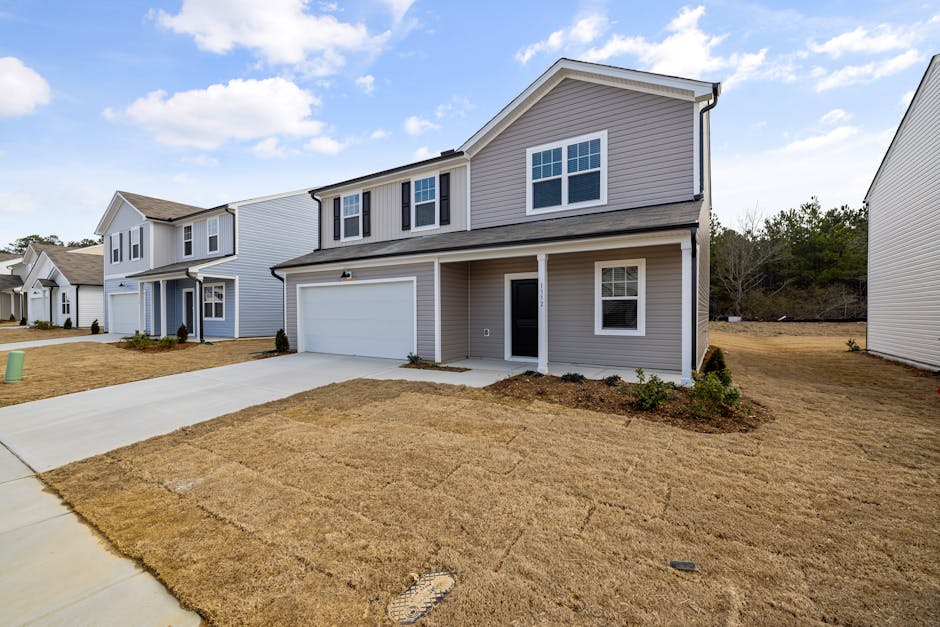
Singapore Property Market 2026: A Shift Toward Family-Friendly Homes and Accessible Upgrades
As Singapore’s property market transitions in 2026, household managers and upgraders find themselves in a landscape vastly different from the premium-driven days of 2025. With a noticeable return to larger, family-sized units at approachable price points, especially in the heartland regions, the market sets the stage for more strategic household decisions—including those tied to how you find maid in Singapore, budget for domestic help, and optimize your living arrangements.
This article offers actionable guidance for financially aware household managers navigating these changes. GoodHelp’s readers, responsible for sourcing reliable helpers, managing domestic routines, and making informed decisions about mortgages and upgrades, will find practical insights and comparisons tailored to their needs.
Key Trends and Strategies in Singapore’s 2026 Property Market
1. Family-Friendly Housing Returns to the Forefront
In 2026, the market pivots decisively toward family-sized units in the Outside Central Region (OCR), with areas such as Tengah, Tampines, and Bayshore seeing 65% of new launches. Notably, projects like Canberra Crescent Residences keep three-bedroom units between $1.6–$1.9 million, while Springleaf Residence in District 26 offers similarly sized units for $1.9–$2.1 million. This marks a shift from the compact “2+Study” offerings that previously limited families and those seeking to find maid in Singapore with adequate quarters.
2. Less Pressure, More Negotiation Power
With private home completions expected to rise from 5,200 units in 2025 to 7,000 in 2026, buyers now have the advantage. New launches are declining from 26 projects to just 17, easing the artificial scarcity that once drove urgency. This shift allows household managers extra breathing room to negotiate. Prices are forecasted to grow at a steady pace, rather than surging—as they did in the post-pandemic spike.
3. Segmentation by House Type: Challenges and Opportunities
Condominiums: Upgraders targeting condos benefit from increased stock and more flexible negotiation. However, finding suitable helper arrangements (live-in quarters, privacy concerns) can pose challenges. The shift toward three-bedroom units means families can allocate space for helpers, improving efficiency.
Private Housing: Large landed homes are seeing more stable pricing and slower launches. Managers have more options to find maid in Singapore who can handle greater square footage and complex routines. Security and privacy are improved, but maintenance costs remain significant.
Public Housing (HDB): HDB upgraders enjoy affordable pricing and plentiful completed options, easing the transition for larger families. Challenges may include helper accommodation and slightly less flexibility in floor plan customization, but the opportunity to optimize household routines and finances is strong.
State and Recommendations for Household Managers
- Wait for Completed Stock: Take advantage of the increased inventory in March 2026 by viewing finished properties rather than rushing into new launches.
- Prioritize Three-Bedroom Units: These offer better space for families and live-in helpers, especially as you find maid in Singapore willing to settle into a stable domestic environment.
- Negotiate Confidently: With less urgency and more balanced supply-demand, buyers can negotiate for better terms, including helper quarters, maintenance contracts, and trial periods.
- Review Household Routines: As floor plans grow larger and more functional, optimize domestic management—from laundry zones to helper workflows—for maximum efficiency.
- Use Financial Tools: Budget for mortgage upgrades and helper hiring with stable pricing and less risk of sharp spikes.
- Explore Flexible Contracts: Consider trial or shorter contracts for new helpers, particularly in larger homes, to ensure fit and workflow optimization.
Comparison Table: Domestic Helper Options
| Aspect | Live-in | Part-time | First-time Helper | Experienced Helper | Cultural Fit | Skilldepth | Attitude | Premium Services | Standard | Agency | Direct Hire | Contract Duration | Trial Mindset |
|---|---|---|---|---|---|---|---|---|---|---|---|---|---|
| Condos | Good space, privacy issues | Flexible, less intrusive | Learning curve, best for routine | Ready for complex tasks | Multi-ethnic blend | Specialized cleaning, cooking | Adaptable to change | Deep cleaning, childcare, tutoring | General chores | Full support, paperwork done | Direct negotiation | Long-term preferred | Useful for new routines |
| Private | Essential for big house | Cost-effective for outbuildings | Needs supervision | Manages estate | Cultural sensitivity required | Gardening, pet care | Proactive, mature | Meal prep, event support | Cleaning only | Expert matching | Lower fees, more risk | Long-term contracts | Trial essential for fit |
| Public (HDB) | Compact quarters | High flexibility | Learns family habits | Optimizes routines | Shared values, trust | General skills | Friendly, open | Personalized attention | Standard cleaning, simple meals | Paperwork, backup support | Direct hire easier | Short-term viable | Trial for fit |
Challenges and Opportunities by House Type
- Condos: Challenge—Privacy for helpers and shared amenities. Opportunity—Flexible space for routines and premium services.
- Private: Challenge—Maintenance and supervision. Opportunity—Enhanced workflow and property management expertise.
- Public Housing: Challenge—Helper quarters, limited flexibility. Opportunity—Affordable upgrades, streamlined routines, and community support.
Comparison Segment
While condominiums offer more lifestyle options and privacy concerns for those who find maid in Singapore, private homes present unique opportunities for skill depth and higher-tier services, albeit with maintenance complexities. Public housing remains the optimal choice for budget-conscious families, balancing affordability with practical routines and community support. The type of helper arrangement and contract—from agency-supported long-term hires to direct trial-based setups—should align closely with household needs, space, and financial priorities.
“With more family-sized, affordable properties in the heartlands and a stabilizing market, Singapore’s household managers now have the power to time their upgrades and domestic arrangements based on their real needs—not market panic.”
Conclusion: Strategic Timing and Future Outlook
Singapore’s property market in 2026 is not just about accessible homes—it’s about restoring control to household managers. The shift from compact units to spacious, family-sized options at moderated price points in the OCR is a boon for budget-conscious upgraders and those seeking to find maid in Singapore with stable routines and spacious quarters. With less urgency, buyers can negotiate smarter, optimize their domestic workflows, and use flexible hiring to ensure optimal helper fit.
Looking ahead, household managers should continue to monitor the balance between completed stock and new launches. As the market stabilizes, those who plan strategically will be well-positioned to enjoy not only improved living environments but also more resilient household finances and routines. The next phase may see a further diversification in helper arrangements, premium service offerings, and technology-driven workflow enhancements for both property and domestic management.
Now is the time to leverage the breathing room, choose spaces and helpers that maximize efficiency and quality of life, and confidently embrace the opportunities that the 2026 property landscape presents.