
Business Potential of Premium Fresh Meat Cat Treats in Singapore’s Pet Market
Business Potential of Premium Fresh Meat Cat Treats in Singapore’s Pet Market
Introducing premium fresh meat cat treats in Singapore presents a niche yet cautious opportunity for pet businesses aiming to leverage growing consumer interest in specialty pet nutrition. However, success depends significantly on navigating stringent regulatory requirements, substantiating product claims with robust documentation, and managing cost and logistics challenges inherent to fresh-meat pet products. Companies prepared to invest in transparent sourcing, certified manufacturing, and targeted market validation can position themselves to capitalize on Singapore’s evolving pet food landscape.
Understanding the Premium Fresh Meat Treats Segment
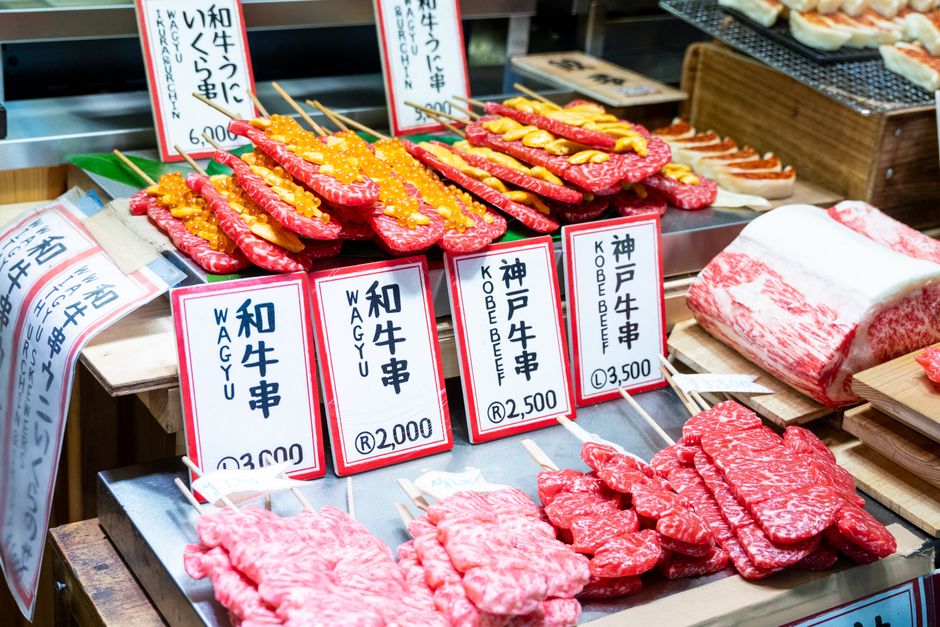
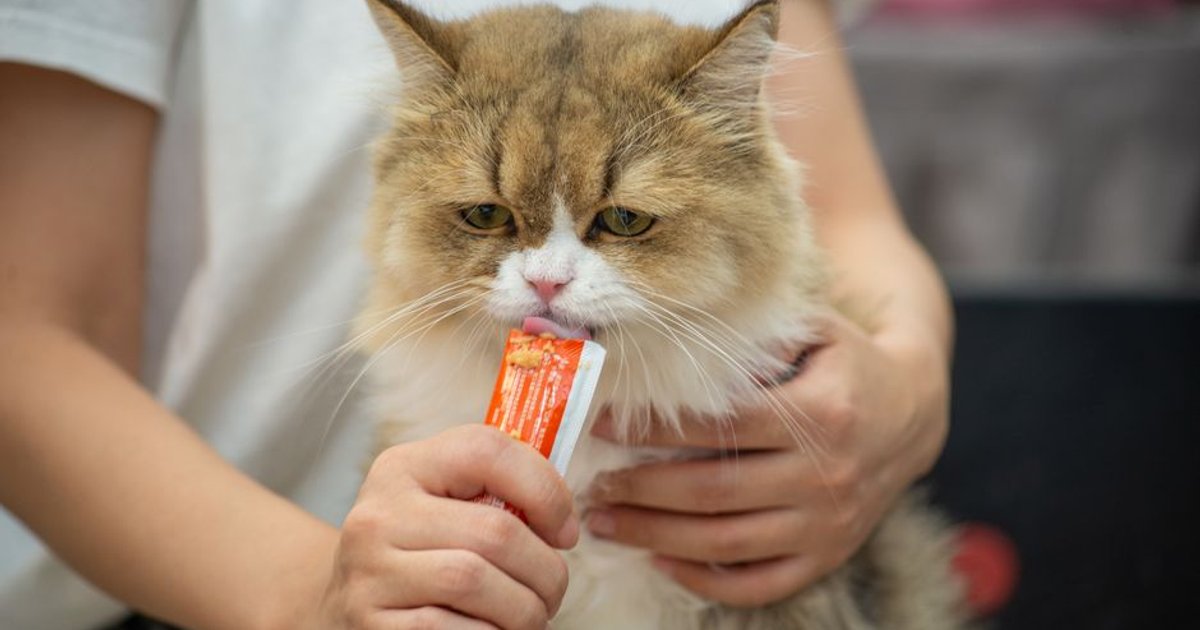
Fresh-meat cat treats are emerging globally as a premium niche within the broader pet nutrition category. They appeal to pet owners seeking high-quality, natural ingredients as alternatives to generic meat derivatives or dry snacks. However, the label “fresh meat” encompasses diverse processing and sourcing methods, ranging from freshly slaughtered and quickly chilled meat to frozen, reconstituted, or retort-processed variants. This variability directly impacts product shelf life, safety, and consumer perception.
For Singapore businesses, the concept of “freshness” in meat treats must be substantiated carefully. Claims such as “made from high-freshness meat” or “contains visible meat shreds” require product-specific proof, including manufacturer declarations, ingredient lists, moisture content, and photographic evidence. Without such verification, these claims remain unsupported and potentially misleading for consumers and regulators alike.
Regulatory Landscape and Compliance Costs in Singapore
In Singapore, the Animal and Veterinary Service (AVS) regulates all pet foods containing meat, including treats. Compliance is mandatory to avoid detention or disposal of imported goods. Key regulatory steps include:
- Obtaining a Cargo Clearance Permit (CCP) for each consignment, currently costing S$22 where applicable.
- Securing a veterinary health certificate from the exporting country for all meat-containing pet food.
- Gaining pre-import approval for products and manufacturing plants, especially if sourced from non-scheduled countries.
- Providing comprehensive supporting documents such as a signed and dated manufacturer declaration and a detailed ingredient list.
These requirements extend to online purchases from overseas platforms, with non-compliance leading to confiscation of products. Businesses must therefore integrate regulatory compliance into supply chain planning and risk assessment.
Operational and Cost Considerations for Market Entry
Launching fresh or high-moisture meat treats in Singapore goes beyond regulatory permits. The fresh-meat category incurs additional operational complexities compared to dry treats, including:
- Cold-chain logistics: Maintaining appropriate refrigeration or freezing from production to retail to preserve safety and quality.
- Shorter shelf life: Fresh treats tend to spoil faster, increasing risks of product wastage and returns.
- Testing and certification: Periodic independent checks for microbiological safety, moisture content, and contaminant levels.
- Packaging investment: Development of packaging solutions that withstand Singapore’s tropical heat and humidity while preserving product integrity.
These factors add layers of cost to product price, distribution, and retail margin calculations. Business leaders must model these expenses carefully to maintain profitability, especially when premium pricing is expected to offset higher costs.
Market Viability and Demand Insights

While the appetite for premium pet products is growing globally, the Singapore market currently lacks publicly available, up-to-date data on pet ownership levels, market size, or specific demand for fresh meat cat treats. Without recent government statistics, retailer sales data, or commissioned consumer research, assumptions about market willingness to pay or product acceptance remain speculative.
Businesses should therefore prioritize pilot launches with specialist pet retailers to gather meaningful data on:
- Repeat purchase rates
- Consumer feedback and complaints
- Spoilage rates under local climate conditions
- Price sensitivity and acceptance
This real-world insight will be essential to refine product offerings, marketing positioning, and supply chain strategies for sustainable growth.
Strategic Positioning: Credible Premium Claims
In absence of direct product-specific evidence, companies should avoid unverifiable language like “superior quality” or “high-freshness meat.” Instead, the strongest defensible positioning highlights tangible product attributes and quality assurance measures, such as:
- Named animal protein sources instead of generic “meat derivatives”
- Documented ingredient percentages and formulation transparency
- Verified production processes with traceability and safety controls
- Clear storage and expiry details tailored to Singapore’s climate
A well-substantiated claim might read: “A premium cat treat made with named meat ingredients, with documented processing, traceability, and safety controls.” This approach builds consumer confidence while aligning with regulatory expectations and mitigates risks of non-compliance or reputational damage.
Technology and Digital Transformation Opportunities

To navigate complexities and enhance operational efficiency in this niche, businesses can leverage emerging digital tools and technologies, including:
- Supply chain traceability platforms: Blockchain-based systems to authenticate ingredient sourcing and manufacturing records.
- IoT-enabled cold-chain monitoring: Real-time temperature tracking to ensure product integrity during transit and storage.
- Advanced analytics: Consumer data analysis from pilot sales to optimize pricing and inventory management.
- Automated compliance workflows: Digital permit applications and document management to accelerate regulatory approvals.
These technologies not only reduce manual errors and delays but also provide compelling points for marketing differentiation in an increasingly competitive pet products market.
Conclusion: Strategic Considerations for Singapore Business Leaders
The business case for premium fresh meat cat treats in Singapore is nuanced. While the concept aligns with rising consumer interest in natural, high-quality pet nutrition, regulatory hurdles, operational costs, and limited market data require careful, evidence-driven strategies. Companies willing to invest in rigorous documentation, compliance, and technology-enabled operational excellence can mitigate risks and unlock a defensible premium segment.
For Growth HQ’s readers, business leaders and technology professionals seeking scalable, data-led growth, the key takeaway is to anchor market entry decisions on concrete product verification, regulatory alignment, and early consumer insights. Leveraging digital transformation tools can further enhance supply chain integrity and customer engagement, positioning your business to lead in this premium niche as Singapore’s pet market continues to evolve.
References
- Animal and Veterinary Service (AVS), Singapore: Importing Pet Food Guidelines
- AVS Pet Food Import Requirements: Regulatory Overview
- Singapore Customs: Competent Authorities Requirements