
Climate-Adaptive Skincare For Jakarta, Manila, Bangkok & Beyond: How Pollution, Heat, And Humidity Are Reshaping Barrier Health In Southeast Asia
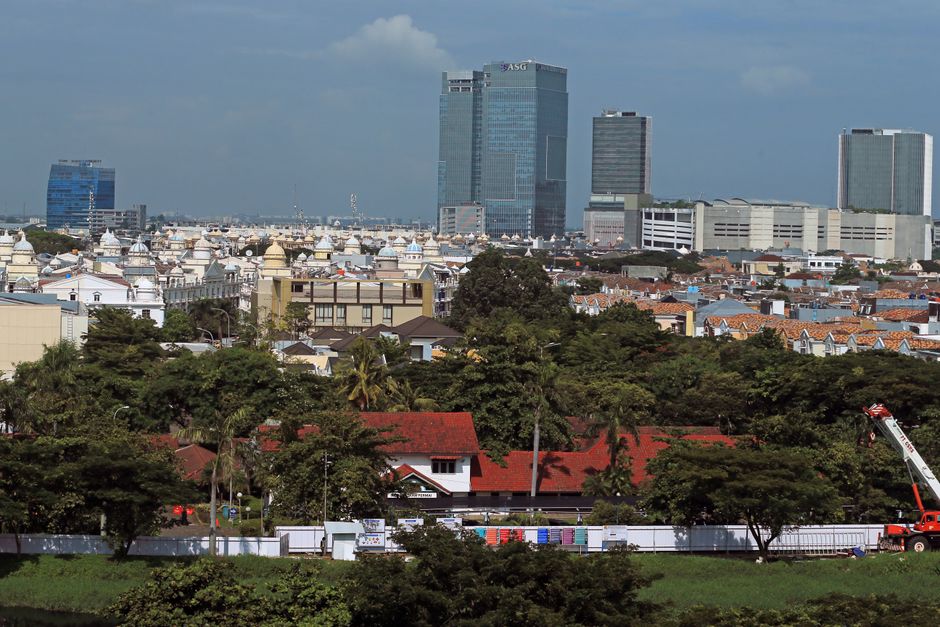
Climate-Adaptive Skincare: Rethinking Barrier-First Systems for Humid Southeast Asia
Urban Southeast Asia presents some of the world’s most challenging conditions for skin health: relentless heat, humidity oscillating between 65–95%, and pollution indices often exceeding global averages. For AURA’s audience—skincare-literate, climate-aware, and seeking clarity in chaotic environments—traditional product models (heavy occlusive creams, single-actives, Western-import routines) are increasingly obsolete. In 2026, the best skincare for humid climates means lightweight, breathable systems, resilient barrier support, and climate-calibrated actives that respond in real time to Southeast Asia’s extreme microclimate.
Those struggling with confusing skin signals—oiliness with dehydration, sensitivity with breakouts, premature aging despite diligent SPF—are experiencing direct impacts from climate change, pollution, and humidity.
This article breaks down the science, actionable strategies, and segmentation-specific opportunities shaping next-gen routines for urban SEA, including recommendations for best sunscreen for humid weather, serum for oily-dehydrated skin, repair skin barrier humidity, and more.
Key Trends and Strategies for Climate-Adaptive Skincare
Climate and Pollution as Primary Skin Drivers
Recent clinical analyses confirm that high temperature, humidity, and air pollution are now central variables in skin barrier dysfunction—not just background noise. In cities like Jakarta, Manila, Ho Chi Minh City, and Bangkok, pollution indices regularly hit 65–90, amplifying skin stress.
Heat and humidity trap sweat, foster microbial overgrowth, and trigger acne, eczema, sensitivity, and early photoaging. The best skincare for humid climate is not about heavy occlusives but breathable, layered systems that adapt to environmental flux.
From “Clean Beauty” to Climate-Responsive Systems
Climate-aware users now demand routines that recalibrate oil, humectant, and film-former levels in real time. Industry leaders recommend:
- Dropping occlusive oils by 15–50% during hot-humid months
- Increasing humectants by 30–50% for monsoon-level humidity
- Optimizing sunscreen for sweat-tolerance and pollution defense (dry-touch, lightweight sunblock for Southeast Asia)
Sensitive, Compromised, and Eczema-Prone Skin: Humidity and Pollution Aggravators
For sensitive and eczema-prone segments, humidity and pollution are proven to worsen barrier breakdown and inflammatory flares.
Recommended: soothing gel for redness humidity, microbiome-friendly low-surfactant cleansers, centella + ectoin gel serums with lightweight ceramides.
Messaging should pivot from “sensitive skin” to “humidity-triggered sensitivity and pollution-stressed barriers”—directly addressing real-world challenges.
Oily-Dehydrated and Reactive Skin: Validating Experience with Data
Research confirms that heat and humidity promote sweat retention, duct blockage, and microbiome shifts (acne pathogenesis). High humidity boosts oil production but also barrier stress, yielding oiliness with dehydration.
What works? Low-occlusive, high-humectant gel textures—glycerin, sodium PCA, hyaluronic acid—layered with light emollients. The recommended serum for oily dehydrated skin is gel-based, water-light, and humidity-stable.
Early Anti-Aging (25–40): Environmental Aging as the Main Story
Urban SEA combines continuous UV stress, pollution, and heat, accelerating wrinkle formation and pigmentation (photo-pollution stress).
AURA should position anti-aging as “photo-pollution + climate defense”—not just retinol. Day: antioxidant + barrier serum and dry-touch SPF. Night: encapsulated retinoids and peptide systems layered over non-occlusive, ceramide-rich gel creams—all designed for humid climates. Anti aging serum for humid climate must address both oxidative stress and barrier repair.
City- and Season-Tagged Variants: Adaptive SKUs for Urban SEA
Distinct pollution and humidity patterns in the region justify seasonal, city-tagged products:
- Monsoon-Light Hydrator: higher humectants, lower oil—optimized for 80–95% RH
- Dry-Season Barrier Cream-Gel: modestly increased lipid support for air-con and seasonal dryness
State and Recommendations: Actionable Guidance for Skincare Innovation
- Systemize routines: Develop 4-step, climate-adaptive routine sets (cleanser, serum, moisturizer, sunscreen) per city/season, rather than random single products.
- Prioritize barrier-first, lightweight systems: Focus on multi-humectant, non-occlusive, ceramide-rich formulations for real-world humidity and pollution.
- Integrate educational content: Link urban environmental data (UV, PM2.5, humidity) to skin signals, clarifying why oiliness, dehydration, sensitivity, and early aging coexist.
- Launch city-tagged SKUs: Offer “Monsoon-Light” and “Dry-Season” variants, communicating logic behind their design.
- Champion photo-pollution defense: Pair antioxidant-barrier serums with sweat-resistant, lightweight sunscreen—routinely recommended as best sunscreen for humid weather.
- Activate routine-builder tools: Provide quiz-based “city + skin signal” matching to deliver targeted system recommendations.
- Validate users’ skin paradoxes: Explain how climate triggers “oiliness with dehydration” or “sensitivity with breakouts,” normalizing these patterns and offering adaptive solutions.
Summary Comparison Table
| Aspect | Heavy Occlusive Western Products | Breathable Layered Systems (SEA) |
|---|---|---|
| Climate Suitability | Designed for dry, cold climates; traps heat and sweat | Lightweight, humidity-stable; prevents sweat retention and microbiome imbalance |
| Formulation Logic | Trend-driven (rich butters, occlusives); one-size-fits-all | Recalibrated oil/humectant ratios; adaptive to heat/humidity/pollution |
| Barrier Resilience | Short-term cosmetic improvements; risk of clogging/inflammation | Supports long-term barrier health; multi-humectant, ceramide, antioxidant layers |
| Routine Architecture | Isolated fixes; complex single-product focus | System-based (cleanser, serum, gel-cream, SPF); designed for layering and clarity |
Segmentation: Challenges, Opportunities, and Comparison
Climate-Aware Skincare Users
Opportunity: Systematic routines calibrated to real-world climate data (heat, humidity, pollution). Challenges: Frustration with static formulas; need for education on climate-driven skin signals. Solution: AURA’s climate-adaptive systems, quiz-based routine builders, and city-tagged SKUs.
Sensitive / Compromised / Eczema-Prone Skin
Opportunity: Formulate gel-serums with centella, panthenol, ectoin, biomimetic ceramides; microbiome-friendly cleansers. Challenges: Heavy occlusives worsen sweat and inflammation. Solution: Soothing gel for redness humidity; barrier-calming products explicitly designed for urban humidity and pollution.
Oily-Dehydrated, Combination, and Reactive Skin Types
Opportunity: Validate oiliness with dehydration as climate-driven, not confusion. Challenges: Most conventional products are too heavy or strip the barrier. Solution: Serum for oily dehydrated skin; layerable, non-occlusive gel creams with multi-humectants, humidity-stable textures.
Early Anti-Aging (25–40)
Opportunity: Target photo-pollution aging (UV + PM2.5 + humidity). Challenges: Western retinol systems irritate in tropical conditions, SPF formulations melt off. Solution: AM antioxidant + barrier serum, dry-touch sweat-resistant SPF (lightweight sunblock southeast asia), PM encapsulated retinoids in gel-cream bases.
Urban SEA: City/Season–Tagged Variants
Opportunity: AI-driven, adaptive routines by city/season; “Monsoon-Light Hydrator” for rainy months; “Dry-Season Barrier Cream-Gel” for air-con dry spells. Challenges: Pollution and climate cannot be generalized. Solution: Launch city-specific, seasonally-adaptive SKUs, with transparent formulation logic.
Comparison Segment
| Segment | Key Challenge | Recommended System | Focus |
|---|---|---|---|
| Climate-Aware Users | Routine confusion, environmental triggers | 4-step barrier-first system, routine builder | Clarity, city-tagged adaptation |
| Sensitive/Eczema-Prone | Humidity/pollution flares | Barrier-calming gel-serum, microbiome cleanser | Humidity-triggered sensitivity |
| Oily-Dehydrated/Reactive | Oiliness + dehydration, breakouts | Humidity-stable gel serum, light emollients | Layerability, non-occlusive hydration |
| Early Anti-Aging (25–40) | Photo-pollution accelerated aging | Antioxidant-barrier serum, sweat-tolerant SPF, retinoid gel-cream | UV + PM2.5 defense |
| Urban SEA Adaptive | Seasonal pollution, routine fatigue | City/season-tagged SKUs | Routine systemization, logic-driven launch |
“The next generation of skincare for humid Southeast Asia isn’t about chasing trends—it's about building resilient, breathable barrier systems that adapt to the ever-shifting climate, pollution, and humidity. Formulation logic, not cosmetic hype, is the foundation for meaningful skin health.”
Conclusion: The Strategic Value of Climate-Responsive Skincare Systems
For urban Southeast Asia, the skin health equation has fundamentally changed.
Brands like AURA are poised to lead by delivering system-based, barrier-first routines that directly address climate change–driven signals: oiliness with dehydration, sensitivity with breakouts, early aging under constant UV exposure. The winning strategies will combine clinical grounding, adaptive SKUs, and educational content that clarifies the “why” behind each product—moving the conversation from cosmetic fixes to durable barrier resilience.
Looking ahead, expect to see:
- Rapid expansion of city- and season-tagged routine sets
- AI-driven personalization integrating real-time climate and pollution indices
- Greater emphasis on microbiome preservation and skincare for humid climate, backed by robust clinical data
- Collaboration between regional research hubs (Korean, Japanese, Singaporean formulations) to deliver korean japanese skincare tropical skin systems uniquely tuned for SEA
- Innovation in lightweight, sweat-resistant SPF and anti-aging serum for humid climate as central routine pillars
Brands ignoring these shifts risk irrelevance; those who adapt will set new standards for climate-resilient skin health.