
Climate-Engineered Skincare In Singapore: The Rise Of Lightweight Barrier Systems For Sensitive, Oily-Dehydrated Skin
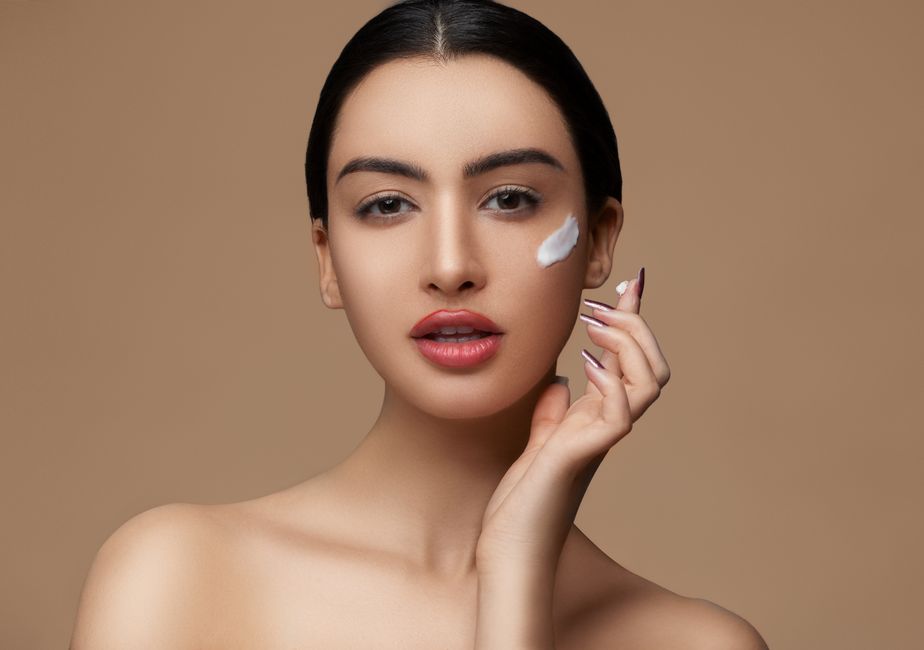
Systemized Skincare for Southeast Asia: Navigating Humidity, Sensitivity, and Urban Stress in 2026
Skincare for humid climate is no longer a niche—it is the new commercial mainstream in Southeast Asia. As of August 2026, sensitive-skin, barrier-first, and climate-adapted skincare have become essential, not optional, for urban consumers who grapple with oily-dehydrated skin, sensitivity, and accelerated aging from relentless UV exposure.
The challenge is clear: standard products—especially heavy occlusives—are not engineered for tropical humidity, urban pollution, and complex skin signals. Instead, the region is moving decisively toward lightweight, breathable systems, with new launches like Formulogic’s Singapore debut heralding science-driven routines for Southeast Asia’s unique climate and skin concerns.
For AURA’s audience—skincare-literate individuals frustrated by ineffective, sticky or reactive formulas—the strongest purchase-driving message is: “Your skin does not need heavier products; it needs a climate-engineered system that protects, hydrates, and calms without overload.” The rise of evidence-driven routines, Korean/Japanese R&D, and proof-centric formulation is reshaping product and service demand.
Key Trends and Strategies: What Defines Successful Skincare for Humid Climate in Southeast Asia?
1. From Niche to Mainstream: Climate-Adapted Systems
The most relevant commercial update is the shift from scattered “climate-friendly” claims to explicitly evidence-driven, climate-specific systems. Brands now launch systems designed for heat, humidity, UV, and pollution, solving skin challenges typical in the region. Evidence-driven claims—such as humidity-specific test results—are now expected, aligning with consumer demand for climate-adapted performance.
2. Lightweight Textures, Layered Barrier Support
Consumers crave products that work with—rather than against—humidity. “Lightweight, high-UV defense sunscreens,” “serums that quench without heaviness,” and “calming gels and barrier boosters” dominate demand, eclipsing heavy occlusives that trap sweat and cause breakouts.
Best sunscreen for humid weather, lightweight sunblock Southeast Asia, and repair skin barrier humidity are common searches. Korean Japanese skincare for tropical skin, anti aging serum humid climate, and soothing gel for redness humidity are strongly sought after.
3. Systems for Contradictory Skin Signals
Urban tropical living creates contradictory skin needs: oily-dehydrated skin, reactive/sensitive skin, and constant high-UV exposure. Consumers now expect systemized routines—like a lightweight barrier serum for oily-dehydrated skin in humidity, a high-SPF, sweat-resistant sunscreen for daily urban UV, and a calming gel for redness, actives, and pollution.
4. Strategic Routine Mapping vs. Isolated Product Fixes
Service innovation is growing. “Routine system audit” is emerging as an in-demand offering—mapping products to individual skin state and climate exposure rather than selling isolated fixes. This creates opportunities for personalized routines that adapt to both skin and environment, supporting long-term resilience and barrier health.
Routine system audit and systemization are key to competitive advantage in Southeast Asia’s climate-adapted skincare space.
State and Recommendations: Actionable Guidance for Brands and Service Providers
- Hero Product: Launch a lightweight barrier serum with humectants and ceramides for oily-dehydrated, sensitive skin in humidity.
- Companion: Develop a high-SPF, sweat-resistant sunscreen optimized for urban, high-UV routine and frequent reapplication.
- Treatment: Offer a calming gel or barrier mask for redness, overuse of actives, and pollution-induced skin stress.
- Service Angle: Provide a routine system audit—mapping products to skin type, barrier health, and climate exposure for sustainable, cohesive results.
- Proof Point: Build validation into marketing: humidity-specific test results, clinical performance, and R&D transparency (especially Korean/Japanese methods).
- Texture & Feel: Prioritize lightweight, breathable, non-sticky textures to foster routine adherence in humid conditions.
Summary Comparison Table
| Aspect | Heavy Occlusive Western Products | Breathable Layered Systems |
|---|---|---|
| Texture | Dense, sticky, occlusive | Lightweight, breathable, layered |
| Formulation Approach | Trend-driven, "one-size-fits-all" | Evidence-driven, climate-specific |
| Skin Impact | Can worsen oiliness, breakouts in humidity | Balances oily-dehydrated, sensitive, and reactive skin |
| Longevity | Short-term cosmetic fixes | Long-term barrier resilience, skin health |
Audience Segmentation: Challenges & Opportunities
Climate-Aware Skincare Users
This savvy group seeks products with proof of humidity-specific performance and systemized routines. They demand lightweight sunblock Southeast Asia, anti aging serum humid climate, and serum for oily dehydrated skin—all mapped to daily climate realities.
- Challenges: Overload of vague “climate-friendly” claims
- Opportunities: Education, transparent science, tailored systems
Sensitive / Compromised Skin
Reacting to pollution, UV, and heat, these consumers need repair skin barrier humidity solutions. Heavy formulas trigger sensitivity; they prefer calming gels and layered ceramide serums, adopting Korean Japanese skincare tropical skin principles.
- Challenges: Barrier breakdown, actives misuse, redness
- Opportunities: Barrier-boosting, soothing textures, pollution defense
Oily-Dehydrated, Combination & Reactive Skin Types
Contradictory signals abound: oil production amplified by humidity but dehydration under strong aircon and urban stress. They search for serum for oily dehydrated skin and lightweight sunblock Southeast Asia.
- Challenges: Heavy occlusives cause breakouts; inadequate hydration exacerbates dehydration
- Opportunities: Humectant-rich, featherlight formulas and sweat-resistant barriers
Early Anti-Aging (25–40)
Premature aging accelerates from UV and pollution. They demand anti aging serum humid climate, barrier support, and best sunscreen for humid weather for daily urban living.
- Challenges: Difficult to find products that prevent aging without heaviness
- Opportunities: Evidence-backed, lightweight anti-aging protocols
Urban Southeast Asia
Facing intense heat, humidity, pollution, and UV, urban users need a system that adapts to fluctuating environments—routine audits and breathable, resilient routines.
- Challenges: Layering product overload, sticky finishes are a dealbreaker
- Opportunities: Cohesive, breathable systems, routine mapping, climate-adapted formulas
Comparison: Segmentation Needs and Overlaps
| Segment | Main Challenge | Best Product/System Solution | Strategic Opportunity |
|---|---|---|---|
| Climate-Aware Users | Proof of performance under humidity | Systemized, evidence-backed routines | Education & transparency |
| Sensitive/Compromised Skin | Barrier breakdown, redness | Calming gels, barrier serums | Pollution defense, soothing textures |
| Oily-Dehydrated & Combination | Breakouts + dehydration | Humectant-rich, lightweight serums | Featherlight, sweat-resistant layers |
| Early Anti-Aging | Premature aging under urban stress | Lightweight anti-aging serum, high-SPF sunscreen | Long-term barrier resilience |
| Urban Southeast Asia | Heat, humidity, pollution overload | Cohesive, climate-adapted routine | Routine audits, adaptive systems |
The Southeast Asian skincare market now rewards not just climate awareness, but proof-centric, systemized routines that solve contradictory skin signals with lightweight protection, hydration, and resilience—turning humid climate from a challenge into a strategic opportunity.
Conclusion: The Strategic Priority of Climate-Engineered Skincare in Southeast Asia
In 2026, the future of skincare in Southeast Asia belongs to brands that deliver climate-engineered systems—protecting, hydrating, and calming without overload.
Winning brands will prioritize evidence-driven claims, lightweight textures, and holistic routines, not just isolated fixes. The market demands transparency, performance, and adaptability to real-world skin and environment.
The next phase? Expect deeper personalization: routine audits becoming standard, humidity-specific claims backed by clinical data, and an intensifying focus on Korean/Japanese R&D for tropical skin. For AURA’s audience, systemized routines and breathable, barrier-strengthening solutions are not trends—they are the new baseline.