
Climate-Resilient Skincare In Singapore & Vietnam: The Ultimate Urban Routine For Sensitive, Oily-Dehydrated Skin Under Heat, Humidity, Pollution, And Blue Light (2026 Guide)
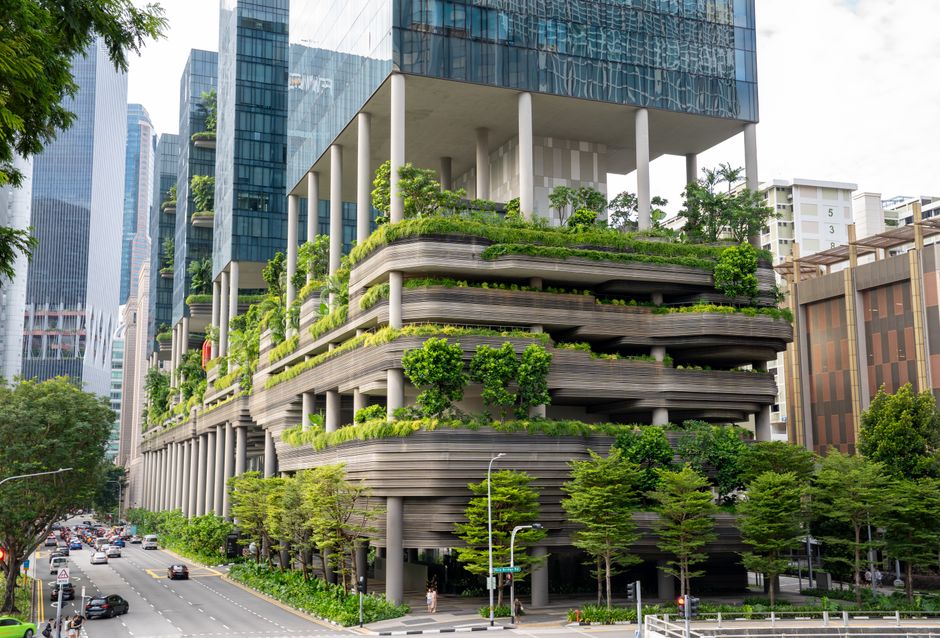
Climate-Resilient Skincare Systems: The Urban Southeast Asian Revolution
Urban Southeast Asia has rapidly emerged as a global epicenter for skincare innovation, uniquely defined by environmental extremes: relentless humidity, record heat, pollution, and near-continuous digital light exposure. In 2026, the region is recognized as a living laboratory for “climate-resilient skincare”, pushing the boundaries of what high-performance, everyday skin routines can achieve under stress. For skincare-literate individuals navigating oiliness with dehydration, sensitivity with breakouts, and premature aging under chronic UV, conventional “one-size-fits-all” solutions have failed. The demand is rising for breathable, clinically-grounded systems: think skincare for humid climates, the best sunscreen for humid weather, lightweight sunblock Southeast Asia, and soothing gel for redness humidity—with intelligent design for routine integration and real environmental resilience.
This article unpacks the latest clinical data, strategic trends, and clear recommendations for brands like AURA and their customers, connecting urban skin realities with routine innovation. We explore why system-defined, barrier-supportive skincare—not just trending ingredients—is now the winning formula in a region where the exposome sets the rules.
Key Trends and Strategies in Urban SEA Skincare
1. Urban Climate: The Stress Test for Modern Skincare
Cities such as Singapore and Vietnam now lead what analysts term the “climate-resilient skincare revolution”. Urban dwellers face a daily onslaught: temperatures consistently at 32–35°C, >70% relative humidity, high UV index, elevated PM2.5, and continuous blue-light exposure. This creates a unique skin stress profile—redness, barrier erosion, pigment drift, and reactivity—demanding routines built for “skincare systems under stress”.
For this audience, breathable layered systems—such as a vitamin C-based anti aging serum for humid climate paired with a repair skin barrier humidity gel—replace heavy occlusive products. The focus shifts from generic “moisturizer + SPF” to clinically validated routines that remain stable and non-greasy through sweat, sebum, and haze spikes.
2. Sensitive, Stressed Skin: The ASEAN Growth Engine
The ASEAN sensitive skincare market is projected to hit USD 2.27 billion by 2028—a direct response to the explosion of sensitive, reactive, and compromised skin due to the region’s harsh environmental load. Oily-dehydrated and combination skins, plagued by breakouts, redness, and pigmentary aging, represent a vast, underserved segment. The demand: low-irritant, water-light, barrier-repairing solutions that calm rather than clog—precisely the performance standard for korean japanese skincare tropical skin and serum for oily dehydrated skin in the region.
More than just gentle ingredients, users want brands to show eco-conscious formulation intent: think biodegradable UV filters, low-fragrance protocols, and clinical proof of efficacy against urban stressors.
3. Pollution, UV, and Heat: The “Exposome” Challenge
Recent meta-analyses confirm a consistent positive association between PM2.5 and pigmentary aging, especially in oily-combination skin types under high sebum production. PM2.5 further drives redness and micro-inflammation, while pollution and UV together trigger collagen loss and barrier breakdown. Practically, this means that the “urban exposome” (pollution + UV + heat) must be addressed as a single, convergent threat—via routine-based defense systems.
Cutting-edge routines include antioxidant serums (vitamin C + ferulic acid + E) optimized for humid climates, as well as pollution reset masks and soothing barrier gels—engineered for non-comedogenicity, sweat-compatibility, and anti-inflammatory action. The future of skincare for humid climate is powered by this “systemic” logic.
4. Blue Light: The Digital Age Skin Agitator
In urban SEA, where average screen time is among the world’s highest, blue light (HEV) protection is no longer theoretical. The latest dermatology reviews confirm blue light penetrates deeper than UV, disrupts molecular aging clocks, and accelerates collagen breakdown and pigmentation—especially in medium and darker skin phototypes.
Modern sunscreens and serums for urban routines are thus evolving towards a holistic “UV + pollution + blue light tri-shield” approach—serving both anti aging serum humid climate needs and early anti-aging users (25–40) seeking to prevent rather than correct damage.
State and Recommendations: Action Points for Brands
- Prioritize climate-adapted formulations: Develop lightweight sunblock Southeast Asia, water-light barrier serums, and soothing gel for redness humidity with proven non-occlusive performance in 32–35°C, >70% relative humidity, and high PM2.5.
[See analysis] - Shift from products to routines: Position collections as systematic “Urban Exposome Defense Systems”—addressing PM2.5, UV, blue light, and sweat in a single, modular routine.
[See trial] - Clinical, measurable claims: Anchor messaging in quantified endpoints like reduction in redness, improved barrier protein expression, or pigment stabilization (not just marketing jargon).
- Formulation transparency: Clearly communicate why each texture, filter, and antioxidant is selected, and how it addresses sensitivity, oiliness, and dehydration under climate stress.
- Eco-conscious innovation: Incorporate biodegradable filters, low-irritation surfactants, and minimal fragrance—responding to environmental concerns and skin reactivity simultaneously.
- Localized testing: Substantiate all claims through performance testing within real Southeast Asian environments (heat index, UV index, PM2.5 levels), not just lab conditions.
- Content for the skincare-literate: Educate on the “why” and “how” of repair skin barrier humidity routines—empowering users to make informed, system-based decisions.
Comparative Table: Evolving the Skincare Standard in Southeast Asia
| Old Paradigm | New Paradigm (SEA System) |
|---|---|
| Heavy, occlusive Western products - Thick creams for dry climates - May clog, pill, or suffocate skin in humidity | Breathable, layered systems - Water-light, fast-absorbing serums and gels - Clinically optimized for 32–35°C, 70%+ RH - Layerable (e.g., serum for oily dehydrated skin + lightweight sunblock Southeast Asia) |
| Trend-driven skincare - Focus on hero ingredients or viral actives - Minimal adaptation to regional realities | Formulation logic - Each component justified for climate, skin type, stressor - Routine-based, not ingredient-based |
| Short-term cosmetic fixes - Blur, mattify, or mask symptoms - Ignore underlying damage | Long-term barrier resilience - Routine stabilizes barrier, regulates pigment, preserves collagen - Focus on “early anti-aging” by managing the exposome |
Segmented Focus: Challenges & Opportunities by User Group
Climate-Aware Skincare Users
- Challenge: Conventional products feel heavy, clogging, and destabilize in humidity.
- Opportunity: Adoption of lightweight, breathable routines with best sunscreen humid weather and pollution defense.
Sensitive / Compromised Skin
- Challenge: Redness, barrier erosion, micro-inflammation triggered by UV, PM2.5, and sweat.
- Opportunity: Barrier-calming gels, eco-conscious, soothing gel for redness humidity, with anti-inflammatory, microbiome-supportive actives.
Oily-Dehydrated, Combination, and Reactive Skin Types
- Challenge: Prone to acne, pigment drift, and reactivity in the face of multipollutant stress.
Heavy occlusives make it worse. - Opportunity: Targeted antioxidant serums and repair skin barrier humidity routines, formulated to minimize comedogenicity and shine.
Early Anti-Aging (25–40)
- Challenge: Premature pigmentary and collagen aging due to urban exposome (UV, PM, blue light, heat).
- Opportunity: Early intervention via antioxidant-rich, blue-light shielding serums and “Urban Shield” routines that prevent, not just correct, aging.
Urban Southeast Asia: Opportunity Nexus
- Challenge: Unprecedented environmental skin stress combined with sophisticated, skincare-literate consumers frustrated by generic solutions.
- Opportunity: Brands demonstrating proof of performance under real SEA conditions—with measurable endpoints and transparent system design—will lead market growth.
Segment Comparison
- Climate-aware and urban users prioritize humidity and pollution defense, requiring lightweight, sweat-compatible formulas.
- Sensitive/reactive users demand ultra-gentle, fragrance-minimal solutions supporting barrier and microbiome health.
- Oily-dehydrated users need non-comedogenic, quickly absorbed serums that hydrate without increasing shine or congestion.
- Early anti-aging users focus on “invisible” protection—antioxidants, blue-light shields, with ongoing pigment and collagen monitoring.
“The next frontier for Southeast Asian skincare is not in chasing the next viral ingredient, but in proving long-term system resilience against heat, humidity, pollution, and blue light. For consumers and brands alike, climate-adapted routines—not single products—will define skin health and beauty for the decade ahead.”
Conclusion: Strategic Imperatives and What Lies Ahead
As Southeast Asia cements its role as the global testbed for climate-resilient skincare, brands and consumers must move beyond the old paradigm of heavy, occlusive creams and one-off fixes. The future belongs to system-validated, barrier-smart routines—lightweight, precise, layered solutions designed for the relentless stressors of urban living. This unlocks not just skincare for humid climates or the best sunscreen for humid weather, but a holistic approach that redefines early anti-aging, sensitivity management, and pigment control for millions.
Looking forward, we anticipate accelerated convergence between clinical research, regional consumer insight, and eco-responsible formulation. Brands that document and demonstrate real-world efficacy—anchored in Southeast Asia’s unique skin exposures—are poised to become global icons. The challenge is to maintain clarity, adaptability, and scientific rigor as the complexity of environmental skin stress continues to rise.
For AURA and similar visionaries, 2026 is not simply a turning point—it is the opening act in a lasting, data-driven transformation of how the world understands, tests, and cares for urban skin.