
Climate-Resilient Skincare In Southeast Asia 2026: Lightweight Routines, UV Protection, And Barrier Support For Humid Cities
The 2026 Shift: Climate-Resilient Skincare Systems for Humid, Urban Southeast Asia
In August 2026, the Southeast Asian skincare landscape is changing at an unprecedented pace. No longer satisfied with “single-ingredient hero” marketing and heavyweight occlusives, consumers—especially those in urban hubs—are demanding climate-adapted systems that target the complex reality of high humidity, relentless UV, and pollution. For discerning users navigating oily-dehydrated skin, sensitivity, unexplained breakouts, and the early onset of aging, clarity and systemization are now non-negotiable.
This new frontier is defined by skincare for humid climate: lightweight sunblock for Southeast Asia, soothing gel for redness in humidity, and progressive routines to repair the skin barrier—all with the performance and sensorial cues of leading Korean and Japanese skincare for tropical skin. For the climate-conscious, serums for oily-dehydrated skin and anti-aging serums for humid climates offer advanced solutions, but only as part of cohesive routines.
Key Trends and Strategies for 2026
1. Climate-Resilient, Systemic Routines Replace Isolated "Hero" Products
Market intelligence underscores a departure from trend-driven, isolated actives. Instead, consumers are gravitating toward climate-resilient systems designed to address the Southeast Asian problem set: heat, humidity, and chronic UV exposure.
The most purchase-relevant insight? Consumers want lightweight, non-occlusive routines that protect, hydrate, and repair—without heavy or greasy residue (details).
Formulation focus is shifting to:
- Breathable gel textures
- Multi-weight humectants
- Ceramides and niacinamide
- Barrier-supportive, humidity-friendly formulas that layer cleanly
2. UV Defense Becomes Non-Negotiable: SPF50+ PA++++ is the New Standard
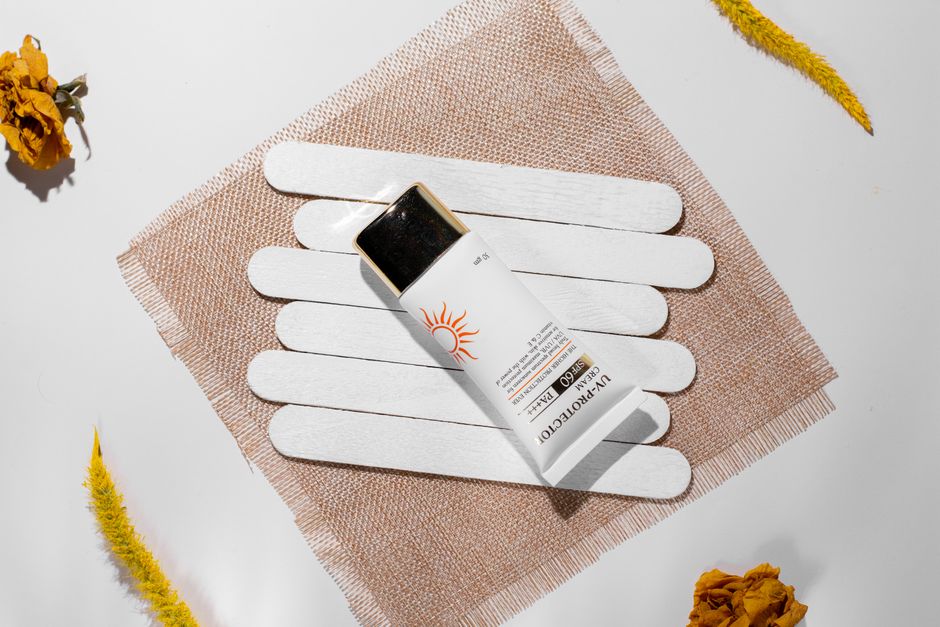
The Southeast Asian sun is unrelenting: daily high-UV exposure in tropical cities makes SPF50+ PA++++ with sweat and water resistance—and ease of reapplication—essential. Consumers are actively searching for the best sunscreen for humid weather: lightweight formulas that won’t clog or melt, yet deliver uncompromised protection.
3. Pollution: The New Skincare Villain—And the Call for Integrated Defenses
Urban air pollution, especially PM2.5, now forms part of the skincare brief. The strongest brand messaging connects UV, particulate matter, and oxidative stress—making the sunscreen + antioxidants duo the default, not an optional pairing. Southeast Asian routines are blending antioxidants with high UV filters in a single routine stack, streamlining user effort while maximizing real-world defense.
4. Sensitive, Oily-Dehydrated, and Reactive Skin: Growth Engines for 2026
Southeast Asia’s skincare market is driven by users whose skin is sensitive, oily-dehydrated, or highly reactive: often a function of humidity, cleansing habits, and environmental stress. The sensitive skincare segment is forecast to reach USD 2.97 billion by 2031 (9.61% CAGR), emphasizing the need for barrier-first, climate-adapted products with clinical backing and real-world relevance. These users crave routines that soothe, calm, and renew without heaviness or irritation—think soothing gel for redness in humidity, or water-gel serums that hydrate while balancing oil.
5. Multi-Tasking, Clinical, and Layerable: The New Formula Imperative
Routine systemization is the strongest angle for conversion, as consumers want “effective actives without heaviness, irritation, or overload in Southeast Asian heat.” Multi-step routines are now built from lightweight hydrators, barrier-repairing actives, and climate-adapted sunscreen, each stacking to address the interplay of UV, pollution, and humidity.
The new winning approach? “Climate-resilient skincare: light textures, strong UV defense, and barrier support that performs in heat, humidity, and pollution.” (source)
State and Recommendations: Action Points for Skincare Innovators
- Lead with Systemized Solutions: Position integrated routines (not individual SKUs). Emphasize how your system addresses the heat-humidity-UV-pollution nexus.
- Prioritize Lightweight, Non-Occlusive Textures: Use breathable gels, emulsions, and multi-weight humectants. Avoid heavy occlusives; design for humidity and sweat compatibility.
- Elevate UV and Pollution Defense: Make SPF50+ PA++++, sweat/water resistance, and antioxidants core features—not side benefits. Focus messaging on seamless reapplication and city-living challenges.
- Embrace Barrier-First and Sensitive Solutions: Formulate with ceramides, niacinamide, and clinical actives that repair and defend the barrier (think repair skin barrier in humidity). Target sensitive, oily-dehydrated, and combination-reactive skin types directly.
- Ground in Clinical Validation: Demonstrate efficacy through studies that measure both real-world environmental stress (humidity, pollution, UV) and skin response.
- Educate on Systemization: Support users with content on routine building, stacking, and the logic of combined, climate-adapted actives.
Summary Comparison Table
| Heavy Occlusive Western Products | Breathable, Layered Systemic Skincare | |
|---|---|---|
| Texture | Thick, creamy, often occlusive; uncomfortable in humidity | Lightweight gels/emulsions; designed for tropical conditions |
| Formulation Logic | Trend-driven, isolated actives; short-term fixes | Routine/system-based; clinical, multi-goal synergy for climate-adapted needs |
| Barrier Support | Can suffocate or stress skin; not always barrier-focused | Barrier-repairing, non-irritating; suited for sensitive, oily-dehydrated skin |
| UV & Pollution Defense | Secondary, often weak or heavy | SPF50+ PA++++ with antioxidants; integrated pollution defense |
| Longevity of Results | Short-term cosmetic effects | Long-term resilience, repair, and protection |
Audience Segmentation: Challenges & Opportunities
1. Climate-Aware Skincare Users
These users understand that tropical urban living demands specialized routines. Their challenge is product overload and confusion. They search for skincare for humid climate and look for brands offering clear, systematized routines for heat and humidity.
Opportunity: Win their trust with system logic, humid-climate texture validation, and clear SPF/pollution science.
2. Sensitive / Compromised Skin
This group battles reactivity, redness, and discomfort—often worsened by pollution and strong actives. They want soothing gel for redness in humidity, and are drawn to barrier-repair and anti-inflammatory actives.
Opportunity: Offer ultra-light, gentle routines; highlight clinical evidence for calming and repair.
3. Oily-Dehydrated, Combination, and Reactive Skin
Most common in Southeast Asia, these skin types are misunderstood elsewhere. Heavy creams aggravate, while harsh gels strip the barrier, causing both oiliness and dehydration.
Opportunity: Zero in on serum for oily-dehydrated skin, multi-weight humectants, and barrier-balancing stacks proven to perform in tropical contexts.
4. Early Anti-Aging (25–40)
Constant UV and pollution accelerate signs of aging in Southeast Asia. This cohort still wants an anti-aging serum for humid climate—but not at the expense of heaviness or irritation.
Opportunity: Combine clinical anti-aging actives (peptides, niacinamide, antioxidants) with feather-light delivery and robust UV/pollution protection.
5. Urban Southeast Asia
Urbanites face the daily triple threat: high humidity, strong UV, and pollution. They are digitally literate and quick to scrutinize claims.
Opportunity: Anchor your value proposition in “real-world climate testing,” SPF with antioxidant integration, and credible pollution/UV defense data (evidence).
Comparison Across Segments
- Systemization unites all segments: Everyone wants stepwise routines that make sense for their climate and skin.
- Barrier-first logic wins sensitive/reactive and aging users: These groups demand repair and protection, not just cosmetic change.
- Lightweight, humidity-adapted delivery wins combination/oily users: They seek balance without compromise on protection or performance.
- Credibility wins urban/online users: Brands must show clinical data and real climate validation for Southeast Asian skin.
The next era for Southeast Asian skincare is defined by systemization, not single solutions—where layered, lightweight, and clinically grounded routines deliver resilience and radiance, even under the world’s most challenging climatic and urban environments.
Conclusion: Strategic Imperatives and What’s Next
In summary, August 2026 marks a tipping point for Southeast Asian skincare. As the market pivots towards climate-resilient skincare systems, brands must abandon fragmented, trend-chasing SKUs in favor of integrated, clinical routines that perform under the triple stress of humidity, UV, and pollution.
For AURA and its peers, this is a moment of strategic opportunity: articulate your system logic, validate performance in real-world heat and humidity, and ground every product in barrier-supportive, humidity-adapted, clinically verified technology.
Looking ahead, we expect further convergence of UV/pollution/anti-aging science with systematic, personalized routine-building tools—blurring the lines between Korean and Japanese skincare for tropical skin and digitally-enabled, Southeast Asian-specific innovation. The brands that thrive will be those who offer skin-first systems—lightweight, effective, and resilient—for the region’s unique, climate-driven needs.