
Climate-Smart Skincare In Singapore: How To Optimize Your Routine With Shopee Ingredient Alerts And Real-Time Weather Apps
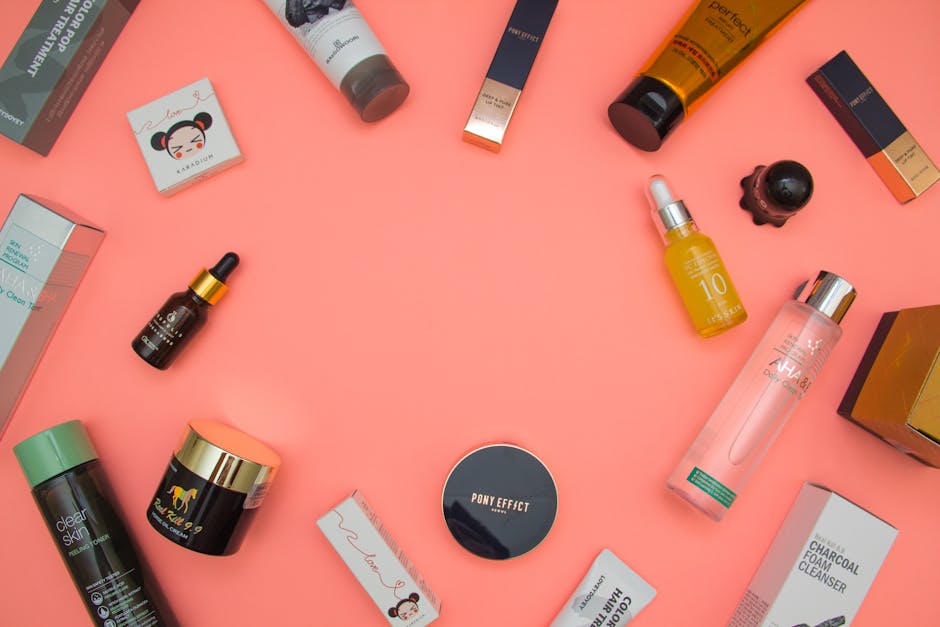
Real-Time Skincare Optimization: Ingredient Alerts & Weather Apps for Smart Routines in Humid Southeast Asia
In Singapore and across Southeast Asia, the pursuit of healthy skin is a daily challenge. Heat, high humidity, relentless UV, fluctuating rainfall, and constant shifts between outdoor air and icy indoor air-conditioning create a complex landscape where classic “skin type” routines fail. For skincare-literate users, oily yet dehydrated skin, breakout-prone sensitivity, and premature photoaging have become all too familiar—especially with products that feel too heavy, too reactive, or simply ineffective.
The solution? A smarter, more adaptable system. By leveraging Shopee ingredient alerts and local weather apps, today’s climate-aware consumers are building modular, real-time routines. These routines don’t just fight symptoms—they anticipate them, responding to environmental triggers as they happen. This is the future of skincare for humid climates: precision routines with best sunscreen for humid weather, lightweight sunblock for Southeast Asia, soothing gels for redness in humidity, repair skin barrier humidity, and modular K-beauty and J-beauty formulas built for tropical conditions.
Key Trends and Strategies
1. The Shift to Climate-Smart, Systemic Skincare
The old idea of one-size-fits-all products—especially heavy Western balms or “universal” creams—doesn’t hold up in Singapore. Here, even “hydrating” formulas can suffocate or ignite breakouts. New market leaders like Pour Moi Skincare, LILIXIR, and Seppic are now designing products to adapt to UV, humidity, pollution, and sudden air-conditioning.
A forward-thinking approach doesn’t just swap heavier creams for gels. It systemizes the routine: lightweight, breathable layers are adjusted daily—sometimes even midday—according to weather and skin state. Routine rotation is the new normal, using ingredient alert tools and environmental data as daily decision inputs.
2. Digital Tools for Skincare Micro-Adjustments
The rise of ingredient trackers and Shopee alerts means users aren’t guessing when to repurchase a soothing gel for redness in humidity or a serum for oily dehydrated skin. Instead, they set alerts for restocks, price drops, or reformulations—by ingredient, not just brand. Meanwhile, popular weather apps provide real-time data on humidity, temperature, UV index, and haze, all of which drive skin performance. This empowers users to prioritize anti aging serum for humid climate on high-UV days or amp up repair skin barrier humidity strategies when AC exposure is high.
The combination: real-time commerce meets real-time personalization.
3. System Thinking: Routines as Responsive, Not Fixed
Today’s users don’t buy “acne products” or “hydrators” in isolation. Instead, they build portfolio routines:
- Gel cleanser for humid, sweat-heavy days
- Hydrating serum for air-conditioned dryness (serum for oily dehydrated skin)
- Barrier-repair moisturizer (ceramides, squalane) for stressed skin
- Rotated actives (gentle acids, niacinamide, azelaic acid) only when the barrier is stable
- High-performance, lightweight sunblock for Southeast Asia as a non-negotiable daily layer
4. The Science of Skin Barrier and Environmental Stress
Dermatology has shifted. Today, barrier function, inflammation, and the skin’s response to pollution are front and center. In urban environments like Singapore, oxidative stress isn’t just a problem for “mature” skin; it’s a daily reality for everyone. The best routines use antioxidant serums under best sunscreen for humid weather, and support the barrier with humectants and lipids after long, AC-heavy days. Newer climate-adaptive formulas optimize these functions without overwhelming the user with residue or irritation.
State and Recommendations
- For Brands: Shift product logic from “skin type” to “climate-adaptive system.” Offer modular sets: heat/humidity routines, AC/barrier repair sets, urban/anti-pollution duos, and high-UV recovery kits. Emphasize ingredient function, not just category.
- For Platforms: Enable ingredient-based Shopee alerts and predictive repurchasing that ties weather trends to replenishment (e.g., sunscreen before dry season, barrier creams before monsoon). Offer filters for best sunscreen humid weather, soothing gel for redness humidity, and more.
- For Users: Build modular routines and keep a weather log. Use alerts for price drops or new launches of lightweight sunblock southeast asia and barrier-support serums. Review and rotate: don’t force a single regimen through variable weather. Let climate, skin feel, and ingredient availability guide decisions.
- For Product Developers: Prioritize formulation logic over trends. In humid climates, avoid heavy occlusives and fragrance. Design breathable, layerable products that work with both sweat and AC exposure. Highlight anti-inflammatory, antioxidant, and barrier ingredients.
Summary Comparison Table
| Classic Western Occlusive Approach | Breathable Layered Systems (Southeast Asia) |
|---|---|
| Heavy balms, thick creams, single-step solutions; often too occlusive for Singapore’s heat/humidity | Light gels, hydrating serums, layerable moisturizers, modular actives; designed for resilience and comfort in humidity |
| Trend-Driven Skincare | Formulation Logic (Climate-Smart) |
| Viral ingredients, one-problem-one-product, seasonal launches unfit for the tropics | Ingredients matched to climate signals; e.g., antioxidants under high UV/pollution, humectants plus barrier support during AC exposure |
| Short-Term Cosmetic Fixes | Long-Term Barrier Resilience |
| Mattifiers, over-cleansing, harsh actives to suppress symptoms | Barrier repair, anti-inflammatory support, daily sunscreen and antioxidant layering |
Segmentation Analysis: Challenges and Opportunities
Climate-Aware Skincare Users
This core audience is already using local weather apps, Shopee ingredient alerts, and is searching for best sunscreen humid weather and Korean Japanese skincare for tropical skin. Their challenge is decision fatigue and a noisy, overcrowded market. The opportunity: modular, logic-driven routines and digital tools that automate replenishment and rotation.
Sensitive/Compromised Skin
Frequent barrier damage, irritation, and ingredient overload define this group. Classic “sensitive skin” routines can fail when humidity and pollution are also high.
- Challenge: Standard fragrance-free or “soothing” products may still feel suffocating or break out skin; overuse of actives due to cycles of irritation and congestion.
- Opportunity: Focus on repair skin barrier humidity ingredients: ceramides, panthenol, squalane, beta-glucan. Use Shopee alerts for reformulations and new launches. Choose lightweight, non-residue soothing gel for redness humidity as a base layer in rotation.
Oily-Dehydrated, Combination, Reactive Skin Types
A massive segment in Singapore. Oily T-zone, tight cheeks, and a tendency to over-cleanse or over-layer.
- Challenge: Conflicting routine advice; temptation to strip oil while missing underlying dehydration.
- Opportunity: Build a rotation of gel cleansers, serum for oily dehydrated skin (glycerin, hyaluronic acid), and non-occlusive moisturizers. Use weather-triggered signals to dial the routine up (for AC, UV) or down (for sticky, humid days).
Early Anti-Aging (25–40)
In the tropics, “anti-aging” means defending against UV and urban pollution, not just wrinkles.
- Challenge: Relentless sun, high oxidative stress, and formulas designed for temperate climates falling short.
- Opportunity: Daily use of lightweight sunblock for Southeast Asia (SPF 50+, PA++++), morning antioxidant serums (vitamin C, ferulic acid), and night-time barrier support as a three-step foundation. Use ingredient alerts for price drops and stock of anti aging serum for humid climate.
Urban Southeast Asia: The Intersection
All segments are affected by pollution, erratic weather, and harsh AC. The market is ready for brands that offer clarity, not more confusion. The future: predictive, weather-integrated routines and seamless ingredient-based shopping.
Segment Comparison
| Segment | Primary Challenges | Biggest Opportunities |
|---|---|---|
| Climate-Aware Users | Information overload, need for practical tools | Automated, modular routines, weather-linked alerts |
| Sensitive/Compromised | Barrier instability, product irritation | Barrier-centric, ingredient-tracked routines |
| Oily-Dehydrated/Combination | Contradictory signals, product mismatch | Texture and climate-based product selection |
| Early Anti-Aging | Constant UV/pollution, unsuited global formulas | Localized antioxidant + sunscreen regimens |
"The most effective skincare in Southeast Asia is not the most complex, but the most responsive. By combining ingredient alerts with live weather data, routines become as adaptive as the climate—delivering real resilience, not just temporary relief."
Conclusion: Strategic Imperative and Future Outlook
For brands, platforms, and advanced users, the message is clear: the age of static routines is over. The combination of Shopee ingredient alerts and local weather apps empowers Southeast Asian consumers to build living, breathing routines that react to daily environmental stressors. This is not complexity for its own sake—it is fit-for-purpose, precision skincare for humid climates.
The next evolution? Expect deeper integration: platforms will offer predictive, climate-adaptive recommendations; brands will design with Southeast Asia’s reality as the starting point, not an afterthought. “Skin type” will matter less—system and context will matter most.
For those who master modular, data-driven, real-time routines, there are significant gains in both user satisfaction and long-term skin health. For the industry, the opportunity is to lead, not follow, in the global shift toward true climate-smart skincare.
The smartest skincare for Southeast Asia is dynamic, not static—powered by data, ingredient logic, and unwavering attention to the world outside your window.