
How Chronic Pollution And High UV In Southeast Asian Cities Are Redefining Daily Skincare: The 2026 Guide To Barrier Support And Urban Skin Resilience
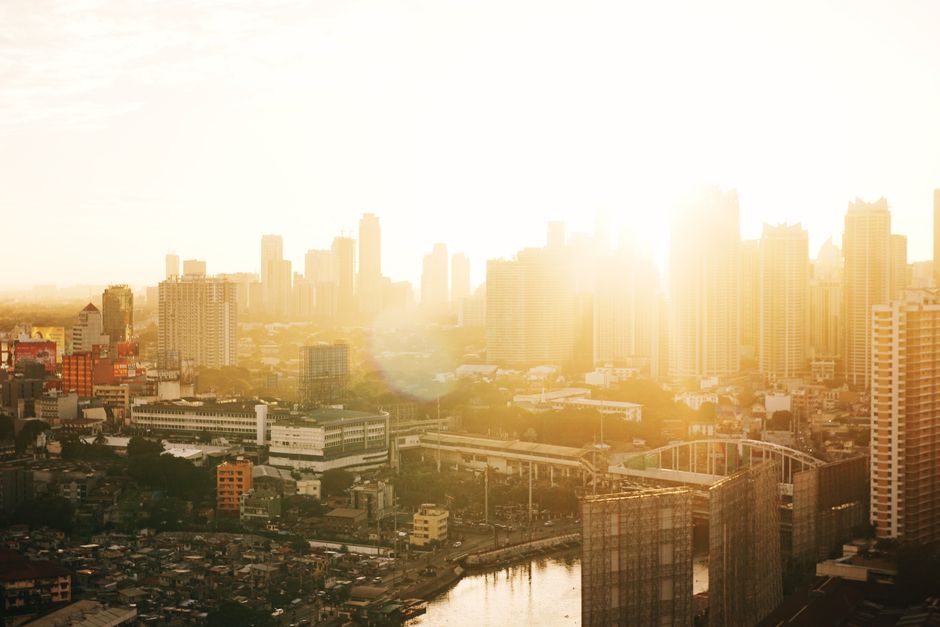
Urban Southeast Asia’s High-Stress Skin Climate: Systemic Solutions for Resilient Skin in 2026
Today’s urban Southeast Asian skin is not simply “challenged”—it’s navigating a relentless onslaught of pollution, UV, heat, and humidity, forging a new baseline: constant, invisible inflammation. The era where breakouts, dullness, or sudden sensitivity were considered anomalies is over. For AURA’s sophisticated, climate-aware audience—those seeking skincare for humid climate, the best sunscreen for humid weather, lightweight sunblock Southeast Asia, or a soothing gel for redness humidity—the pressing update is that chronic environmental stress is the norm, not the exception.
Your skin now operates under daily multi-stressor load—PM2.5 levels 4–6× the WHO guideline, UV indexes routinely “very high” all year, and a tropical climate that sabotages most Western-formulated products. In this landscape, piecemeal fixes or trend-driven routines fall short. What’s needed is a systemic, climate-adapted approach: a regimen engineered for continual regulation and resilience, favoring breathable layers, targeted serums for oily-dehydrated skin, and anti-aging serum for humid climates.
This article unpacks key trends, actionable strategies, and the new paradigm of climate-engineered skin defense for 2026—and beyond.
Key Trends and Strategies for Urban Skin Resilience
1. Pollution is Chronic—Not Episodic
Average PM2.5 in Southeast Asia, per State of Global Air, sits around 22–30 µg/m³—4–6 times the safe annual threshold. The impact? Micropollutants penetrate pores, accelerating inflammation, pigment issues, barrier breakdown, and collagen loss. Those with sensitive or oily-dehydrated skin experience persistent microcomedones, redness, uneven tone, and “mystery” sensitivity.
Strategic response: Formulate with lightweight film-formers, chelators, barrier lipids, and potent antioxidant networks (think stabilized vitamin C derivatives, polyphenols, ergothioneine) tailored for everyday exposure. No longer should antioxidants be an “extra”—they’re now required defense.
2. UV and Heat Synergy: Daily Photodamage Rewrites the Rules
Cities like Singapore and Jakarta see midday UV indexes of 8–11+ year-round. Combined with high humidity and pollution, this sets up a chemical and physiological cascade: UV oxidizes both sebum and pollutants on the skin, triggering pigment, roughness, PIH, and accelerated aging—even with daily SPF.
Strategic response: Elevate your sunscreen game. Opt for photo-stable, high-UVA filters and lightweight sunblock Southeast Asia users can trust not just for sunburn prevention, but as a daily urban shield. Fluid, non-occlusive textures—gels, serums, and emulsions—outperform heavy creams, especially as heat increases TEWL (transepidermal water loss) and destabilizes oily yet dehydrated, reactive skin.
3. “Background Inflammation” is the New Normal
Multiple sources (WHO, State of Global Air, regional studies) confirm the stark reality: virtually no urban Southeast Asian city meets global PM2.5 or UV guidelines.
Implication: For those seeking repair skin barrier humidity or Korean Japanese skincare for tropical skin, the solution isn’t intermittent “rescue” products, but a continuous, integrated routine. “Calm” is a moving target, and resilience is built with systemized, barrier-supportive daily steps.
4. The Rise of Breathable Layered Systems
Traditional heavy occlusives smother skin under humidity, increasing breakouts and discomfort. Instead, breathable, layered routines—anchored by serum for oily dehydrated skin, fluid moisturizers, and anti aging serum for humid climate—provide non-occlusive protection, hydration, and recovery, outperforming western-style creams in the tropics. These systems, inspired by modern Korean and Japanese innovation but adapted for Southeast Asia’s harsher urban mix, offer a new logical baseline for skin health.
State and Recommendations for Brands and Formulators
- Assume chronic inflammation as default: Formulate every step—cleanser, serum, moisturizer, sunscreen—to minimize irritation, maintain barrier resilience, and regulate inflammation, not just treat “flaring” skin.
- Update SPF thinking: Prioritize UVA/UVB photostable protection with sweat/humidity-compatible formulas. “Best sunscreen humid weather” is now a must, not a niche.
- Emphasize texture logic: Employ gels, water-break serums, and fluid emulsions for humid, polluted climates. “Heavy=protective” no longer applies.
- Equip every product with pollutant defense: Chelators, modern antioxidants, and film-formers should be standard in AM steps—especially in serums for oily, dehydrated, and reactive skin types.
- Build routines, not isolated fixes: Anchor the brand narrative around “urban resilience systems”—not single “super” products.
- Segment content and products: Tailor formulations and communication to the core urban segments:
- Climate-aware, skincare-literate users
- Sensitive/compromised skin
- Oily-dehydrated, combination, and reactive skin
- Early anti-aging (25–40)
- Educate with data: Use the Urban Inflammation Index—visualize PM2.5, UVI, and humidity as daily skin stressors to build customer context.
Summary Comparison Table: Old vs New Skin Resilience Paradigms
| Heavy, Occlusive Western Products | Breathable, Layered Systems | |
|---|---|---|
| Formulation Logic | Focus on moisture “lock-in”; often waxy, heavy, and ill-suited for humid, polluted climates. | Non-occlusive, humidity-compatible layers; logical progression of barrier + antioxidant + photoprotection. |
| Strategic Intent | Short-term relief/fix for dryness or irritation. | Long-term regulation, resilience, and comfort in multi-stressor environments. |
| Trend-Driven vs Logic | Chasing Western skincare trends; episodic treatment focus. | Climate-adapted, system-based solutions tailored to regional stressors. |
| Barrier Support | Reactive, post-damage repair; often occlusive. | Pre-emptive, daily reinforcement without heaviness. |
| UV & Pollution Defense | Basic SPF; anti-pollution rarely integrated. | Integrated, photostable UVA/UVB, antioxidants, and pollutant chelators in every daytime layer. |
| Product Experience | Often sticky, suffocating, leads to breakouts and poor compliance in humidity. | Lightweight sunblock Southeast Asia, serum for oily dehydrated skin, soothing gel for redness humidity—boosting comfort and adherence. |
Segmentation: Challenges and Opportunities by Audience
Climate-Aware Skincare Users
These users demand skincare for humid climate that is evidence-based and logic-driven—not just trendy. They want to understand the “why” and “how” of every product, and expect cross-segment solutions that work in high PM2.5, UVI, and humidity. Brand opportunity: offer transparent, modular routines and explain formulation intent at every step.
Sensitive / Compromised Skin
Highly reactive, pollution-exposed skin often misattributes background irritation to actives, missing the daily environmental load. Opportunity: Default to anti-inflammatory, microbiome-respecting formulas using centella, panthenol, and beta-glucan analogs. Reframe “barrier repair” from an SOS to a daily default.
Oily-Dehydrated, Combination, and Reactive Skin Types
This group faces paradoxes—surface oil, inner tightness, and textural dullness—from pollution and heat-driven TEWL. Opportunity: Provide serum for oily dehydrated skin, non-occlusive hydration, and pollu-protective systems with biomimetic lipids and humectant + osmolyte technology to hydrate without suffocating.
Early Anti-Aging (25–40)
Photoaging and pollution-induced glycation accelerate lines, pigment, and laxity—sometimes before 30. Opportunity: Embed anti aging serum for humid climate, gentle resurfacing (PHAs, mild AHAs), and robust UVA/HEV protection in lightweight, humidity-proof vehicles, emphasizing daily prevention over harsh “reset” peels.
Urban Southeast Asia—A Region-Wide Challenge
Across all segments, the pattern holds: no city meets annual PM2.5 or UV guidelines. Multi-layered, system-based approaches are not “extra”—they’re structurally essential for skin health, especially as regional pollution and UV exposure remain dangerously high.
Segment Comparison
- Climate-aware users: Seek logic, transparency, modularity.
- Sensitive skin: Need default anti-inflammatory, barrier-first care.
- Oily-dehydrated/combination/reactive: Crave breathable, non-occlusive, pollu-protective hydration.
- Early anti-aging: Require constant, lightweight photoprotection and gentle, daily renewal strategies.
All segments benefit from the same underlying logic: daily, continuous systems beat episodic “miracle” fixes, especially in a permanently high-stress urban ecosystem.
“Your skin is now operating under chronic, multi-stressor environmental load—even when it looks calm. Skincare must be engineered as a continuous regulation system for barrier support, photoprotection, and pollution defense—not just as episodic treatment for visible flares.”
Conclusion: The Strategic Imperative—and What’s Next
As the default state of urban Southeast Asian skin shifts toward ongoing, low-grade inflammation, the old regime of heavy, trend-chasing products is not just outdated—it’s actively counterproductive. The new baseline demands formulations designed for the realities of high humidity, high pollution, and relentless UV: lightweight sunblock Southeast Asia, anti aging serum humid climate, and soothing gel for redness humidity are no longer luxuries, but necessities.
The future belongs to brands that systemize, educate, and adapt: those providing continuous, climate-adapted resilience—especially for sensitive, oily-dehydrated, and early-aging skin segments—will not only earn trust but redefine the region’s skin health norms.
Expect to see a rapid acceleration in system-based, humidity-compatible routines, better clinical data on the pollution-UV synergy, and greater consumer demand for transparency and “why” behind each formula.
Ultimately, this is more than a skincare shift—it’s a foundational reset for how health, beauty, and daily life intersect in megacity Southeast Asia.