
How Heat, Humidity, And Pollution Are Accelerating Skin Aging In Jakarta, Manila, Bangkok & Singapore—And The Climate-Adaptive Skincare Systems You Need Now
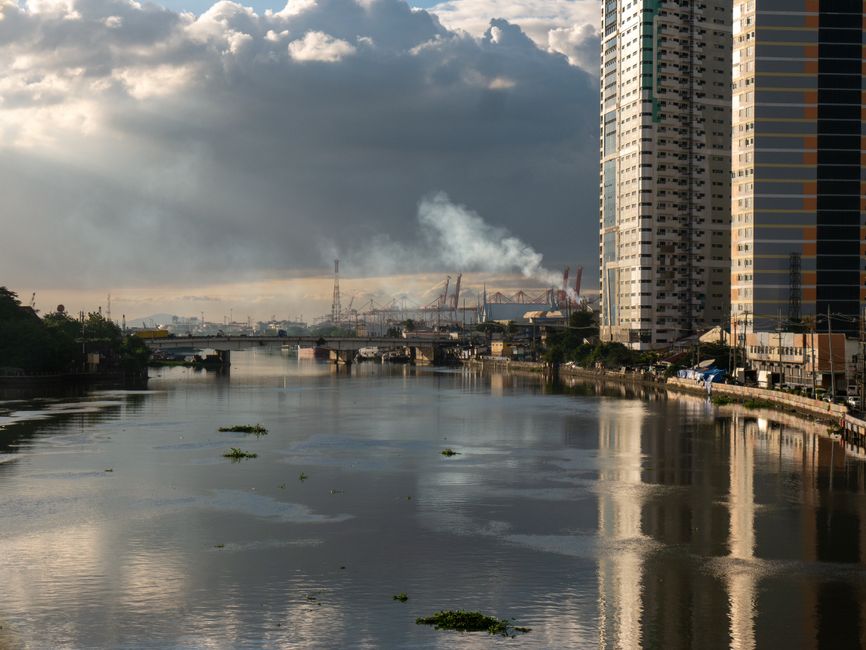
Climate-Engineered Skincare: New Standards for Urban Southeast Asia in 2026
Urban Southeast Asia’s climate is more than just a challenging backdrop for skin—it is now a proven accelerant of pigment change, barrier disruption, and microbiome imbalance, even in “early anti-aging” populations. For the region’s increasingly skincare-literate consumers, the limitations of generic routines have never been clearer. Dealing with oiliness and dehydration, sensitivity and breakouts, and visible aging in high humidity calls for a strategic leap: from trend-driven formulations to climate-engineered, evidence-driven systems that address the realities of life in Jakarta, Singapore, Manila, and beyond.
In this context, the demand for skincare for humid climate, best sunscreen for humid weather, lightweight sunblock Southeast Asia, soothing gel for redness humidity, repair skin barrier humidity, serum for oily dehydrated skin, and anti aging serum humid climate has intensified—yet most products remain ill-adapted to the environment and signals of their users.
Key Trends and Strategies for Climate-Intelligent Skincare
1. Heat and Humidity: From “Protective” to Accelerating Pigmentation and Wrinkle Formation
Contrary to traditional thinking, recent studies confirm that high temperature combined with humidity is not just uncomfortable—it independently accelerates facial hyperpigmentation and coarse wrinkling, even controlling for UV exposure and age ([12]). The previously held belief that moisture protects against aging no longer stands—pigment and micro-wrinkle defense must become priorities, not afterthoughts, in formulations for humid climates.
For consumers looking for anti aging serum for humid climate, only those clinically validated in actual “real world” heat indices (30–35°C, 70–90% RH) will perform. This means moving past formulas designed for temperate climates and focusing on routine elements that maintain tone uniformity and collagen integrity in the face of relentless heat and water loss.
2. Pollution: Now a Clinically Proven Driver of Barrier Damage, Dehydration, and Urban Skin Syndrome
A major dermatology review in 2025 demonstrated how urban air pollutants (PM2.5, NO₂, ozone) drive up transepidermal water loss (TEWL) and increase inflammation, leading to dullness, sensitivity, and breakouts ([9]). Over 60% of urban Southeast Asian women now directly link these changes to periods of haze and high PM2.5 ([14]).
In this environment, repair skin barrier humidity products require new technologies: anti-adhesion polymers, chelators, and robust antioxidant networks specifically tested against PM-induced barrier stress. Pollution must not be a “bonus benefit”—rather, it must be a pillar of every effective urban skincare system, whether that’s a lightweight sunblock Southeast Asia user or someone seeking a soothing gel for redness humidity.
3. Microbiome: The Invisible Battleground Under Heat, Humidity, and Haze
Urban Southeast Asian skin faces unique microbial pressures: heatwaves and humidity drive overgrowth of acne and eczema-linked species, while pollution disrupts commensal balance ([13]). The result? Widespread combination skin—oily, sensitive, reactive—and “flare cycles” where PIH, acne, and barrier sensitivity overlap.
Formulations must be microbiome-literate: low-foam, low-pH cleansers; prebiotic and fermented extracts targeting skin flora seen in tropical environments; and avoidance of stripping routines. This is where next-generation korean japanese skincare for tropical skin and serum for oily dehydrated skin can finally deliver value if they integrate these findings.
4. Climate Change: Intensifying Extremes and Environmental Fatigue
It isn’t just the “average” weather that’s changing—sudden swings in humidity, heat, and pollution now drive a syndrome of “environmental fatigue”: persistent inflammation, impaired repair, and visible texture changes ([15]). The skin’s needs can shift daily: from oil control on heatwave days, to barrier recovery after haze events, to intense hydration in air-conditioned spaces.
Today’s most forward-thinking brands are moving to climate-adapted, modular routines: systems built for swap-in, swap-out flexibility based on daily climate and pollution data, ensuring long-term barrier resilience rather than short-term cosmetic masking.
5. The Strategic Shift: From Cosmetic Quick Fixes to Clinical, Adaptive Systems
AURA’s approach encapsulates these learnings: linking testing environments and formulation logic directly to Southeast Asia’s climate and urban realities. For the savvy consumer, this is the only path forward—products must prove themselves not just in the lab, but in the chaos of real-world Jakarta, Kuala Lumpur, or Ho Chi Minh City.
State and Recommendations: What Climate-Savvy Skincare Demands in 2026
- Validate in Local Conditions: Insist on formulas stress-tested in 30–35°C, 70–90% RH with actual urban PM2.5 and pollutant exposure, not just generic hot-room trials or western benchmarks. This is non-negotiable for barrier resilience and pigment control under urban haze.
- Prioritize Barrier and Microbiome Health: Reduce harsh surfactants, add prebiotic humectants, use low-occlusive gels and serums instead of heavy creams. Innovate in microbiome-calibrated cleansers.
- Make Pollution Defense Central: Adopt clinical-grade antioxidants, anti-adhesion agents, and TEWL guards. Pollution-protection must be a headline claim, especially in best sunscreen humid weather and lightweight sunblock Southeast Asia products.
- Build Modular, Responsive Routines: Let users swap products according to live "Urban Skin Stress" dashboards (heat index, PM2.5, UV), not just their morning mood. This is where repair skin barrier humidity and soothing gel for redness humidity become daily, not crisis, essentials.
- Show Clinical, Not Just Cosmetic Results: Back all claims with tracked improvements in TEWL, pigmentation, and elasticity across local climate cycles. For those aged 25–40, highlight preventive gains—delaying first pigment or fine lines—as much as reversal.
Comparison Table: Strategic Approaches to Urban SEA Skincare
| Old Paradigm: Heavy Occlusive Western Products | New Paradigm: Breathable, Layered Systems |
|---|---|
|
|
| Trend-Driven Skincare | Formulation Logic (Climate-Engineered) |
|
|
| Short-Term Cosmetic Fixes | Long-Term Barrier Resilience |
|
|
Segmentation and Strategy: Who Needs What in Urban Southeast Asia
1. Climate-Aware Skincare Users
Challenge: Frustrated by global brands that feel too rich or reactive in local weather, these users demand climate-specific, modular routines.
Opportunity: Products like best sunscreen humid weather, repair skin barrier humidity, and serum for oily dehydrated skin—all tested under urban Southeast Asian conditions—are coveted. AURA can excel by making local validation an explicit promise.
2. Sensitive / Compromised Skin
Challenge: Pollution-triggered flares, heat-activated sensitivity, barrier breakdown.
Opportunity: Deliver microbiome-friendly soothing gels, low-foam cleansers, and rapid barrier-recovery masks for post-haze or heatwave recovery. Soothing gel for redness humidity is not just a nice-to-have; it’s essential for this cohort.
3. Oily-Dehydrated, Combination, and Reactive Skin Types
Challenge: “Oily yet flaky,” “sensitive yet breakout-prone”—a result of simultaneous sebum overproduction, dehydration, and pollutant-driven inflammation.
Opportunity: Prioritize lightweight sunblock Southeast Asia, serum for oily dehydrated skin, and microbiome-calibrated cleansers that resist stripping. These users will respond to precise, data-backed explanations and flexible routines.
4. Early Anti-Aging (25–40)
Challenge: Accelerated pigment drift and micro-wrinkles, despite “youth.”
Opportunity: Introduce anti aging serum humid climate and sunscreens with pigment, collagen, and elasticity claims proven in tropical field tests—prevention, not just reversal, is key messaging.
5. Urban Southeast Asia as a Whole
Challenge: Year-round PM2.5 above safe limits, constant climate variability, and little regulatory standardization for "climate-tested" claims.
Opportunity: AURA and similar brands can dominate by providing trustworthy, climate-engineered, science-grounded systems across categories: korean japanese skincare for tropical skin, sunscreen, gels, serums, and modular routines.
Segment Comparison
- Climate-aware users demand modularity and transparent local testing.
- Sensitive/compromised skin seeks microbiome and barrier-first products.
- Oily-dehydrated types prioritize breathable, layered systems.
- Early anti-aging cohort responds to prevention messaging linked to local clinical data.
“In 2026, the most advanced skincare for Southeast Asia is not imported, but engineered for the climate, pollution, and microbiome signatures of its cities—finally translating science into daily, adaptable routines.”
Conclusion: The Strategic Imperative for Climate-Engineered Skincare
For Southeast Asia’s urban populations, the data is in: “one size fits all” skincare is obsolete. The strategic advantage lies with brands that explicitly tie formulation logic and clinical evidence to environmental metrics like heat index, PM2.5, and microbiome shifts—making climate-adaptive, pollution-defensive, and microbiome-calibrated systems the new gold standard.
AURA and its peers now have the opportunity to shift the narrative—from trend-chasing and rote “hydration” to a future where every routine element is justified, modular, and resilient. As urban climates grow more volatile, the “climate intelligence” of a skincare system will determine not just user satisfaction, but brand loyalty and long-term skin health outcomes.
What’s next? Expect consumer demand for even deeper personalization: live skin-environment dashboards, microclimate-specific actives, and cross-city benchmarking. The question facing both brands and users is no longer, “Which ingredient?” but “Prove it works—here, now, under these conditions.”
The era of climate-engineered skincare for Southeast Asia has begun.