
How Heat, Humidity, UV, And Pollution Are Accelerating Skin Aging In Urban Southeast Asia: Climate-Engineered Skincare For Bangkok, Jakarta, And Manila
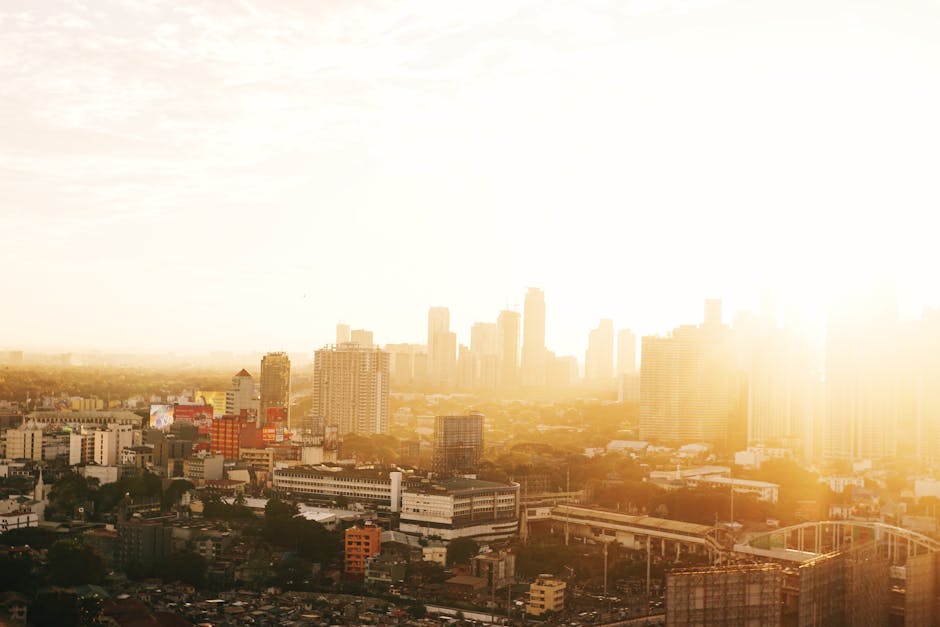
Climate-Engineered Skincare: Navigating Heat, Humidity, Pollution, and UV in Urban Southeast Asia
The landscape of skincare in urban Southeast Asia has fundamentally shifted. No longer is “humid weather” simply a matter of comfort—it is a proven driver of pigment-related aging and barrier damage. In 2026, those seeking skincare for humid climate, best sunscreen humid weather, and repair skin barrier humidity must adapt to the realities of relentless heat, humidity, pollution, and UV exposure. These converging factors especially impact oily-dehydrated, sensitive, and early-aging skin, presenting unique challenges for individuals striving for resilient, healthy skin. As a forward-thinking, clinically grounded brand, AURA is uniquely poised to address these needs with climate-adapted solutions rooted in real-world data.
Key Trends and Strategies
Heat and Humidity: Documented Aging Factors
A groundbreaking 2025 cohort study established that sustained exposure to high heat indices—combining temperature and humidity—directly accelerates facial hyperpigmentation and coarse wrinkles, independent of UV and age. In urban Southeast Asia, where humidity routinely surpasses 80% and UV indices exceed 10, this translates to daily environmental stress that drives visible aging and barrier dysfunction. Brands must respond with heat-index-adaptive systems, going beyond traditional claims for “humid climates” to demonstrate performance under actual environmental extremes.
The Barrier Paradox: Oily Yet Dehydrated
Skincare-literate audiences routinely report feeling “oily but tight”—a result of increased sweat and sebum in humidity, yet heightened transepidermal water loss (TEWL) and lipid damage from urban pollution and UV. Pollution further disrupts the skin’s lipid barrier, leaving users both shiny and dehydrated, sensitive yet prone to breakouts. This reality demands innovative technologies—such as lightweight, film-forming humectants and barrier-supportive antioxidants—that reduce TEWL without occluding the pores, ideally in formats akin to korean japanese skincare tropical skin.
Microbiome Under UV and Pollution: The Next Generation of Suncare
Recent reviews underscore the skin microbiome’s central role in modulating inflammation and UV response. Chronic exposure to urban pollution and nanoparticle-heavy sunscreens can reduce microbial diversity and impair barrier integrity. Brands must now offer microbiome-considerate sunscreen and soothing gel for redness humidity, integrating gentle dispersants, balanced UV filters, and anti aging serum humid climate that support barrier and microbiome resilience.
Climate Stress: A Daily Health Adaptation
Asia’s cities face increasing heatwaves and deteriorating air quality, with projections for rising climate-sensitive health burdens. Skin, as the body’s frontline defense, signals climate stress early. Strategic positioning must frame skincare not as a lifestyle accessory but as essential daily adaptation—an “urban climate resilience” platform.
State and Recommendations: Action Points for Brands
- Adopt Heat-Index Adaptive Textures: Develop lightweight, breathable, fast-drying formulations that remain comfortable at >30°C and >70–80% RH, while measurably reducing TEWL and strengthening the barrier. Focus on lightweight sunblock southeast asia and serum for oily dehydrated skin.
- System-Based, Barrier-Centric Routines: Build protocols around niacinamide, ceramides, Centella asiatica, and smart humectants—prioritizing clinical endpoints (hydration increase and TEWL decrease) rather than isolated actives.
- Integrated Pollution + UV + Microbiome Protection: Engineer daily protection to address PM2.5, UV, oxidative stress, and microbiome integrity as a combined threat. Emphasize best sunscreen humid weather in non-heavy, microbiome-considerate leave-on products.
- Early Anti-Aging for Pigment and Texture: Given proven links between heat + humidity and pigment-driven aging, target pigment regulation, barrier repair, and collagen preservation early, especially for users aged 25–40.
- Transparent Communication and Metrics: Clearly articulate internal data on TEWL reduction, hydration gains, and climate-specific testing, fostering trust among savvy consumers.
- Offer Personalized, Climate-Aware Routines: Leverage digital tools or coaching to match routines to local environmental data—explaining “confused skin” signals through environmental models.
Summary Comparison Table
| Dimension | Heavy Occlusive Western Products | Breathable Layered Systems (AURA/Asian) |
|---|---|---|
| Texture Suitability | Thick, slow-absorbing, occlusive—often uncomfortable in high humidity | Lightweight, fast-drying, layered—minimizes stickiness and overheating |
| Formulation Logic | Trend-driven (“active” focus) | Barrier-first, climate-adaptive, microbiome-smart |
| Results & Claims | Immediate cosmetic improvement, limited resilience | Long-term barrier resilience, pigment stability, real-world metrics |
| Environmental Adaptability | Lab-tested under standard conditions | Optimized for heat-index, high RH, and urban pollution |
Audience Segmentation: Challenges and Opportunities
Climate-Aware Skincare Users
These consumers demand products that adapt to heat, humidity, and pollution. They are frustrated by textures that clog or melt away, and prioritize breathable layered systems with proven TEWL and hydration metrics. Opportunities lie in systemized routines—such as the “Heat-Index Resilience Routine”—that clearly communicate performance in Southeast Asian conditions.
Sensitive / Compromised Skin
Sensitivity, redness, and microinflammation are exacerbated by pollution and UV. These users need soothing gel for redness humidity and microbiome-reset solutions, with minimal fragrance and nanoparticle load. Barrier repair via Centella, ceramides, and gentle antioxidants is key.
Oily-Dehydrated, Combination, and Reactive Skin Types
Urban environmental stress produces oily-yet-dehydrated skin, often leading to breakouts and persistent sensitivity. The challenge is balancing oil control and hydration without occlusion; solutions include serum for oily dehydrated skin and low-foam, pH-balanced cleansers—integrated in the “Oily-Dehydrated Balance Protocol.”
Early Anti-Aging (25–40)
With new epidemiological evidence linking heat and humidity to pigment-driven aging (study), early intervention must focus on pigment regulation, barrier repair, and collagen support. Lightweight anti-aging serums and daily UV-pollution-biomicrobiome protection are crucial.
Urban Southeast Asia: Comparative View
All segments face converging threats: relentless heat, humidity, pollution, and UV. What differentiates them is the intensity of barrier compromise, tendency to pigment, and age-driven changes. Systemized solutions—such as climate-adapted layering, microbiome-smart sunscreen, and targeted barrier serums—offer both immediate relief and long-term resilience.
- Climate-aware users: Seek logic, metrics, and comfort—opportunity for systemized routines.
- Sensitive skin: Needs calming and microbiome resets—opportunity for gentle, post-pollution care.
- Oily-dehydrated/reactive: Needs recalibration, not occlusion—opportunity for lightweight, barrier-centric protocols.
- Early anti-aging: Demand pigment and texture support—opportunity for advanced anti-aging serum humid climate solutions.
Key Insight
“In Southeast Asia’s urban climate, skin is not just a reflection of genetics or lifestyle—heat, humidity, pollution, and UV are now proven, converging drivers of aging and barrier dysfunction. True skincare innovation demands climate-engineered systems designed for resilience, comfort, and lasting health.”
Conclusion: Strategic Imperatives and What Comes Next
The 2026 ecosystem update makes it clear: urban Southeast Asia’s climate is now a daily health factor, with hard data linking heat, humidity, pollution, and UV as combined drivers of aging and barrier damage. For skincare-literate users, “confused skin” is an environmental signal—not a cosmetic flaw. Brands must respond with climate-adaptive, barrier-first, microbiome-smart systems, providing real-world metrics, transparent communication, and systemized solutions for skincare for humid climate.
As consumer expectations evolve, AURA’s positioning as a climate-resilience platform for urban skin stands to dominate the market—setting new standards for lightweight sunblock southeast asia, repair skin barrier humidity, and anti aging serum humid climate. The next phase will likely see increased regulation around microbiome and chronic exposure, further demand for locally relevant data, and a rise in personalized, climate-driven skincare routines. Those who adapt will be trusted partners in the health and resilience of Southeast Asian skin.