
How Manilas Humidity And UV Are Reshaping Skincare: The Rise Of Smart Routines With Telegram Bots And Shopee Carts
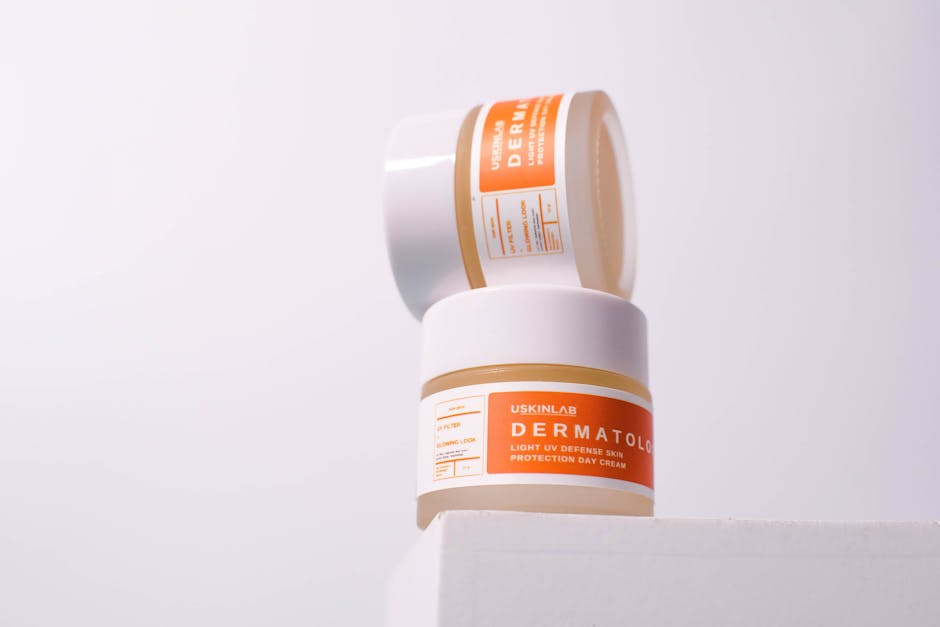
Future-Proofing Skincare in Manila: Automating Humidity- and UV-Responsive Routines
Urban Southeast Asia—especially cities like Manila—presents a unique challenge for skincare-literate consumers. The problem is no longer “What product should I buy?” but “What does my skin need today in this environment?” With fluctuating humidity, relentless UV exposure, air conditioning transitions, and pollution, skin signals can be contradictory: oily yet dehydrated, sensitive but breakout-prone, and prematurely aging under stress.
Frustration runs high with products that feel too heavy, too reactive, or simply ineffective in humid weather. The audience craves clarity, systemization, and products that integrate seamlessly into routines—a shift from isolated fixes to climate-adaptive protocols. This article explores how Telegram bots and Shopee smart carts are transforming responsive skincare for Manila’s climate-aware, digitally driven consumers, and why brands must evolve their formulation logic and communication.
Key Trends and Strategies
1. Sensitive Skincare Surges—Climate Stress Drives Demand
The sensitive skincare category in ASEAN is booming, projected to reach $2.27 billion by 2028. Key drivers include a rising prevalence of sensitive skin, aging populations, and persistent environmental stressors. Lighter textures, gentler ingredients (such as ceramides, hyaluronic acid, and peptides), and breathable layered systems are now baseline requirements for humid climates. Korean and Japanese skincare for tropical skin offers inspiration but must be reformulated for Manila’s unique conditions.
Sensitive and compromised skin requires adaptive support—routine layering that prioritizes barrier repair, hydration, and minimal irritation. RetailAsia shows that consumers are moving beyond trend-driven skincare, seeking formulation intent and clinical grounding.
2. UV Exposure—Routine Design Failure No Longer Acceptable
Many Southeast Asian consumers underestimate cumulative UV damage, believing pigment confers protection. This leads to inconsistent sunscreen use and increased risk of photoaging and skin cancer. Research from ScienceDaily / Stanford shows risky sun behaviors among Asian populations as they westernize.
Responsive routines now treat sunscreen as infrastructure: selecting best sunscreen for humid weather, lightweight sunblock for Southeast Asia, and maintaining rigorous reapplication schedules. Telegram bots can automate UV reminders, reinforcing adherence and protecting against long-term barrier breakdown.
3. Environment-Driven Skin Aging—Beyond Chronology
Studies reveal skin aging is strongly shaped by environmental exposure, not simply age. A review from PMC highlights how humidity and UV modifiers must be considered in routine design, with anti-aging serum for humid climate a must-have.
Routine logic must start with exposure management—prioritizing lightweight, barrier-supportive hydration and recovery, rather than reactive, heavy occlusives that fail in a sweaty commute. Repairing the skin barrier in humidity is a strategic imperative for both early anti-aging (25–40) and sensitive skin users.
4. Digital Discovery and Social Routine Guidance—Messenger Commerce
Skincare discovery and trust increasingly travel through family, influencers, and digital platforms. According to SSRN, Southeast Asian youth learn skincare first from family (69%) and trust influencers (58%), much more than Western teens.
Telegram bots and Shopee smart carts now fit naturally into behavior patterns—automating humidity and UV-responsive routine instructions, converting guidance into rapid replenishment of soothing gel for redness humidity, serum for oily dehydrated skin, and sweat-compatible moisturizers.
5. Commerce as Calibration—Smart Carts Replace Anxiety Shopping
Future-proofed skincare commerce in Manila means environmental signals drive replenishment. Shopee carts now build themselves around real scenarios: “Hot, humid week,” “Post-flare recovery,” or “High UV commute,” offering lightweight sunblock for Southeast Asia and non-greasy moisturizers.
Decision fatigue drops, routine drift is minimized, and consumers restock based on climate, not habit. Brands that operationalize this shift will drive confidence and loyalty.
State and Recommendations for Brands and Retailers
- Explicitly Design for Tropical Conditions: Label products for “humid weather,” “UV-heavy commute,” or “air-conditioned skin recovery,” not just generic skin types.
- Create Routine Logic Bundles: Offer solution sets: “Morning in humidity,” “Barrier rescue after UV exposure,” “Lightweight hydration for sensitive, oily-dehydrated skin.”
- Leverage Messaging Commerce: Use Telegram bots for environmental guidance and Shopee smart carts for dynamic replenishment paths.
- Back Claims with Evidence: Reference ingredient rationale (ceramides, hyaluronic acid, peptides) and product testing under local conditions.
- Educate for Adherence: Explain why routines must flex with weather; teach sunscreen infrastructure, barrier repair basics, and the limits of trend-driven fixes.
Summary Comparison Table
| Aspect | Heavy Occlusive Western Products | Breathable Layered Systems (SEA/Tropical) |
|---|---|---|
| Texture & Comfort | Rich, occlusive; often greasy in humidity | Fast-absorbing, lightweight; sweat-compatible |
| Routine Logic | Static steps; trend-driven layering | Adaptive layering; formulation logic by weather |
| Barrier Support | Short-term cosmetic fix; risk of over-treatment | Long-term resilience; barrier repair for humidity |
| Discovery/Purchase | Browsing, influencer trends | Bot-driven guidance, smart cart replenishment |
| Sunscreen Approach | Optional, high-SPF but often heavy | Best sunscreen humid weather; lightweight sunblock southeast asia |
Segmentation: Challenges and Opportunities
Climate-Aware Skincare Users: Adapt their routines to daily conditions, but frustrated by inconsistent execution. Opportunity: Bots that automate reminders and product swaps, Shopee carts built for real scenarios.
Sensitive/Compromised Skin: Prone to irritation under heat and humidity. Require soothing gel for redness humidity, barrier repair solutions. Challenge: Avoiding reactive shopping and over-cleansing. Opportunity: Guided routines that flex between recovery and active modes.
Oily-Dehydrated, Combination, Reactive Skin Types: Suffer both congestion and dryness, especially after repeated cleansing or air-conditioned transitions. Need serum for oily dehydrated skin, sweat-compatible hydration. Opportunity: Dynamic product weighting, less frequent exfoliation, environmental triggers for routine changes.
Early Anti-Aging (25–40): Seek prevention but intolerant of heavy products. Must prioritize anti aging serum humid climate, sunscreen adherence, and barrier repair humidity. Opportunity: Contextual product bundles, UV reapplication reminders.
Urban Southeast Asia: Exposure to pollution, stress, and frequent climate shifts amplifies skin drift. Require Korean Japanese skincare tropical skin adapted for local realities. Opportunity: Digital guidance, smart commerce, and systemized routine checkpoints.
Comparative Segment Table
| User Segment | Main Challenge | Biggest Opportunity | Winning Formula |
|---|---|---|---|
| Climate-Aware Skincare Users | Routine inconsistency under environmental stress | Automated decision support (Telegram, Shopee) | Responsive layering, lightweight sunblock |
| Sensitive/Compromised Skin | Barrier disruption, irritation in humidity | Barrier-supportive, soothing products, recovery routines | Ceramide-rich, soothing gel for redness humidity |
| Oily-Dehydrated/Combination/Reactive | Both congestion and dehydration, frequent cleansing | Dynamic protocol via bot-triggered adjustments | Serum for oily dehydrated skin, sweat-friendly hydration |
| Early Anti-Aging (25–40) | Premature aging, intolerance to heavy textures | Anti-aging serum humid climate, UV adherence reminders | Peptide-based, lightweight, UV-protective |
| Urban Southeast Asia | Pollution, climate drift, digital overload | Systemized routines, smart cart replenishment | Korean/Japanese skincare tropical skin logic |
"The new operating system for skincare in Southeast Asia isn’t more products. It’s routines that flex to humidity, UV, and stress—powered by messaging guidance and cart automation, not just trend-driven browsing."
Conclusion: Strategic Importance and Look Ahead
For skincare-literate consumers in Manila and urban Southeast Asia, the strategic imperative is clear: move from static, product-driven routines to responsive, adaptive systems anchored in climate and environmental logic.
Brands and retailers must now deliver credible, operational solutions—integrating formulation logic, clinical evidence, and digital guidance via Telegram bots and Shopee smart carts. This isn’t a luxury; it’s survival: routines that survive humidity, heat, and UV exposure are the new benchmark. As the sensitive skincare market expands, consumers will demand proof, not positioning.
Tomorrow’s winners will be those who offer best sunscreen humid weather, anti aging serum humid climate, and barrier repair humidity solutions that prove comfort and resilience under real conditions. Expect Southeast Asia to set the pace for messenger-driven, climate-responsive skincare commerce—where confidence comes not from miracle products, but from systems that deliver results, day after day.