
How Pollution, Heat, And Humidity Are Changing Skincare In Jakarta, Bangkok, And Ho Chi Minh City: The Rise Of Climate-Resilient Routines For Sensitive, Oily-Dehydrated Skin
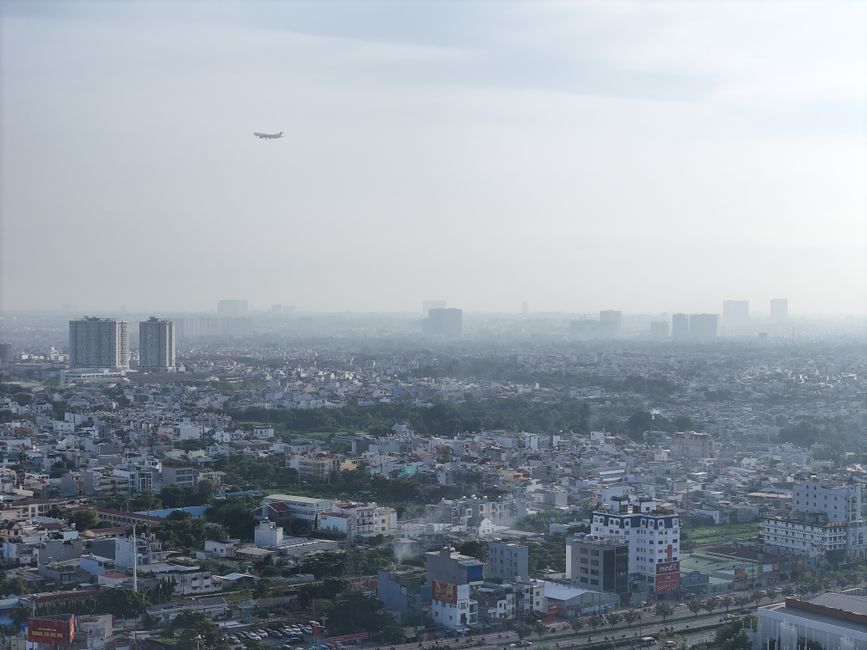
The August 2026 Urban Skin Ecosystem: Pollution, Heat, and Humidity — Why Southeast Asia Needs a Climate-Engineered Skincare Revolution
Urban Southeast Asia is entering a new era: one where PM2.5 pollution, relentless humidity, and extreme UV aren’t just environmental annoyances—they’re daily, measurable drivers of skin redness, sensitivity, breakouts, pigmentation, and accelerated signs of aging. For skincare-literate individuals battling oiliness with dehydration, persistent redness and reactivity, or photoaging under constant sun, the old playbook of heavy creams and single-hero fixes no longer works. What’s emerging instead is a demand for breathable, barrier-centric “skin systems”—lightweight, clinically intentional routines built for Southeast Asia’s unique atmosphere.
This comprehensive update unpacks why skincare for humid climate, best sunscreen humid weather, lightweight sunblock Southeast Asia, soothing gel for redness humidity, and serum for oily dehydrated skin are not just trends but necessities. It maps the clinical drivers, consumer mindsets, and actionable opportunities for brands like AURA—and anyone ready to future-proof their offerings for 2026 and beyond.
Key Trends and Strategies
1. Pollution as a Daily Skin Aggressor
Recent environmental data confirm that urban Southeast Asian cities are still exceeding WHO's PM2.5 air quality guidelines by 5-6x, with Indonesia averaging ~30 µg/m³ and Vietnam ~29.7 µg/m³ in 2025. These levels are clinically linked to oxidative stress, barrier disruption, melasma, redness, and accelerated wrinkling, even in oily or younger skin types (source). The “urban PM2.5 defense system” is no longer optional: skin must be protected at the level of daily cleansing, antioxidant defense, and pollution-stable sun care.
For Southeast Asian skin, especially those interested in serum for oily dehydrated skin or best sunscreen humid weather, products must remove PM2.5, sunscreen, and oxidized sebum without stripping, using low-surfactant, pH-balanced formulas, and include antioxidants like niacinamide, vitamin C derivatives, and ectoin in weightless textures (source).
2. Heat + Humidity: The Real Cause of “Oily but Dehydrated” Skin
Consistently high humidity and elevated temperatures—now defining features of Jakarta, Bangkok, Singapore, and Manila—raise sebum and sweat rates, promote TEWL, and degrade the skin barrier. This paradox creates “oily but dehydrated” signals: a shiny surface, but tight, easily irritated, or papery-feeling skin (source). The solution? Hydration without heaviness: water-based gels, humectant-rich serums (glycerin, hyaluronate, betaine), and film-formers engineered for the climate—think Korean Japanese skincare tropical skin but reformulated to address the relentless humidity and pollution of Southeast Asia.
Layered routines—repair skin barrier humidity, soothing gel for redness humidity, and lightweight sunblock Southeast Asia—outperform thick occlusives and are more sustainable under daily sweat, AC, and environmental stress.
3. The Rise of the Climate-Aware Consumer
A paradigm shift is underway: Over 65% of women in urban Southeast Asia blame pollution for their skin concerns. The region’s audience is skeptical of “one-size-fits-all” or heavy “repair” creams and single-claim actives. Instead, there’s a pivot towards brands that demonstrate formulation intent, clinical validation under humid and polluted conditions, and adaptability—products that remain effective despite sweat, commute pollution, and indoor AC (source).
The most successful offerings communicate:
- City- or climate-specific intent: e.g., cleansing optimized for Jakarta’s PM2.5, or sunscreen stability through Bangkok’s humidity.
- Routine architecture: systemized solutions for “oily-dehydrated commuter,” “sensitive, pigment-prone office worker,” and “early anti-aging combination skin.”
- Barrier-first logic: low-foam, microbiome-respecting cleansers, recovery gels, and antioxidant serums tuned for environmental resilience.
State and Recommendations
- For Brands:
- Engineer entire routines around climate-logic — not ingredient trends — with texture, surfactant, and actives selected for hot, urban, humid, and polluted environments.
- Develop “urban atmosphere defense” kits with labeled AM/PM steps for PM2.5, humidity, and UV, including educational content tied directly to real city data.
- Formulate pollution-aware sunscreen (sweat-stable, non-occlusive, minimal white cast) and anti-redness, barrier-strengthening serums (niacinamide, panthenol, ectoin) for urban skin stress.
- Offer online diagnostics and content—e.g., “Climate + City Skin Profile” quizzes mapping routines to pollution/humidity indices—for even higher engagement.
- For Users:
- Prioritize breathable, hydrating layers over occlusive “repair” creams—especially for skincare for humid climate and serum for oily dehydrated skin.
- Embrace routine layering (gentle cleansing, antioxidant/barrier serum, lightweight sunblock Southeast Asia, calming recovery gel) morning and night, tuned to your commute, office, or workout.
- Choose products with clinical validation for humid, polluted environments: look for data or claims on barrier markers, redness reduction, pigment smoothing, or TEWL under real-world conditions.
- Be climate-aware: Adjust routines with the season, city, and pollution/UV reports; treat your skin as part of a living, urban ecosystem.
Comparison Table: Meeting Southeast Asia’s Urban Skin Challenge
| Heavy Occulsive Western Products | Breathable Layered Skin Systems | |
|---|---|---|
| Texture and Sensory | Greasy, thick, occlusive; feels suffocating in humidity | Weightless gels, serum-layering, quick absorption; adapts to heat/sweat |
| Formulation Logic | Trend-driven (e.g., ceramide balms) for winter/temperate climates | Purpose-built for PM2.5, UV, and high humidity (e.g., humidity-proof hydrators) |
| Skin Outcomes | Clogs, overheating, increased breakouts, barrier suffocation | Clearer, less irritated, resilient skin; balanced oil and hydration; visible reduction in redness and reactivity |
| Longevity | Short-term moisture, but barrier and microbiome may worsen over time | Long-term barrier resilience, pigment reduction, and aging prevention |
| Routine Philosophy | Single-step fixes, not systemized for environment | Integrated, climate-specific routines for different city/stress profiles |
User Segmentation: Challenges and Opportunities
1. Climate-Aware Skincare Users
This growing group seeks climate-specific, systemized routines. They respond to brands that show clinical grounding (e.g. barrier markers, pigment tracking under pollution) and demonstrate why lightweight sunblock southeast asia is superior. Opportunity: Engage them with transparent, educational content and systems built for their urban, digital, and mobile lifestyle.
2. Sensitive / Compromised Skin
Chronic exposure to PM2.5 and humidity keeps this segment’s barrier in a low-grade inflammatory state—redness, stinging, frequent flare-ups. Risks: Many products marketed as “repair creams” worsen congestion and discomfort. Opportunity: Deliver barrier-first, microbiome-respecting cleansers and soothing gel for redness humidity with proven calming actives, all in featherlight textures.
3. Oily-Dehydrated, Combination, and Reactive Skin Types
High sebum + pollution = oxidized oil, clogged follicles, and dullness, especially in those who feel dehydrated despite shine. The challenge is balancing hydration with sebum control—most Western regimens fail here. Opportunity: Serum for oily dehydrated skin that targets both pathways, using non-comedogenic, humectant-rich, fast-absorbing ingredients and best sunscreen humid weather that resists sweat and pollution layering.
4. Early Anti-Aging (25–40)
Photoaging, pigmentary disorders, and texture changes now emerge early due to the intersection of UV, pollution, and humidity-induced inflammation. This segment needs anti aging serum humid climate, light but potent antioxidant formulas, and repair skin barrier humidity technology. Opportunity: Market proven Korean Japanese skincare tropical skin logic, but with clinical validation for Southeast Asian megacities.
5. Urban Southeast Asia: The Macro Opportunity
High literacy, high frustration: this region’s consumers are ready for brands that treat the environment as the foundation for every formula and system. The opportunity? Dominate with climate-engineered, barrier-savvy systems designed for PM2.5, UV, sweat, and heat—not just for today, but for a hotter, more polluted future.
Comparison Segment
- All segments share the need for lightweight, breathable, layered solutions, but the sensitive/reactive group prioritizes calming, while oily-dehydrated types require dual-path hydration and sebum management.
- Early anti-aging users are especially vulnerable to pigment and collagen damage from the pollution-UV synergy and need focused, preventative systems.
- Climate-aware generalists are the best advocates for routine-systemization and education-led brands.
“The convergence of pollution, heat, and humidity is shifting skincare from a preference-driven market to a clinical necessity—those who systemize, validate, and adapt for Southeast Asia’s reality will define the category in the years ahead.”
Conclusion: The Strategic Imperative
The 2026 update is not just a trend report—it’s a blueprint for a long-overdue transformation in Southeast Asian skincare. The intersection of PM2.5, relentless humidity, sweat, sebum, and UV is reshaping the industry’s logic, demanding climate-centric, barrier-savvy, lightweight systems as the new gold standard. The brands that win—AURA among them—will do more than just substitute textures or add actives. They will build routines as “skin atmospheres”: tuned for each city, each user, each hour, embedding the science of pollution-resilience, humidity-adaptation, and urban anti-aging at every layer.
Opinion: Over the next five years, as air quality worsens and climate volatility increases, Southeast Asia’s consumers—and their skin—will outpace traditional skincare paradigms. Expect further convergence between urban data, skin diagnostics, and systemized routines, with Southeast Asia leading global innovation in real-world climate skincare. For those who systemize, educate, and prove climate performance, the future is bright—and barrier-strong.