
How Pollution, UV, And Blue Light Are Accelerating Skin Aging In Jakarta, Manila, Bangkok, Hanoi, And Ho Chi Minh City—The 2026 Guide To Climate‑Adaptive Skincare For Urban Southeast Asia
Urban Southeast Asia 2026: Why Skin Resilience, Not Just Glow, Is the New Beauty Differentiator
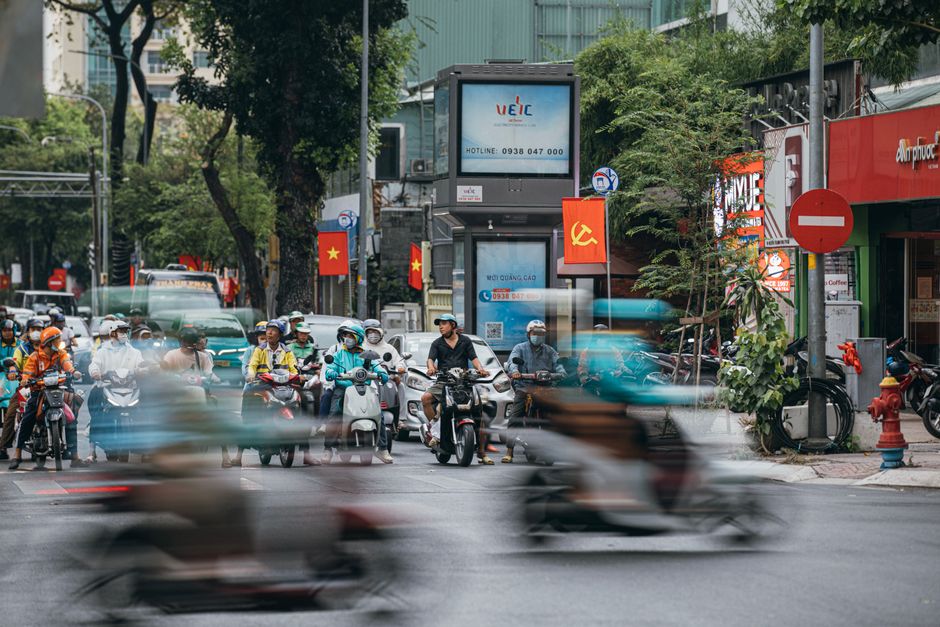
In August 2026, the single most urgent reality for skincare-literate consumers in Southeast Asia is inescapable: urban environments across Jakarta, Manila, Bangkok, Hanoi, and Ho Chi Minh City are now permanent “pollution and photostress zones.” Nearly every resident lives with air far above World Health Organization’s safe limits, intense year-round UV, and continuous blue-light exposure from screens and LEDs.
This convergence is transforming not only skin health, but the logic, texture, and purpose of every product in your routine. For those with oily-dehydrated, sensitive, or early aging skin who demand more than just fleeting radiance, the message is clear: It’s time to prioritize barrier resilience, photopollution defense, and real-time adaptivity for humid climates—not just another fleeting “glow.”
Whether you seek the best sunscreen for humid weather, a lightweight sunblock for Southeast Asia, or a soothing gel for redness in humidity, the pressing question is: How can your skincare system adapt to Southeast Asia’s new environmental baseline?
Key Trends and Strategies: The 2026 Urban Skincare Imperative
1. Pollution as a Daily, Quantifiable Skin Aggressor
According to WHO assessments, 99% of Southeast Asians now breathe air exceeding safe quality thresholds, saturated with PM2.5, ozone, and nitrogen oxides from traffic, factories, and crop burning (Lancet review).
For skin, this means relentless exposure to pollutants capable of:
- Generating free radicals and oxidative stress that degrade barrier lipids and proteins (see analysis).
- Worsening dehydration, uneven tone, and inflammation, while paradoxically boosting sebum—explaining the “shiny but tight” pattern so common in urban humidity (recent dermatology review).
- Driving hyperpigmentation and premature wrinkle formation especially in those already prone to oil imbalance and barrier fragility.
2. Climate, Humidity, and “Photopollution”: The Heat-Humidity-UV Stack
Rising temperature and chronic humidity—now compounded by climate change—mean sweat, oil, and microbiome shifts are amplified. In heavy, occlusive products, this triggers congestion and reactions, not comfort (see clinical review).
Importantly, UV and pollution now act synergistically, impairing DNA repair and collagen structure at younger ages. This “photopollution” accelerates pigmentary disorders and wrinkles—especially for those in the 25–40 “early anti-aging” bracket. The best sunscreen for humid weather is now a lightweight, non-occlusive yet high-protection formula, ideally with visible-light defense too.
3. Blue Light: The Silent Aggressor Accelerating Urban Skin Aging
Multiple contemporary studies confirm that high-energy visible (HEV) blue light from screens and LED lighting penetrates deeper than UVB, generating reactive oxygen species, activating pigment, and triggering collagen breakdown via matrix metalloproteinases (JID 2022).
In 2026, daily blue-light exposure now exceeds UV for most urban users—a key reason for stubborn pigmentation, “tech-neck,” and dullness even in diligent sunscreen users. Protection against blue light is no longer optional for anti-aging in Southeast Asia’s screen-heavy culture (Dermatology Times).
4. The Rise of Systematized, Climate-Engineered Routines
The new generation of korean and japanese skincare for tropical skin isn’t just about trends—it’s about architecture. Systematization, not product chaos, is the new north star:
- Gentle cleanser – Antioxidant serum (targeting pollution and blue light) – Barrier gel (repair for skin barrier in humidity) – Climate-adaptive sunscreen (best sunscreen humid weather) – Occasional targeted mask or serum (serum for oily dehydrated skin, anti aging serum humid climate).
- Each step functions with formulation logic: not just layering for layering’s sake, but to address specific, clinically-documented mechanisms, from ROS to pigment induction to microbiome stress.
State and Recommendations: Core Actions for Brands & Consumers
- Embrace Pollution-Adaptivity: Formulate with non-occlusive ceramide-cholesterol gels and robust antioxidants such as niacinamide, ectoin, or polyphenols. Avoid heavy Western-style occlusive bases: these are comedogenic under perpetual humidity (see pollution/occlusion study).
- Prioritize Blue-Light and Visible-Light Defense: Seek sunscreens with iron oxides, pigment filters, or blue-light-focused antioxidants (resveratrol, L-ascorbic acid derivatives, peptides), especially for pigmentation and anti-aging concerns.
- Systematize and Simplify Routines: Use step-wise, non-reactive regimens. Avoid over-cleansing or frequent switching, which can strip an already challenged barrier.
- Educate and Reframe Messaging: Anchor product claims in the reality of Southeast Asian urban stressors—pollution, UV, blue light—backed by clear scientific sourcing, not Western marketing tropes.
- Test and Communicate Local Adaptivity: Demonstrate performance of lightweight sunblock southeast asia, soothing gel for redness humidity, or repair skin barrier humidity products in real Southeast Asian conditions—not just “normal” lab air.
Summary Comparison Table
| Approach | Heavy Occlusive Western Products | Breathable Layered Systems (AURA approach) |
|---|---|---|
| Texture & Sensory | Thick, greasy; high chance of congestion in humidity | Lightweight, quick-absorbing; suited to humid climates |
| Formulation Logic | Trend-driven; “one-size-fits-all” | Science-based, systematized by environmental mechanism |
| Focus | Short-term cosmetic fixes (occlusive moisture, temporary glow) | Long-term barrier resilience; anti-aging, pollution + blue-light defense |
| Typical User Results | Breakouts, sticky residue, limited resilience to air/climate stress | Improved oil-water balance, reduced pigmentation/flaring, enhanced skin comfort in urban Southeast Asia |
Audience Segmentation: Challenges & Opportunities
1. Climate-Aware Skincare Users
Challenge: Frustration with products that melt, clog, or worsen oil-sensitivity under unrelenting heat/humidity.
Opportunity: Layered routines with lightweight sunblock southeast asia, soothing gel for redness humidity, and repair skin barrier humidity—offering daily resilience, not just fleeting comfort.
2. Sensitive & Compromised Skin
Challenge: Barrier is stripped by pollution, over-cleansing, and blue-light oxidative stress; flare-prone.
Opportunity: Microbiome-friendly cleansing, non-occlusive barrier gels, and antioxidants calibrated for city air—integrated into routines with soothing gel for redness humidity and gentle vitamin B3/ectoin serums.
3. Oily-Dehydrated, Combination, and Reactive Types
Challenge: Paradoxical “shiny but dehydrated” pattern from increased pollution-driven sebum and humidity-triggered water loss; plagued by breakouts and pigment.
Opportunity: Routine integrating serum for oily dehydrated skin (niacinamide, PHA, humectants), breathable gel-cream with barrier lipids, and lightweight sunblock southeast asia rich in antioxidants.
4. Early Anti-Aging (25–40)
Challenge: First signs of fine lines and pigment (melasma, age spots) appearing years earlier; standard “anti-aging” creams far too heavy.
Opportunity: Anti aging serum humid climate—light formulas with stabilized vitamin C, peptides, resveratrol, and visible/blue-light filters, designed to defend and repair even in perpetual summer.
5. Urban Southeast Asia - Macro Perspective
Challenge: The convergence of unsafe air, relentless UV, and chronic digital screen time is now permanent. Most residents lack access to systems that address all three.
Opportunity: Position Southeast Asia’s leading brands as climate-engineered, scientifically adaptive—solving for actual bioenvironmental reality, not outdated Eurocentric myths. [WHO Data]
Comparison: Key Needs by Segment
| User Segment | Main Challenges | Strategic Product/System Response |
|---|---|---|
| Climate-Aware | Sticky, comedogenic products; insufficient pollutant/UV defense | Layered, breathable systems; blue-light/antioxidant step |
| Sensitive/Compromised | Flare-ups, barrier fragility | Microbiome-respectful, gentle, stepwise defense and repair |
| Oily-Dehydrated/Reactive | Oil-water imbalance; pigment/texture issues | Humectant-rich serum for oily dehydrated skin, non-occlusive balm, visible-light sunscreen |
| Early Anti-Aging | Accelerated lines, pigment, “tech-neck” | Anti aging serum humid climate, blue-light/UV shield, peptide antioxidant combo |
“The new definition of beauty in Southeast Asia is not escape from the environment, but resilience within it—where your routine delivers measurable defense against pollution, UV, and blue light, every single day.”
Conclusion: Strategic Takeaways & What’s Next
The era of “glow” as an isolated claim is over. In 2026, every urban consumer in Southeast Asia is living—statistically and biologically—inside a permanent pollution and photostress zone. That reality demands a new generation of climate-engineered, clinically-grounded, and systematized skincare—geared not for fleeting trends, but for daily resilience in humidity, toxicity, and digital light.
Brands that can meet the need for best sunscreen humid weather, soothing gel for redness humidity, repair skin barrier humidity, and seamless routines will lead the region.
What’s coming next? Expect to see even more granular systemization—AI-driven “pollution index” routines, adaptive formulas for morning vs. evening light stress, and growing integration between korean japanese skincare tropical skin principles and hardcore environmental dermatology.
For Southeast Asia’s beauty landscape, the winners will be those who treat environmental adaptation not as a selling point, but as the baseline for every formula, every user, and every day.