
How Precious Metals Are Shifting In North America And Europe: Recycling, Digital Investment And Industrial Recovery Opportunities
Gold, Silver, and the New Age of Precious Metals: How Recycling, Digital Investment, and Strategic Partnerships Are Reshaping the Industry
For centuries, the precious-metals industry has been emblematic of wealth, security, and enduring value. These metals, most notably gold, silver, platinum, and their rarer cousins, have served as both a cornerstone of global finance and a critical resource for technological and industrial progress. Traditionally, the landscape was dominated by mining and refining, with bullion traded through established channels. Yet today, in the face of shifting consumer behavior, technological innovation, and mounting environmental concerns, the industry stands at a crossroads.
This exposé explores a pivotal transformation: the move from conventional refining toward recycling, digital products, and technology-driven partnerships, bringing fresh opportunity, volatility, and profound real-world implications. Key players such as Metalor Technologies, Heraeus, and The Royal Mint are leading this charge, each adapting to a market that prizes resilience, transparency, and sustainable sourcing. As we trace their decisions and strategies, we uncover not only the forces reshaping supply chains but also the lessons essential for investors, industrial users, and forward-thinking executives.
The Evolution from Refining to Recovery: A New Paradigm Emerges
Industry consolidation and regional expansion are defining characteristics of the modern precious-metals sector. Metalor Technologies, part of Japan’s Tanaka group, recently agreed on a landmark acquisition of Gannon & Scott, a US-based provider specializing in precious-metals refining and recovery. The strategic intent is clear: empower robust, regionally distributed sourcing and recycling networks that span gold, silver, platinum, palladium, rhodium, iridium, and ruthenium.
Geographic reach and supply-chain resilience are now prioritized, recognizing that local recovery services are crucial for both industrial users and the broader market. By integrating North American capacity, Metalor strengthens its ability to weather disruptions and meet rising demand for recycled metals, a shift that competitors must heed as the industry consolidates around secondary supply.
Heraeus: Reorganizing for a Tech-Driven, Institutional Future
Strategic restructuring is underway at Heraeus, a global leader long synonymous with high-grade refining and retail bullion. As of July 2026, its Precious Metals division is separated into two independent operating companies, with Argor-Heraeus gaining autonomy. This tactical pivot aims to clarify business focus and create agile operations for different market segments.
Exit from direct retail signals a marked departure for Heraeus. By winding down its Hanau Goldstore and online shop by November 2026, and completing the transition by the end of Q1 2027, Heraeus acknowledges that consumer bullion sales are no longer universally attractive, especially amid persistent price volatility.
Market conditions and volatility continue to challenge profit margins. Heraeus recently reported gold trading below $4,250 per ounce, silver testing support below $60, platinum retreating under $1,700, and palladium near $1,135, all reflecting the influence of a stronger US dollar and energy-market uncertainty. Businesses dependent on precious-metals margins must prepare for ongoing volatility and subdued demand for platinum-group metals.
The Royal Mint: Fusing Digital Access with Urban Mining
Digital products and democratized investment are flourishing at The Royal Mint as the industry adapts to a price correction. Demand for VAT-free digital precious metals has soared 30% year on year, with Digital Gold up 14% and Digital Silver surging 162%. When gold dropped below £3,000 per ounce, website purchases jumped 29% above the quarter’s daily average, and liquidations fell by an equal measure. On the strongest day, customers bought five times more gold than they sold, signaling a shift toward active, opportunity-driven trading.
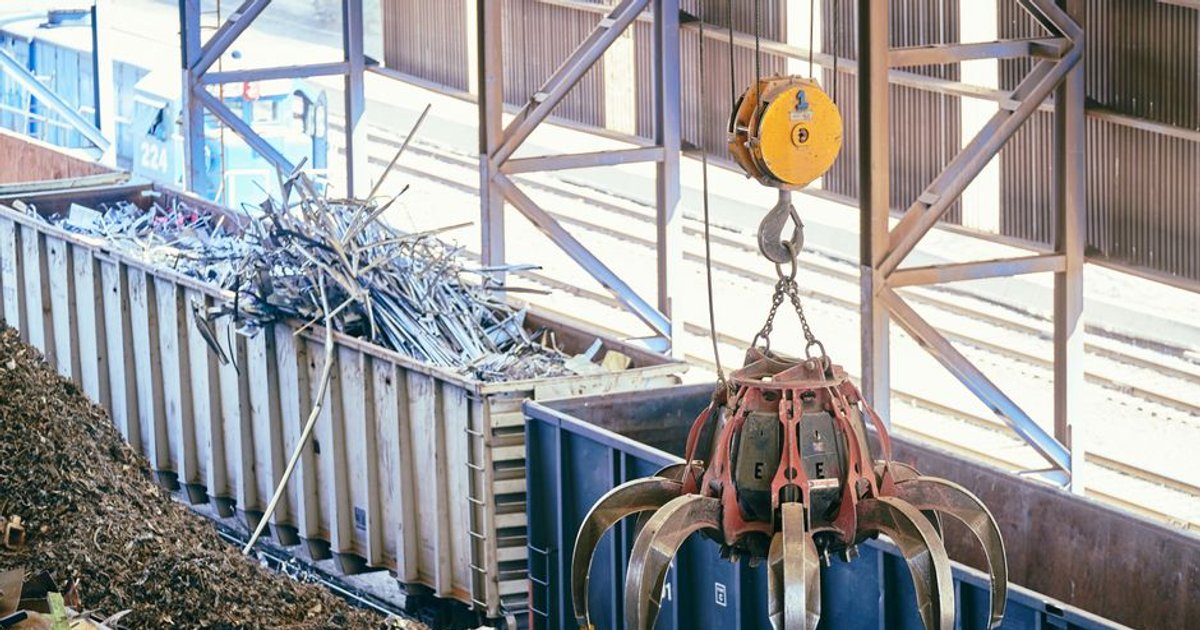
Urban mining and circular economy are also gaining traction. The Royal Mint’s new 3,700-square-metre Reformation Metals facility is capable of processing up to 4,000 tonnes of printed circuit boards annually, recovering gold and other metals directly from e-waste. This investment in circular-economy infrastructure not only supplies metals but also boosts sustainability credentials and provides a domestic source for recycled materials.
Enabling ESG reporting and fractional ownership, The Royal Mint is uniquely positioned to combine digital investing with tangible, environmentally responsible infrastructure. Opportunities abound for firms specializing in e-waste collection, data-driven custody arrangements, and transparent exit strategies, meeting both investor and institutional demand for ethical sourcing.
Comparative Perspectives: Traditional Refining Versus New Models
Conventional refining relied largely on mined ore and centralized processing facilities, often distant from end-markets. This approach meant reliance on global supply chains, which proved vulnerable to geopolitical and logistical disruption.
Emerging models prioritize recycling, regional recovery, and digital access. Metalor’s expansion into North America, Heraeus’s focus on industrial recovery and technology, and The Royal Mint’s digital products and urban mining are emblematic of this shift. These tactics create shorter, more resilient supply chains, reduce environmental impact, and foster new entry points for investors of all sizes.
Investor implications are stark: while traditional bullion investment favored large, up-front capital and long-term holding, digital products like VAT-free precious metals and fractional ownership encourage frequent, smaller-scale trading. For industrial customers, a network focused on recycling and recovery promises greater supply reliability and encourages innovation around circular sourcing.
Data and Real-World Implications: Volatility, Opportunity, and Adaptation
Price volatility remains a defining feature. Gold, silver, and platinum-group metals have all faced pressure from macroeconomic and energy-market forces. Heraeus’s figures warn of continued challenges for businesses reliant on stable margins. Decision-makers must anticipate further shifts as digital access and recycling become widespread.
Recycling as strategic infrastructure is a game-changer. Facilities with the capacity to process thousands of tonnes of e-waste, such as The Royal Mint’s Reformation Metals hub, enable not just metal supply but also strong ESG credentials and domestic independence. As Metalor’s acquisition of Gannon & Scott shows, regional recovery capacity is now a competitive edge, rather than a supplementary operation.
Tactical recommendations include pursuing recycling partnerships, expanding regional refining capability, and developing digital precious-metals products. Industrial recovery contracts are becoming increasingly valuable, while consumer-facing businesses must provide transparency, low-entry access, and credible custody arrangements to build trust and win market share.
Key Insight for Future Action
As the precious-metals industry converges on recycling, digital access, and regional capacity, leaders must recognize that resilience, both environmental and operational, is the new currency of value. Those who embrace transparent, technology-driven strategies will not only survive but shape the next era of sustainable growth.
Forward-Thinking Insights: Navigating Volatility and Capitalizing on Change
Adaptive leadership is essential. The industry’s embrace of recycling, digital investment, and technology partnerships signals an era where agility, local knowledge, and environmental stewardship matter as much as refining prowess.
For Growth HQ, there are clear opportunities in recycling partnerships and digital precious-metals products. Regional recovery and industrial contracts are poised for growth as more firms look to secure supply chains and limit exposure to price swings.
For GoodHelp and retail investors, transparent, low-entry products with clear explanations of price volatility and robust custody are vital. Providers that pair digital convenience with credible recycling and exit strategies will attract a new generation of users seeking ethical and flexible investment options.
The Strategic Importance of Precious Metals in a Transformed Landscape
Holistic value is overriding conventional margins. As refining consolidates and retail distribution is repriced, the sector must continue its pivot to technology, recycling, and regional partnerships. Digital access broadens participation, while recycling and urban mining reinforce supply and sustainability.
Risk management is more crucial than ever. Price fluctuations, energy-market impacts, and weaker industrial demand require sophisticated, multifaceted strategies. Firms must prepare for continued volatility by diversifying sourcing, investing in recovery infrastructure, and offering digital products that foster investor engagement and confidence.
Sustainability and resilience are at the heart of future success. Facilities capable of processing large-scale e-waste and networks attuned to regional recovery represent not just operational efficiency, but strategic assets in a world increasingly focused on ESG performance and domestic sourcing.
Conclusion: A Call to Strategic Action
The precious-metals industry stands on the threshold of a new age, one shaped by recycling, digital innovation, and regional cooperation. The moves by Metalor, Heraeus, and The Royal Mint exemplify the urgent need to adapt and lead. Commercial opportunity lies in partnership, infrastructure, and transparent digital products that invite wider participation and reinforce supply resilience.
As volatility persists and traditional retail channels recede, the industry’s future will be written by those who can blend environmental responsibility with operational agility and investor trust. For decision-makers, this means investing boldly in recovery networks, digital platforms, and ESG-informed business models. The gold standard is no longer just a commodity, but a blueprint for sustainable growth and strategic value.
The time to act is now, before the next cycle of innovation renders old models obsolete. Embracing this multifaceted transformation will ensure that precious metals continue to underpin prosperity, technological progress, and ethical stewardship for decades to come.