
How Real-Time Environmental Data From Singapore, Jakarta, And Manila Can Transform Your Nighttime Skincare Routine With Shopee Integration
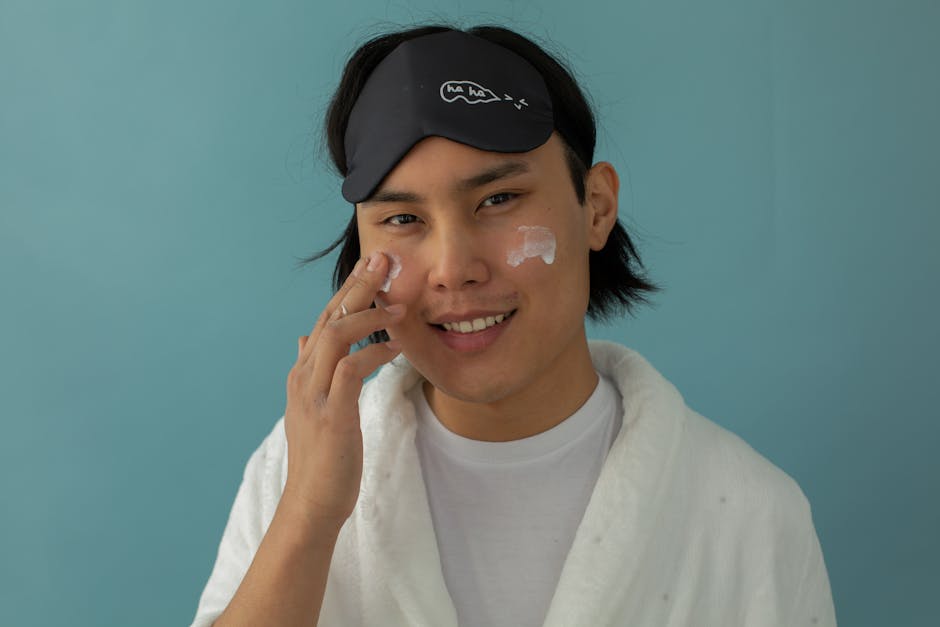
How API-Driven Skincare Routines & Shopee Integrations Are Revolutionizing Humid Climate Skincare in Southeast Asia
Southeast Asia’s metropolitan heartlands—Singapore, Jakarta, and Metro Manila—are laboratories of environmental extremes. With UV indices persistently in the “very high” to “extreme” category, suffocating humidity, unpredictable haze episodes, and traffic-laden pollution, skin here is not merely “sensitive”—it is overstimulated, reactive, and often misunderstood by one-size-fits-all product logics. For those battling unpredictable oiliness with underlying dehydration, sensitivity, breakouts, and stubborn pigment, the fatigue with “trending” products that melt under humidity is real.
The next frontier: using government-grade data from Singapore NEA, Jakarta BMKG, and Manila PAGASA to automate nightly PM routine swaps—and linking this system directly to Shopee carts. It’s a seismic leap from random “weather skincare” tips to a clinically grounded, responsive operating system for your skin.
This article unpacks the tech, biology, and behavior driving this shift, offering immediate steps and strategic playbooks for brands and creators. Expect actionable insights, a clear comparison of legacy vs. adaptive approaches, and guidance for climate-aware, urban users seeking the best sunscreen for humid weather, lightweight sunblock for Southeast Asia, repairing their skin barrier in humidity, and beyond.
Key Trends and Strategies
1. Environmental Data Feeds: Skin’s New Operating System
The public release of high-resolution, programmable feeds by Singapore NEA, Jakarta BMKG, and Manila PAGASA has unlocked real-time UV, PM2.5, heat, and humidity indices. These metrics now power “smart” decision engines that dictate whether you reach for a soothing gel for redness in humidity or a barrier-repairing ceramide serum after a haze day.
In this framework, the routine flexes as the day’s “micro-climate” shifts—avoiding the suffocating creams built for European winters and focusing on breathable, layered systems (often inspired by Korean/Japanese skincare for tropical skin) that support the barrier without occlusion.
2. Shopee: From Marketplace to Fulfillment Brain
Shopee’s evolution from a broad e-commerce checkout to a programmable CRM and cart ecosystem is pivotal. Now, Shopee can serve as the backend for environmental “mode” sets—automatically filling your cart with the precise SKU mix (e.g., serum for oily dehydrated skin plus a lightweight sunblock for Southeast Asia) needed for tonight’s predicted air quality or UV stress.
For a brand like AURA, this integration means “mode-aware” recommendations, inventory nudges (e.g., extra haze kits ahead of monsoon), and upstream bundling of anti-aging serum sets for humid climates (see Retail Asia).
3. User Behavior: The Shift to Adaptive, Evidence-Led Routines
Asian consumers, especially in Singapore and Jakarta, are abandoning static routines and “holy grail” product hunts. The drive: persistent flares despite diligent use of “best-in-class” actives, and the realization that what works on a dry London night is a recipe for disaster on a 35°C, 90% humidity Singapore evening.
Instead, users want:
- Clear, science-backed guidance on when to dial up antioxidants vs. acids
- Mode-based kits that flex for UV spikes, haze, or heavy AC exposure
- Transparency on why a routine changes and which products map to which environmental conditions
This is especially relevant for climate-aware skincare users and urban Southeast Asians, who have learned the long-term cost of UV and pollution-driven aging.
State and Recommendations: Action Steps for Brands
- Establish Dynamic “Night Modes” Tied to City-Specific Environmental Data: Automated triggers—e.g., UV ≥11, PM2.5 spikes, heat index ≥38°C—should dictate the PM kit, not marketing cycles. For Manila, Jakarta, and Singapore, tune thresholds via official API access.
- Bundle for Modes, Not Just Skin Types: Create modular kits (e.g., “Haze Defense,” “AC Recovery”) mapped to real environmental triggers. Each should include a core cleanser, a hydrating serum, barrier repair, and the option to add-on actives as the stress load allows.
- Leverage Shopee’s Programmatic Deep Links: Maintain mode-specific carts/bundles on your Shopee store, with instant “add all” actions from your brand’s app or notifications, so users can replenish with minimal friction when haze or UV clusters hit.
- Educate on Layering and Texture Logic: Highlight why heavy occlusives fail in high humidity and how breathable layering with silicone-light or gel-based systems reduces irritation and occlusion, especially for sensitive / compromised and oily-dehydrated skin.
- Systematize Influencer and Family-Focused Education: Given that 69% of teens learn from family and 58% from influencers (see source), provide mode-based routine charts, comparison tables, and Shopee sharing tools to accelerate community adoption.
- Anchor Claims in Clinical Data: Reference studies correlating sun exposure, PM pollution, and facial aging (see clinical evidence), and explain the difference between environmental sensitivity and “reaction to actives.”
Summary Table: Static vs. Adaptive Skincare Approaches
| Legacy Approach | Adaptive, Data-Led System |
|---|---|
| Heavy Occlusive Western Products - Thick creams, balms, and layered oils for dryness - Often too rich for 32–35°C, 80–95% humidity - Increase risk of occlusion, breakouts, and malaise | Breathable, Layered Systems - Gel-based, silicone-light, water-rich layers - Korean/Japanese tech adopted for tropical skin - Focus: barrier resilience, comfort, and flexibility |
| Trend-Driven Skincare - Buys based on launches, influencer hypes - Overlapping or redundant products - Lacks context or seasonality | Formulation Logic - Every product mapped to a role (e.g., antioxidant for UV nights) - Bundles built around environmental states, not fads - Clear sequencing for best sunscreen and anti-aging serum for humid climate |
| Short-Term Cosmetic Fixes - Quick mattifiers, instant brighteners - “Plumping” with no barrier logic - Sensitive flares increase with layering actives on stressed skin | Long-Term Barrier Resilience - Prioritizes ceramides, peptides, and humectants - Locks in repair on high UV/pollution days - Lowers cumulative irritation, supports early anti-aging |
Segmentation: Audience Challenges and Opportunities
Climate-Aware Skincare Users
- Challenge: Static routines break down under variable haze/heat/UV. Over-reliance on Western solutions leads to breakouts and discomfort.
- Opportunity: Adopt automated, mode-based routines, swapping in best sunscreen for humid weather and lightweight, serum-based hydration as conditions demand.
Sensitive / Compromised Skin
- Challenge: Prone to both stinging/irritation from actives and environmental triggers (pollution, UV, heat shocks).
- Opportunity: Anchor routines on soothing gel for redness humidity and additive-free barrier serums; skip abrasive actives on “bad air” days.
Oily-Dehydrated, Combination, and Reactive Skin Types
- Challenge: Paradox of oiliness atop tight or rough skin; typical “oil control” strips the barrier, making matters worse.
- Opportunity: Use intelligent swaps—hydrating serum for oily dehydrated skin, lightweight sunblock Southeast Asia, and avoid redundant mattifiers. Let heat, humidity, and PM2.5 indices dictate active usage frequency.
Early Anti-Aging (25–40)
- Challenge: Underestimate UV and pollution’s compounding effect on pigment, lines, and “perceived age” (clinical evidence here).
- Opportunity: Integrate anti-aging serum for humid climate only when skin status and air quality allow; otherwise, prioritize barrier and antioxidant nights. Use Shopee’s replenishment logic to ensure actives are matched to conditions, not impulse.
Urban Southeast Asia
- Challenge: Chronic exposure to traffic, haze, and fluctuating indoor/outdoor climate; routines fragmented by “hacks” rather than system logic.
- Opportunity: A living “Skin OS”—built atop NEA/BMKG/PAGASA feeds—aligns product usage and purchasing with real-world exposure. Facilitates sharing of routine logic across households and influencer networks, accelerating better outcomes with less trial and error.
Comparison Segment
While all groups face accelerated barrier stress and pigment risk, sensitive and reactive skin users will benefit disproportionately from mode-aware, gentle routines. Oily-dehydrated types need the most flexibility in texture and actives frequency. Early anti-aging users, often keen but under-informed, should prioritize antioxidant and barrier layering over aggressive actives. Urban dwellers across all types will see the most immediate gains from Shopee-integrated replenishment and a “climate logic” approach.
The era of static, “best guess” routines is closing. Southeast Asian skin deserves—and now, through API-driven logic and Shopee integrations, can truly achieve—a living system that adapts nightly to the realities of its climate.
Conclusion: The Strategic Imperative and What’s Next
Environmental stress in metro Southeast Asia is chronic, unpredictable, and too intense for “imported” routines. By systematizing adaptation—using APIs, clear routine modes, and Shopee logistics—both users and brands can finally close the results gap between intention and outcome. The winners will not be those with the biggest influencer spend, but those who build a legitimate “skin operating system” for real conditions.
As consumers demand more clinical grounding, ease, and logic, expect a migration toward platforms and brands that can automate, personalize, and fulfill the true needs of humid climate skin. The next wave: real-time routine adjustments, predictive replenishment, and education that demystifies the “why” behind every step. Move quickly, and you’ll help lead the new standard—one where the best sunscreen for humid weather and the optimal serum for oily dehydrated skin are not just picked, but systematized, for life in Southeast Asia.