
How Singapores 2026 “AI + Green” Push Is Transforming Household Management, Helper Hiring, And Home Finances
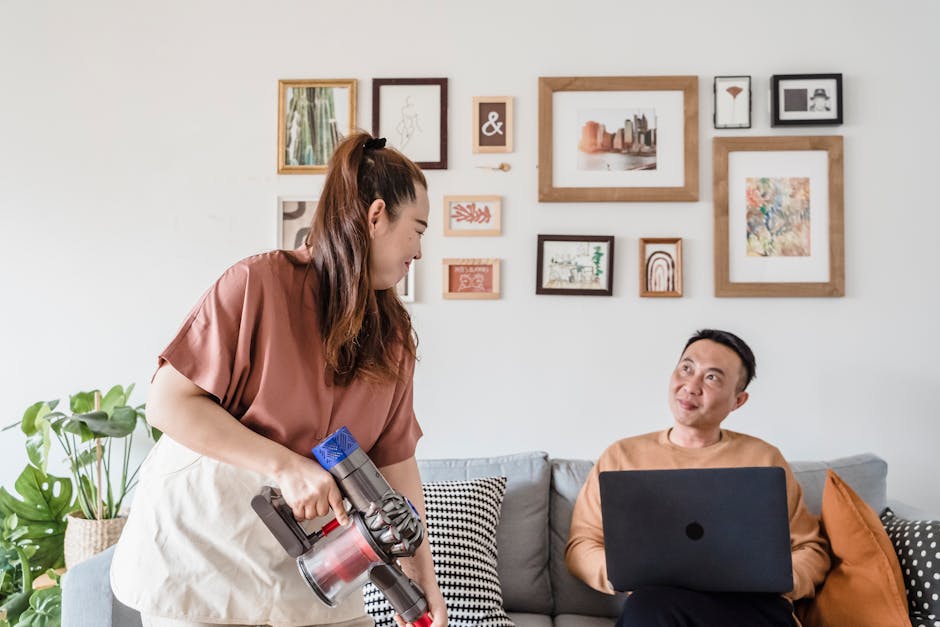
The Household Revolution: How “AI + Green” Is Redefining Domestic Life in Singapore (2026 Edition)
Singapore’s approach to innovation has always been world-class, but Budget 2026 marks a new chapter: an era where artificial intelligence (AI) and green transformation are no longer just buzzwords—they’re practical levers reshaping daily life in every HDB flat, condo, and landed home. For GoodHelp’s readers—adults responsible for navigating the realities of hiring, managing helpers, budgeting, and home upgrades—these shifts offer both fresh opportunities and new challenges.
Whether you’re looking to find maid in Singapore faster, streamline chores, or make smarter financial decisions, the changes emerging in 2026 could influence your household for years ahead.
Key Trends and Strategies Shaping Singapore Households in 2026
AI as the “Non-Negotiable Centerpiece”
Singapore’s economic roadmap now puts artificial intelligence at the core of growth. MUFG’s analysis of Budget 2026 highlights sweeping tax incentives, grants, and direct investments in AI-driven innovation across every sector, not just tech. With the Economic Strategy Review’s call for “economy-wide adoption of AI”, Singapore families can expect rapid integration of machine learning into daily services.
Rise of AI Hubs: Consumer Services Get Smarter
The latest jewel in Singapore’s AI ecosystem is Kampong AI at one-north, where startups, MNCs, and institutes collaborate to push AI-powered solutions into the market. For households, this means:
- AI-powered helper-matching platforms that filter candidates by skill, language, and cultural fit—reshaping how you find maid in Singapore.
- Scheduling apps and digital tools that automate routines, from weekly cleaning to meal plans.
- Advanced language and safety training tools, breaking down communication gaps between helpers and employers.
Green Upgrades Directly Supported by Policy
Budget 2026 supercharges green financing and innovation, with schemes like the enhanced Enterprise Financing Scheme – Green (EFS-Green) and Energy Efficiency Grant (EEG) (now extended through 2027). This results in:
- More energy-efficient appliances becoming affordable and widespread.
- Condos and landed homes seeing bundled “energy-as-a-service” options.
- Homes becoming greener, boosting property values and offering tangible savings on utilities.
Growth Capital and Innovation for Home Services
The newly formed Growth Capital Workgroup is channelling investment into local startups—including those offering cleaner, safer, and more innovative household solutions. Households will soon see greater choice, lower costs, and improved experiences for essential services, from cleaning to digital insurance.
State and Recommendations: What Should Singapore Households and Firms Do Next?
For those responsible for managing households in Singapore, the new AI + green reality means a few decisive shifts. Here’s a checklist tailored for both end-users and service providers:
- Be choosy about platforms to find maid in Singapore:
- Pilot apps that offer transparent data on match success rates, helper retention, and in-app communication tools.
- Explore platforms integrating AI-driven predictive matching and training modules for helpers.
- Prioritise energy efficiency for all home upgrades:
- For aircon, fridge, washer replacements, use the “lifetime cost” (purchase + 5–10 years’ power) as your value metric.
- Seek BCA/NEA-certified appliances and look for upcoming grants or partner offers.
- Adopt digital tools for household management:
- Try apps that plan cleaning, groceries, and helper instructions—especially those with AI-generated schedules and auto-translation functions.
- Consider helper-training platforms with multilingual support and safety content.
- Review finances with the new policy window:
- If refinancing or updating insurance, use AI-enabled comparison tools that provide household-centric insights.
- Re-evaluate budget buffers for helper wages, utilities, and home upgrades in light of expected efficiency gains and new services.
- For service firms and startups:
- Leverage grants and growth capital opportunities to develop smarter, greener solutions for households.
- Focus on user-centric digital experience and transparent, data-backed performance metrics to win over discerning household managers.
Audience Segmentation: Opportunities and Challenges by House Type
CondominiumsOpportunities:
- Access to integrated smart-home systems and energy-as-a-service packages.
- Increased property value from green and AI-enabled features—appealing to tenants and buyers alike.
- Complexity of integrating new platforms with existing condo management and legacy systems.
- Higher upfront costs for premium upgrades.
Opportunities:
- Greater autonomy to install high-efficiency solutions (solar, energy storage, advanced automation).
- Customisable helper management systems and tailored scheduling apps.
- Larger property size means higher maintenance; ROI on smart systems must be clear.
- The need for more robust digital literacy among household members and helpers.
Opportunities:
- Direct, practical savings from AI-powered scheduling (e.g., optimising helper routines, reducing failed hires).
- Access to competitively-priced energy-efficient appliances due to government push.
- Space constraints may limit adoption of certain smart/green solutions.
- Budget sensitivity—need for clear cost-to-saving justification on every upgrade.
Comparison: Condos vs Landed vs HDB
- Condos: Best positioned to monetize green/AI investments for higher rentals and resale; moderate complexity in adoption.
- Landed Homes: Most flexibility and tangibly lower long-term costs with green/AI upgrades; higher initial investment and skills required.
- HDB: Most cost-sensitive, but stands to gain most from immediate savings and smarter helper management; focus on practical upgrades.
Summary Table: Helper Hiring, Management & Service Selection
| Criteria | Live-in | Part-time | First-time Helper | Experienced Helper | Cultural Fit | Skill Depth vs Attitude | Premium Services | Standard Services | Agency | Direct Hire | Contract Duration | Trial Mindset |
|---|---|---|---|---|---|---|---|---|---|---|---|---|
| Best For | Families needing daily, flexible support | Small homes, targeted chores | Willing to train, budget-sensitive | Minimal supervision, higher cost | Harmony, long-term retention | Depends on household priorities | Busy execs, hands-off management | DIY, cost-conscious | Risk reduction, compliance | Ultimate autonomy, more effort | Stability, cost predictability | Testing fit, reducing bad hires |
| Biggest Risk | Interpersonal mismatch, privacy loss | Lack of continuity, rescheduling hassle | Adjustment period, higher oversight | Complacency, wage demands | Miscommunication, expectation gaps | Misaligned priorities | Costly, possible over-service | Limited support, quality variance | Higher cost, agency fees | Paperwork, risk of mismatches | Penalties for early exit | Repeated onboarding/training |
“Singapore’s move to fuse AI-driven productivity with a sustainable, green economy is not just a top-down vision—it’s a direct enabler for smarter, safer, and more affordable home management. For every household looking to find maid in Singapore or upgrade their living experience, acting early on these shifts will create lasting value.”
—GoodHelp Insights, 2026
Conclusion: Beyond Buzzwords—Why the Domestic Disruption Matters
Singapore’s “AI + green” agenda, as crystallized in Budget 2026 and the birth of Kampong AI, is not just a global headline. For household managers, it’s the dawn of a new operating system for domestic life—one that brings genuine improvements to how you find maid in Singapore, manage routines, and stretch every dollar. The next 12–24 months will see an explosion in AI-powered helper matching, smart-home tools, and energy-efficient products. Savvy households and service providers who adapt quickly will capture the most value.
What’s next? Expect the market for home-focused digital solutions to grow more competitive and creative. As policies and funding continue to flow, ordinary Singaporeans will see tangible benefits in their wallets, property values, and peace of mind. For GoodHelp readers, this is the moment to move from awareness to action—and to demand more from every service and upgrade that promises to make home management better.