
How Singapores Budget 2026 Empowers Households: Slash Energy Bills And Boost Home Efficiency With Green Imports & AI
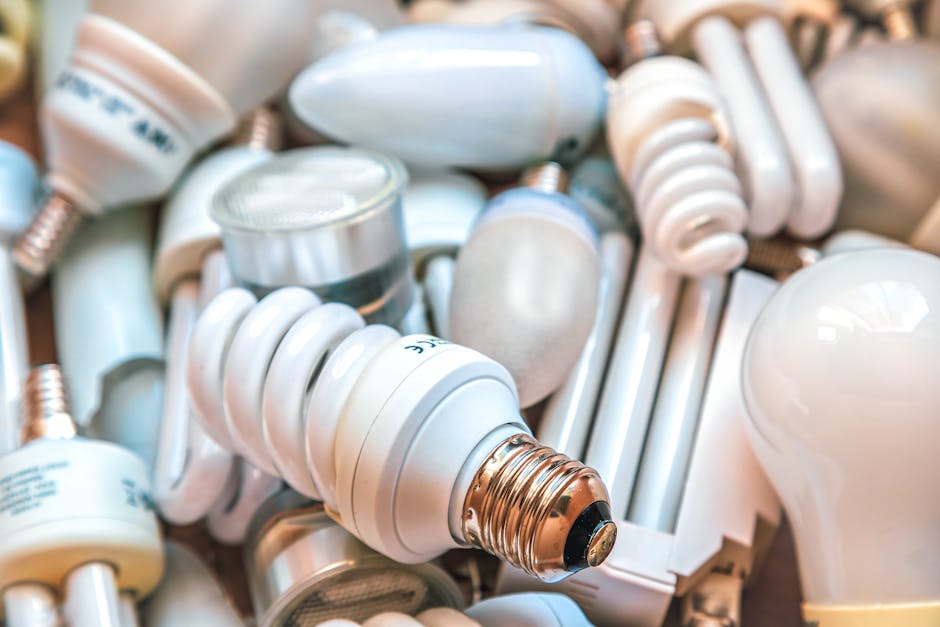
Singapore Budget 2026: Transforming Household Management with Sustainable Energy and Smart Home Solutions
The Singapore Budget 2026 marks a pivotal moment for those managing households—whether in condominiums, private residences, or public housing. With its S$154.7 billion package, the government is not only addressing sustainability, but also offering actionable pathways for household managers to optimize costs, routines, and efficiency. If you’re looking to find maid in Singapore or upgrade your home’s energy profile, these updates spotlight new opportunities, actionable incentives, and future-proof strategies that intersect deeply with everyday domestic decisions.
In this article, we decode the ecosystem updates most relevant for GoodHelp’s readers: adults responsible for household management, from hiring domestic helpers to juggling family budgeting, insurance, and long-term planning. With global energy tariffs rising and Singapore’s drive towards net-zero by 2050, understanding these trends isn’t just strategic—it’s essential for resilient, cost-smart living.
Key Trends and Strategies
Sustainable Energy Imports: Lowering Household Costs
Singapore’s ambitious push for cross-border renewables via the ASEAN Power Grid will enable up to 6 gigawatts of low-carbon electricity imports by 2035. These imports predominantly from Laos, Thailand, and Malaysia are set to reduce carbon intensity and the nation’s reliance on natural gas—directly impacting household energy bills across HDB flats, condominiums, and private homes.
For household managers, this means more stable utility costs in the face of volatile global tariffs. Achieving Singapore’s early 2030 solar target (now aiming for 3GWp) together with 100% EV adoption by 2040 promises easier long-term budgeting for family routines, appliances, and helper management. See the government’s official summary here.
Household Efficiency and Digital Trade
Budget 2026’s support for digital trade platforms like the Networked Trade Platform indirectly transforms household supply chains. By streamlining imports and embracing a 1% Sustainable Aviation Fuel mandate from 2026, Singapore boosts regional cleantech—and with it, more affordable, sustainable goods for everyday use.
Managers looking to find maid in Singapore and upgrade their home can piggyback onto these efficiencies, leveraging cheaper, greener products and robust digital platforms for procurement.
AI Upskilling: Empowering Helpers and Homes
The expanded Enterprise Innovation Scheme now covers AI tools for individuals, households, and domestic helpers. This unlocks new opportunities: train helpers on smart home tech, adopt energy-efficient appliances, and optimize routines—especially vital as Singapore contends with tight labor markets and the unique needs of an aging population.
Apps from the newly launched AI Park at one-north are supported by subsidized upskilling grants via SkillsFuture, helping household managers and helpers stay ahead with smart scheduling, utility budgeting, and digital collaboration.
State and Recommendations
Based on Budget 2026’s priorities and incentives, household managers (and the firms supporting them) should act to maximize cost efficiency, resilience, and sustainability:
- Switch to Solar-Ready Plans: Check providers like Geneco or Sembcorp for green energy tariffs. Budget incentives now make rooftop solar viable for condos/HDBs, with grants covering up to 70% for upgrades.
- Leverage AI Home Management Tools: Explore AI apps from the AI Park at one-north for budgeting utilities or scheduling domestic helper tasks. Upskilling subsidies are available through SkillsFuture.
- Curated Offer: Enroll in Enterprise Singapore’s free webinars (next: May 6, 2026) for SLINGSHOT 2026, granting access to deep-tech startups at SWITCH 2026 for smart device deals.
- Integrate Sustainable Goods: Use digital trade platforms to source greener household products, lowering both carbon footprint and running costs.
- AI Upskilling for Helpers: Invest in short AI courses for helpers, focusing on energy management, appliance optimization, and digital scheduling. This not only improves home efficiency but increases helper value—especially important if you want to find maid in Singapore with advanced skills.
Segmentation: Challenges and Opportunities by House Type
- Condominiums:
Challenges: Limited rooftop access, management committee approvals, premium tariffs.
Opportunities: High eligibility for solar-ready grants, access to shared infrastructure, robust digital procurement for smart devices. - Private Homes:
Challenges: Upfront costs for solar upgrades, diverse helper roles.
Opportunities: Maximum flexibility for solar installations, AI-driven energy optimization, tailored helper upskilling. - Public Housing (HDB):
Challenges: Standardized unit layouts, limited personalization, budget constraints.
Opportunities: Bulk solar program eligibility, direct access to government grants, enhanced budgeting via digital tools.
Comparison: Condominiums vs Private vs Public Housing
Condominiums often provide premium, centralized facilities, enabling advanced smart integrations but requiring stakeholder consensus. Private homes allow direct action and customization, though initial investment hurdles are higher. Public housing remains most accessible for government-supported upgrades and budgeting tools but faces layout and flexibility limitations. Smart home adoption, helper upskilling, and sustainable energy access are evolving rapidly in all segments thanks to Budget 2026’s market-wide incentives.
Summary Comparison Table
| Factor | Live-in Helper | Part-time Helper | First-time Helper | Experienced Helper | Cultural Fit | Skilldepth | Attitude | Premium Services | Standard Services | Agency Hire | Direct Hire | Contract Duration | Trial Mindset |
|---|---|---|---|---|---|---|---|---|---|---|---|---|---|
| Condominiums | Common Long-term | Occasional Flexible | Yes Training needed | Preferred Less oversight | Critical Diverse residents | High Complex needs | Key Gentle approach | Frequent Smart home integration | Usual Routine cleaning | Standard Agency manages | Growing Personal networks | 12-24 months | 3-6 months most popular |
| Private Homes | Very common Full-time | Rare Special tasks | Possible More supervision | Preferred Independent | Moderate Family practices | High Gardening, cooking | Essential Initiative valued | Occasional Smart appliances | Frequent General upkeep | Preferred Agency support | Rare Direct referrals | 24 months | Trial for fit |
| Public Housing | Less common Budget-driven | Very common Hourly basis | Common Onboarding needed | Valued Efficiency | Important Community align | Moderate Routine tasks | Key Positive attitude | Rare Simplified tech | Usual Regular cleaning | Agency mostly | Growing Online platforms | 6-12 months | Preferred for flexibility |
“Singapore’s Budget 2026 offers household managers unprecedented leverage: lower energy costs, digital tools, and AI upskilling for helpers. These moves create not just sustainable homes, but resilient families able to ride the volatility of global trends.”
Conclusion: Strategic Importance and Future Outlook
Budget 2026’s innovations in sustainable energy, smarter imports, and AI-driven efficiency are reshaping the landscape for household managers and those seeking to find maid in Singapore. By leveraging government incentives, digital platforms, and upskilling for helpers, you position your household at the forefront of Singapore’s green shift—gaining resilience amid rising tariffs, and future-proofing routines for the decade ahead.
Looking forward, we expect deeper integration of smart home AI solutions, broader access to solar programs, and expanded training for domestic helpers. As more households adopt digital procurement and cleantech, those prepared will enjoy not just cost savings, but enhanced quality of life, greater flexibility in helper management, and strong alignment with Singapore’s net-zero vision. Finding and managing the right maid in Singapore will become less about routine tasks—and more about strategic partnership in a sustainable, tech-enhanced domestic ecosystem.