
How Starbucks Uses AI To Localize Menus And Drive Growth In China, India, And Brazil: Deep Brews Playbook For Digital Ordering, Pricing, And Regional Flavor Innovation
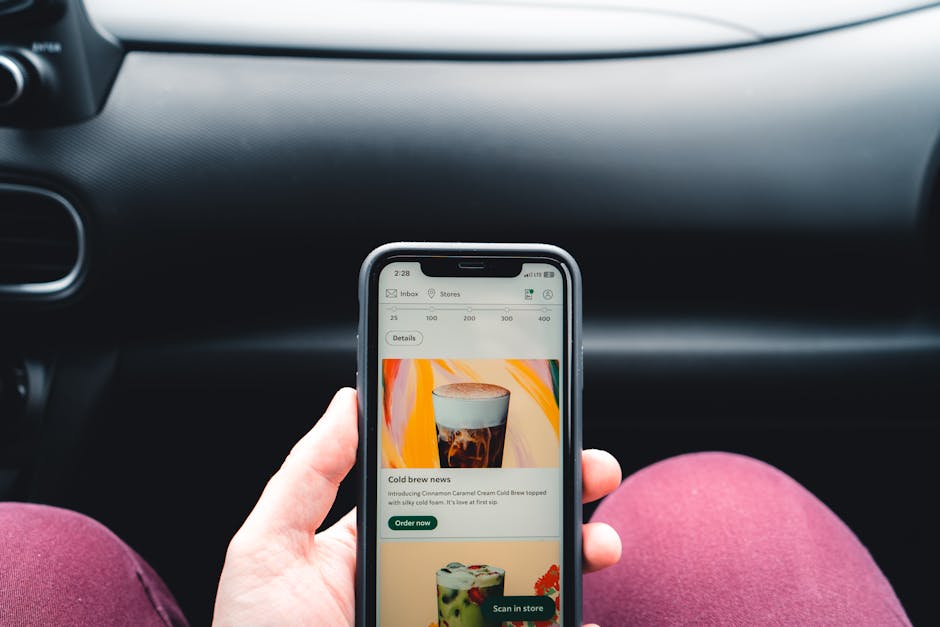
The AI Recipe for Global Growth: How Starbucks’ Deep Brew Rewrites Menu Personalization in China, India, and Brazil
In the dynamic world of global retail and food service, few companies have demonstrated the agility and ambition for localization quite like Starbucks. What began as a boutique coffee shop in Seattle is now a household name with more than 35,000 stores worldwide. But as Starbucks’ footprint expanded into complex, diverse markets, the playbook for growth demanded more than mere replication of the American menu. Nowhere is this reinvention more vivid—or more technologically advanced—than in China, India, and Brazil, where Starbucks’ AI platform, Deep Brew, redefines personalization, pricing, and product innovation.
This exposé investigates how Deep Brew underpins Starbucks’ localization strategy, revealing a sophisticated, data-driven approach that fuses global infrastructure with fiercely regional execution. Through compelling real-world examples, critical performance statistics, and actionable lessons, we’ll uncover how Starbucks’ AI-centric operating model is shaping the future of food service—one algorithm, one festival, and one coconut barfi latte at a time.
Starbucks in a Transforming Marketplace: Why AI Now?
Accelerating Complexity in Emerging Markets
As Starbucks’ domestic U.S. market reached maturity, the growth narrative shifted toward high-potential, digitally advanced markets like China, rapidly urbanizing economies like India, and coffee-rich, flavor-diverse regions such as Brazil. But these “next frontiers” do not behave like the American suburbs of the 1990s. Instead, they reveal rapidly shifting consumer preferences, fragmented digital ecosystems, intense pricing sensitivity, and powerful local competitors.
Traditional approaches to menu planning—centralized, intuition-driven, and slow—simply fell short.
Enter Deep Brew: Global Engine, Local Intelligence
The answer lies in Deep Brew, Starbucks’ proprietary AI platform. Deep Brew absorbs billions of data points across digital orders, app usage, weather patterns, local festivals, and even voice queries, converting this tapestry of signals into concrete recommendations and operational guidance. By orchestrating everything from what lattes appear on a user’s app screen to how many paninis are stocked in a Beijing store, Deep Brew serves as both a personalization tool and an engine for menu experimentation, demand forecasting, and store-level profitability.
As of mid-2026, Starbucks’ AI-driven localization is not a side project—it is the central pillar of its strategy in China, India, and Brazil, with measurable gains in digital growth, transaction speeds, and customer attachment rates.
China: Digital Ambition and Algorithmic Menus in Starbucks’ Largest Overseas Market
WeChat Integration as an AI Playground
China is the jewel in Starbucks’ global crown, now boasting over 6,000 stores and a relentless expansion into lower-tier cities. But it is the integration with WeChat Mini Programs—the “super-app” that underpins Chinese digital life—that has turned Starbucks China into one of the most advanced AI labs outside the U.S.
Rather than forcing Chinese customers into a standalone Starbucks app, Deep Brew is embedded throughout WeChat ordering flows. By leveraging transaction histories, geolocation, time of day, and previous choices, AI serves hyper-personalized recommendations for drinks and combos—tailored for everything from the mid-afternoon pick-me-up to the Lunar New Year gifting surge. Digital order growth in stores with full WeChat integration has soared by nearly 30%, with transaction times shrinking by 20%.
Voice AI and Multilingual Friction Reduction
A standout Chinese innovation is the deployment of Mandarin-tuned voice AI within ordering flows. By adjusting for regional accents and linguistic nuances, Deep Brew reduces digital friction—particularly important for repeat, low-ticket orders. Starbucks’ voice AI has become so accurate that, for many urban customers, ordering a Hazelnut Flavored Latte is now as simple as saying “我要一杯榛果拿铁” into their phone.
Festive Menus and Data-Driven Local Innovation
China’s festival calendar is a goldmine for menu innovation powered by AI. For example, during Lunar New Year, Deep Brew predicts demand spikes for limited-time beverages and gift boxes, algorithmically nudging these products in the WeChat interface. These AI-driven festive recommendations have lifted “attachment rates”—the number of items per order—by 20%+ in target regions. The platform isn’t just recommending; it’s helping design new products, from boba-infused lattes (a cross-over hit between tea and coffee customers) to regionally attuned sandwiches like the chicken panini.
Hyper-Localized Menu Examples in China
Curious what this looks like in practice? The Starbucks China menu showcases globally inspired items with local twists: Hazelnut Flavored Latte, Beef Baguette, and a Chicken Panini all algorithmically repositioned and promoted depending on city tier, time of year, and customer behavior.
Mobile Order, Operations, and AI Optimization
On the operational side, Starbucks’ Starbucks Now platform uses Deep Brew not only to recommend the nearest store and ideal pickup time, but also to optimize queue lengths, barista workload, and even bakery add-ons. This extends far beyond personalization: AI recommendations are actively shaping what gets baked, stocked, and staffed each morning.
Strategic Implications
The Chinese testbed provides a trio of lessons: First, integration with dominant local platforms (WeChat) can drive adoption better than proprietary apps. Second, voice AI is a genuine differentiator in a linguistically diverse nation. Third, the line between recommendation and co-creation is blurring—data doesn’t just optimize, it invents.
India: Weather, Price, and Culture-Driven AI Personalization
Fragmented Market, Focused AI
India is a land of digital fragmentation: multiple payment and delivery platforms coexist, and Starbucks (via Tata Starbucks) harnesses Deep Brew to make sense of this complexity. The result? AI-driven segmentation by region, weather, channel, price sensitivity, and even festival cycles.
Hyperlocal Weather and Flavor Insights
In India, Deep Brew is acutely tuned to meteorological swings. During the monsoon heat, iced drinks—like the Iced Cardamom Latte—rise to prominence. When temperatures cool, local favorites such as masala chai and filter coffee get top billing. These recommendations are not generic; they’re city-, channel-, and even daypart-specific, driving genuine relevance for the consumer.
Indian Flavors, Algorithmically Engineered
Real menu innovation is visible in items like the White Mocha Coconut Barfi Latte, an Indian dessert-inspired beverage that wouldn’t exist without Deep Brew’s detection of cross-category demand for coconut, barfi, and white mocha flavors. These items are tested, promoted, and, if successful, scaled nationally. The process is deeply iterative: AI tracks repeat purchases, attachment rates, and citywise popularity before greenlighting a national rollout.
Localization Reflected in Price and Bundling
The Indian menu is materially less expensive than U.S benchmarks—about 35% lower for core beverages such as the Grande Caffè Latte. This reflects AI-informed value segmentation: identifying which items can command a premium (such as dessert-inspired lattes) and which should remain aggressively priced (like filter coffee or standard masala chai). For recent menu prices, see the Starbucks India price tracker.
Operational and Strategic Outcomes
By mid-2026, Starbucks India’s 500+ stores run on AI that segments by visit frequency, basket size, and preferred flavors, feeding directly into menu refresh and promotional rhythms. AI-enabled bundling (coffee + food combos) maintains both customer value and store profitability—with price points, menu items, and bundle composition varying by city and even time of year.
Key Lessons for Consumer Executives
Deep Brew’s Indian playbook demonstrates why weather and culture must be “first-class” features in AI models—not afterthought tags. Moreover, pricing analytics in lower-income yet rapidly developing markets need to be aggressive, dynamic, and closely monitored for both volume and margin.
Brazil: Seasonal Menus, Tropical Flavors, and AI-Driven Demand Forecasting
Latin America’s Local Hero
Brazil—a nation of coffee lovers and one of Starbucks’ anchor Latin American markets—has a unique set of challenges: strong seasonality, intense competition, and highly local flavor preferences. With more than 400+ stores, Starbucks leans heavily on Deep Brew to orchestrate its menu, pricing, and promotion strategies.
Seasonal Cardápio and Event Forecasting
AI’s superpower in Brazil is its ability to tailor the seasonal “cardápio”—the local term for menu—around cold winters, hot summers, and major national moments like Carnival and football events. For example, Brazilian winters drive a surge in hot, milk-based beverages such as café com leite and cappuccino, while coastal heat waves necessitate a pivot toward tropical cold brews and fruit-infused drinks. These shifts are visible not only in the seasonal menu PDFs but are algorithmically prioritized across digital order platforms.
Tropical Flavors and Local Pairings
Starbucks Brazil actively features items with local resonance: vanilla and chocolate cookies, blueberry muffins, and milk-forward coffee drinks. Cold/iced options and tropical flavors receive special prominence during peak summer. This seasonal strategy, powered by AI demand forecasting, minimizes waste and reduces stock-outs—vital in markets with high volatility.
Operational Excellence and Media Integration
Deep Brew’s operational role includes aligning staffing, inventory, and bakery output to event calendars and predicted weather. Strategic alliances with local media and gastronomy influencers (example overview) support viral, regionally-attuned campaigns—further amplifying the feedback loop between local demand and AI learning.
Strategic Guidance
The Brazilian story offers a key insight: seasonal menu strategy is no longer “just marketing.” When powered by AI, it becomes a supply chain and profitability lever, reducing both food waste and missed sales while fine-tuning the product mix to real-world consumer rhythms.
Comparative Insights: What Makes These Markets—and Starbucks’ Approach—Distinct?
China: Platform-Centric and Festival-Driven
Starbucks in China wins by embedding itself in the everyday digital life of its customers—chiefly through WeChat and voice AI—and by engineering new products based on real-time cultural and seasonal data.
India: Value, Weather, and Localization at Scale
Here, success hinges on ultra-local price points, weather-informed menu cycles, and the rapid, data-backed evolution of new flavors that channel the local love for desserts and spice. Multi-platform integration is a must.
Brazil: Event and Seasonality First
AI in Brazil is a “demand weather vane,” pivoting menu, stock, and promotions around meteorological swings and national moments. Localized bakery offerings and tropical flavor pairings keep menu relevance fresh and sticky.
AI as a Menu Architect, Not Just a Suggestion Box
In all three, the most profound shift is the use of AI not merely as a recommendation engine, but as a co-creator. Deep Brew informs the launch, trial, and expansion of new, localized menu items—be it a boba latte or a White Mocha Coconut Barfi Frappuccino—monitoring repeat purchase rates and real-time customer feedback to determine national rollout.
The Deep Brew Blueprint: How One Platform Localizes at Scale
The Unified AI Architecture
At its core, Deep Brew builds a “customer graph” that considers order history, location, context (like weather or festival cycles), and channel. It then overlays a context layer unique to each market—be it WeChat for China, monsoon patterns for India, or Carnival for Brazil.
Crucially, Deep Brew connects to a real-time experimentation engine, allowing Starbucks to A/B test new flavors, bundle offers, and price points in micro-markets—scaling up only those with proven, repeatable success. And because the output is plugged directly into operational levers (from barista staffing to inventory management), the AI’s recommendations are not just digital—they’re physical.
Real-World Results: Data and Strategic Implications
Performance Metrics with Measurable Impact
The shift from intuition to AI-driven menu and operational planning is yielding tangible results:
- 20% faster digital transaction times where Deep Brew is fully deployed (China, via WeChat).
- 30% growth in digital orders across key pilot stores (China, India).
- 20%+ increase in attachment rates during major festive/seasonal campaigns (especially in China and India).
- Systematic menu price differentiation (India: ~35% lower than U.S. for key items) while preserving premium brand perception.
- Reduced product waste and stock-outs in Brazil and China, as AI-fueled forecasting aligns bakery/cold drink output to weather and event cycles.
Strategic Takeaways for Retail and Consumer Brands
The Starbucks model is clear: AI should be treated as a holistic, context-sensitive engine—powering everything from product design to supply chain scheduling—not as an afterthought “recommendation widget.” That means:
- Integrate AI with dominant local digital channels (WeChat, delivery platforms, super-apps).
- Include weather and cultural event data as essential signals for menu planning and inventory.
- Let AI guide—not just recommend—new product development, driven by real-time data rather than top-down assumptions.
What Sets Starbucks’ AI-Driven Localization Apart from Conventional Menu Planning?
Bespoke AI Context Packs
While many global brands attempt to localize via “regional menus,” Starbucks goes further—creating per-market “context packs” for its AI. In China, this means super-app integration, voice tuning, and festival cycles. In India, Deep Brew consumes weather, payment ecosystem fragmentation, and regional taste clusters. In Brazil, it’s all about seasonal demand, urban vs. coastal segmentation, and event calendars.
The sum? A platform that adapts in real time, with minimal re-coding and seamless context switching.
New-Product Innovation Fueled by Algorithms
From boba lattes in Shanghai to coconut barfi frappuccinos in Mumbai, Deep Brew finds and validates flavor trends invisible to the naked eye—running micro-experiments, assessing repeat buy rates, and tracking basket size uplift before citywide or national release.
Pricing and Bundling as “Live Experiments”
Starbucks’ A/B testing culture, powered by AI, extends to price points and combo offers. In India, for example, dynamic bundling (coffee + food) and aggressive price segmentation ensure that Starbucks balances affordability with a premium image, even as competitors chase the price floor.
Forward View: Principles for AI-Driven Menu and Experience Design
“The future of menu personalization—and ultimately, customer loyalty—will be won not by the richest features, but by the smartest, most context-aware AI engines: those that fuse real-time cultural, meteorological, and behavioral data to co-create, not just recommend.”
Six Strategic Principles for Leaders
1. Leverage Local Platforms: Go where your customers already are—WeChat, super-apps, local delivery portals—rather than expecting them to migrate to your own app.
2. Contextualize Data Inputs: Weather, festivals, payment systems—these are essential signals, not optional “enhancements.”
3. Make AI a Product Architect: Use AI to design testable, cross-category products, not just optimize legacy offerings.
4. Test and Iterate Aggressively: Let the data prove which flavors, bundles, and price points move the needle—before betting big.
5. Integrate Operations and Experience: Connect AI recommendations to supply, staffing, and physical delivery—not just to digital menus.
6. Monitor and Scrape Regional Menus: Continuously analyze local digital menus (China, India, local PDFs in Brazil) for emerging flavors, pricing shifts, and category emphasis.
Comparative Table: Key Features Across Starbucks’ Top Three Growth Markets
| Feature | China | India | Brazil |
|---|---|---|---|
| Store Count (2025/26) | 6,000+ | 500+ | 400+ |
| Main Digital Channel | WeChat Mini Programs, Starbucks App | Multiple Delivery/Payment Apps, Starbucks App | Delivery Apps, Partner Portals |
| Major AI Inputs | Festivals, Voice, Location, Recency | Weather, Region, Price Sensitivity | Seasonality, Event Calendar, City Type |
| Localization Examples | Boba Lattes, Localized Paninis | Coconut Barfi Lattes, Filter Coffee | Tropical Cold Brews, Café com Leite |
| Pricing Differential (vs. US) | Slightly Lower/Comparable | ~35% Lower | Similar/Lower (Seasonal Variance) |
| Key Results (2024–26) | 20% Faster Transactions, 30% Digital Order Growth | High Repeat for Local Flavors, Strong Combo Bundles | Waste Reduction, Seasonal Sales Spikes |
Conclusion: The Future Trajectory and Strategic Imperative
As global brands jockey for relevance in an era defined by data, AI, and cultural complexity, Starbucks’ Deep Brew playbook is a map to the future—not just for coffee, but for all consumer-facing industries. The lesson is clear: tomorrow’s winners will not only know their customers, but their cities, festivals, weather, language, and price expectations—hour by hour, item by item, channel by channel.
By embedding AI at the core, and letting local data direct innovation, pricing, and operations, Starbucks is showing how ritual can become reinvention. The results—faster transactions, higher attachment rates, smarter waste management—are not just operational gains; they are the new engines of loyalty and profitability.
In the decade ahead, the companies that treat AI as the beating heart of their product, menu, and experience design—deeply tuned to local context—will write the next chapter of global growth.