
How To Build The Perfect Multi-Brand, Ingredient-Matched Skincare Routine For Sensitive-Oily Skin In Kuala Lumpurs Humid Climate
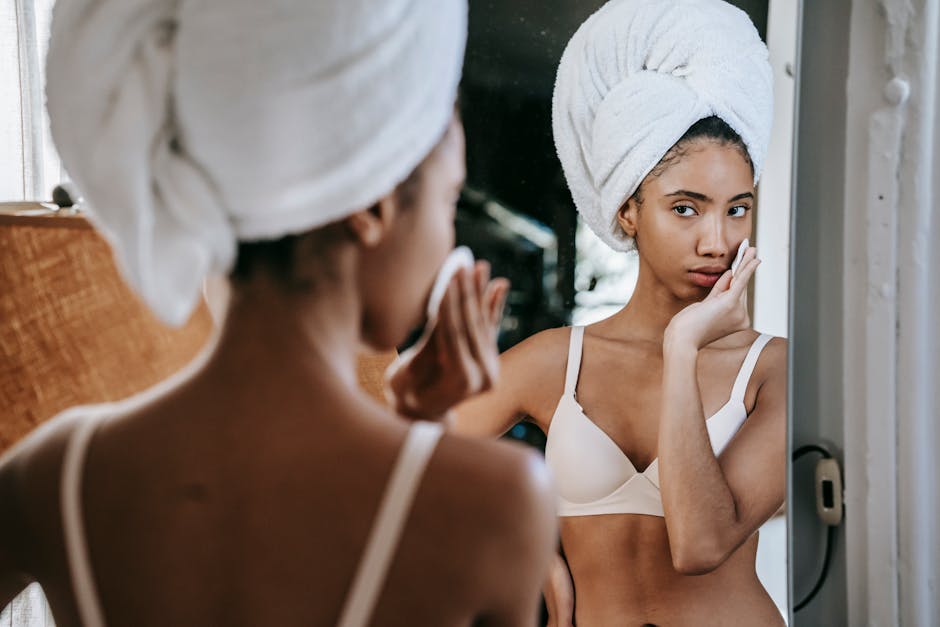
Curation Over Clutter: Multi-Brand, Ingredient-Matched Skincare Routines via Pharmacy APIs for Kuala Lumpur’s Sensitive-Oily Skin
In Kuala Lumpur’s humid climate, the promise of radiant, resilient skin often breaks down under the weight of product confusion, climate-incompatible textures, and ingredient clashes. Skincare-literate users—especially those juggling oiliness, dehydration, sensitivity, and early aging—have grown weary of “hero” products that fail to deliver when faced with 33°C heat, relentless humidity, and urban stressors.
Today, an ecosystem shift is underway: algorithmic curation, real-time pharmacy APIs, and next-generation brands are catalyzing routines that are not only scientifically matched to your unique signals, but also deeply adapted for Southeast Asia’s environment. This article explores why this matters, the trends transforming routine-building, and how both consumers and firms can move from trial-and-error clutter to data-driven precision.
Whether you’re seeking the best sunscreen for humid weather, a soothing gel for redness in high humidity, or a serum for oily-dehydrated skin with anti-aging benefits, read on for practical strategies and industry insights.
Key Trends and Strategies
From Product-Centricity to System-Driven Curation
Historically, Malaysian and Southeast Asian consumers have been bombarded by trend-driven launches—10% niacinamide, “miracle” toners, thick Western creams—leaving drawers full of mismatched, half-used bottles. The old paradigm, relying on ad hoc layering and one-size-fits-all routines, consistently fails under KL’s humid, polluted, and high-UV environment.
Brands like AURA Skin Lab and Aurea Skincare Malaysia are pioneering “routine architecture”—deliberate, layered systems that optimize ingredient synergy, climate compatibility, and skin reactivity. Their routines proactively resolve the classic KL dilemma: managing oil and shine without dehydration, reducing redness, and building long-term resilience—not just quick fixes.
Their work underscores that breathable, layered systems far outperform heavy occlusive formulas in tropical climates, with clinical benchmarks like 15% less surface oil and 30% reduction in wrinkle depth for Asian cohorts.
Pharmacy APIs: The Backbone of Real-Time, Ingredient-Matched Curation
The rapid digitalization of Malaysia’s pharmacy sector has quietly unlocked powerful change. Modern apps (e.g., Watsons MY, Guardian MY) now leverage internal APIs to index full ingredient lists (INCI), real-time stock, and climate-specific attributes across thousands of SKUs. This empowers users to build a multi-brand, ingredient-matched routine that’s shoppable, climate-aware, and avoids accidental overload of irritating actives.
Instead of scrolling blindly through TikTok or playing ingredient roulette, you can now:
- Filter for lightweight sunblock Southeast Asia or best sunscreen humid weather;
- Search for repair skin barrier humidity or soothing gel for redness humidity;
- Strategically add an anti aging serum for humid climate or serum for oily dehydrated skin, layering only what truly fits.
Climate-Logic as a Design Mandate
Adapting to the tropics means abandoning the West’s “heavier is better” logic. Brands such as AURA Skin Lab have demonstrated, through robust R&D and clinical study, that classic occlusives (petrolatum, thick balms) often cause congestion, sweat trapping, and rebound oiliness. Instead, focus shifts to:
- Gel creams, essence serums, and non-occlusive hydration;
- Antioxidant-rich soothing formulations, ranked high for korean japanese skincare tropical skin and lightweight sunblock southeast asia;
- Barrier repair via ceramides, panthenol, Centella asiatica, and NAD+ derivatives.
Rise of Ingredient Transparency and Sensitivity Focus
Driven by increased environmental stress and product fatigue, Southeast Asian consumers are demanding transparency, minimalism, and evidence-based “calm-first” routines. Mintel APAC reports show a surge in sensitive-skin product launches, with mass brands now disclosing full INCI and collaborating via APIs to meet evolving needs.
“Your routine should change with your environment—not just your skin type. In Southeast Asia, climate-adapted, ingredient-matched systems are transforming skincare from cluttered guessing to curated science.”
State and Recommendations for Industry and Brands
- Embed Climate and Sensitivity Logic in Formulation: Prioritize textures, actives, and barrier support relevant to urban humidity, not Western winters.
- Leverage Pharmacy APIs: Integrate with local pharmacy APIs to provide real-time ingredient-based discovery and cross-brand routines, reducing friction and increasing retention.
- Promote Systematic Routine Builders: Develop app flows and quizzes that focus on “base stack” logic—gentle cleanser, hydrating/soothing serum, humidity-compatible sunscreen, and a lightweight moisturizer, before suggesting actives.
- Track and Learn from Skin Feedback: Incorporate user feedback loops (e.g., survey engines, update prompts) so recommendations dynamically adapt to user responses, travel, and environmental changes.
- Educate on Overlap and Sequencing: Help users recognize and avoid the pitfalls of ingredient and texture overlap—too many acids, redundant niacinamide, or mixing occlusive textures with water-based layers.
Comparison Table: Product Paradigms and Approach
| Heavy Occlusive Western Products | Breathable, Layered Systems (AURA/Aurea, Climate-Aware) | |
|---|---|---|
| Texture Philosophy | Thick creams, balms, petrolatum; occlusion-focused | Gels, fluids, essence-serums, light emulsions; breathable layering |
| Routine Building | Trend-driven, single “hero” actives; piecemeal assembly | Systematic, ingredient-matched; climate and barrier logic |
| Skin Outcomes | Suffocation, increased oil/trapping, barrier stress under humidity | Stable barrier, reduced redness/oil, resilience in heat and pollution |
| Time Horizon | Short-term cosmetic masking, frequent product switches | Long-term barrier repair, resilience, fewer but more effective products |
Audience Segments: Challenges, Opportunities & Comparison
1. Climate-Aware Skincare Users
Challenges: Navigating overwhelming Western influencer trends that ignore KL’s humidity; difficulty sourcing best sunscreen for humid weather and lightweight systems locally.
Opportunities: Leverage pharmacy APIs for climate filters; embrace brands like AURA for barrier-first, humid-city solutions.
2. Sensitive or Compromised Skin
Challenges: High rates of stinging, redness, unpredictable breakouts; difficulty with “all-in-one” actives; poor fit of heavy Western products in tropical climates.
Opportunities: Choose calm-first biotech routines (Aurea), minimalist serums, and soothing gel for redness humidity tailored by city.
3. Oily-Dehydrated, Combination, Reactive Types
Challenges: Oiliness but underlying dehydration; midday shine with tightness after cleansing; frequent incompatibility with both anti-acne and hydrating products.
Opportunities: Utilize serum for oily dehydrated skin (Aurea, Hada Labo), layer gels and lightweight emollients, leverage ingredient-matching via pharmacy APIs.
4. Early Anti-Aging (25–40), Urban Southeast Asia
Challenges: Early fine lines, dullness, and pigment changes due to UV, pollution, and barrier stress; fear of harsh retinoids worsening sensitivity.
Opportunities: Integrate anti aging serum for humid climate (peptide/NAD+ driven, eg. Aurea Radiance Serum, AURA peptide serums), prioritize repair skin barrier humidity.
Comparison:
| Segment | Main Issues | Curated Solution Set | Opportunities via API Curation |
|---|---|---|---|
| Climate-aware | Texture mismatch, heavy products | Gel-cream, light sunscreen, humidity-specific soothing gel | Climate and texture filters |
| Sensitive/Compromised | Barrier damage, ingredient conflicts | Minimalist biotech, fragrance-free hydrating serum | Ingredient exclusions, irritation feedback |
| Oily-Dehydrated | Oil/dehydration duality, pilling | Layered lightweight hydration, niacinamide/panthenol-based serums | Real-time exclusion of heavy occlusives |
| Urban Anti-Aging | Early lines, pigment, sensitivity | Peptides/NAD+, repair-focused regimes | Active, irritation-minimized anti-aging matches |
Conclusion: Strategic Importance and Forward Outlook
For skincare consumers and brands in Kuala Lumpur and Southeast Asia, the age of clutter—random products, conflicting actives, and texture mismatches—is ending. The expansion of pharmacy APIs, ingredient transparency, climate-adapted formulation, and smart app flows mark the dawn of true curation.
Those who embrace single-logic, multi-brand routines, underpinned by real-world ingredient matching and environmental intelligence, will enjoy stable skin, lower product waste, and lasting trust. Meanwhile, brands and pharmacies that evolve into trusted curators—rather than just shelves—will capture loyalty in the region’s fastest-growing skincare segment.
Looking ahead, dynamic routines that adapt to weather, pollution, and personal feedback—already previewed by platforms like AURA—will become standard. As a result, Southeast Asian cities will no longer copy Western routines but will set the new gold standard for barrier-first, climate-tuned skincare. Those who ignore this evolution risk irrelevance; those who lead it will define the future of beauty in the tropics.