
How ZUS Coffee Became Malaysias #1 Tech-Driven Coffee Chain: Digital Loyalty, AI Personalization & O2O Success In Kuala Lumpur, Penang, Johor Bahru And Southeast Asia
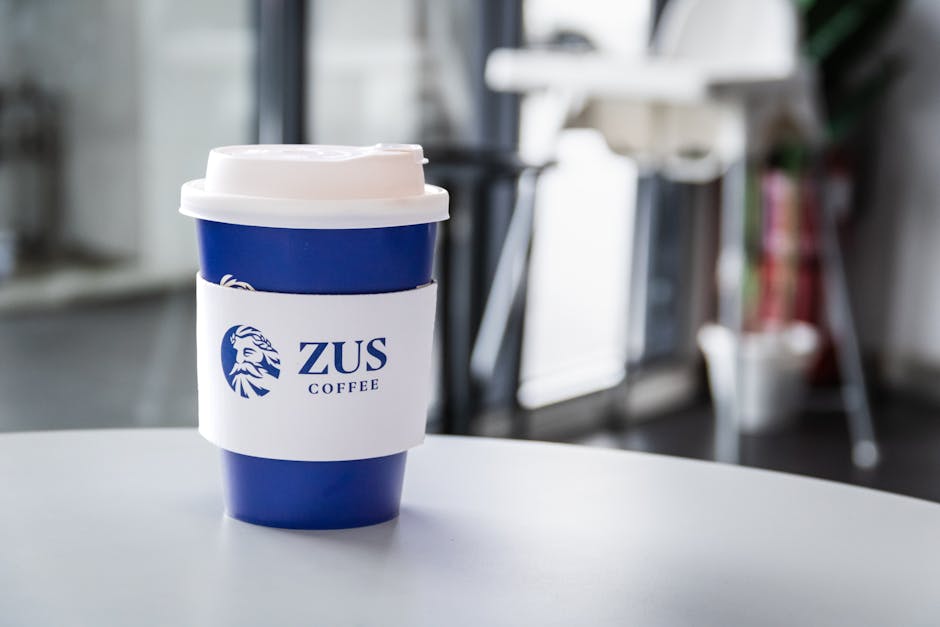
How ZUS Coffee Became Malaysia’s Tech-Driven Coffee Juggernaut—And What It Means for Southeast Asia’s Digital F&B Future
In a region where café culture has long danced to the rhythms of legacy brands and neighborhood brew bars, ZUS Coffee has orchestrated a digital revolution. Within just a few years, Malaysia’s self-styled “#1 tech-driven coffee chain” has upended conventional wisdom: its proprietary app is now the main storefront, customer data fuels every interaction, and 70% of sales flow through digital channels. With over 36 million cups sold via app and website, ZUS is not just Malaysia’s most visible F&B tech disruptor but a Southeast Asian case study redefining how coffee—and habits—are consumed, personalized, and repurchased.
This exposé dives deep into the strategies, data infrastructure, and AI-fueled experience design undergirding ZUS Coffee’s ascent, unraveling lessons and imperatives for every F&B brand—and decision maker—facing the new digital normal.
The New Reality: Coffee Apps as Core Business, Not a Side Channel
Legacy to Leadership: Where once mobile apps were afterthoughts—mere extensions to brick-and-mortar transactions—ZUS has flipped the model entirely. Today, the ZUS App and website form the heart of the brand’s customer interface, responsible for everything from frictionless ordering, loyalty and payments, to curated digital engagement. This isn’t a parallel system; it’s the main engine.
Data-Driven Adoption: The numbers are as bold as a double espresso: approximately 70% of ZUS Coffee’s total sales now originate online, one of the highest digital ratios among Malaysian retail chains. Urban professionals, Gen Z students, and co-working regulars have all embraced the habitual digital order—a testament not just to the strength of digital UX but to the systemic re-wiring of urban, daily routines.
App-first, not app-only is now the competitive baseline, not the differentiator.
Seamless O2O: The Engineered Elimination of Friction
The ‘Online-to-Offline’ Revolution: ZUS’s entire customer journey is a case study in O2O excellence. The digital experience is not just about ease; it’s about collapsing the barriers between app and real-world pickup.
Simplicity in Execution: Order ahead on the app, auto-locate the nearest ZUS outlet, pay with a tap, and collect your coffee with minimal or zero waiting—this is the new rhythm of Malaysia’s city life. The website’s streamlined UI ensures even first-time users are never lost. Large, intuitive buttons and a ‘select-store-first’ flow remove confusion and cut valuable seconds from every transaction.
In-Store Integration: QR menus link straight back into the loyalty app. Customers can redeem points, complete missions, or order from their table—seamlessly connecting the physical and digital.
Implication: In congestion-prone urban centers—Kuala Lumpur, Penang, Johor Bahru—and the Southeast Asian megacities of tomorrow, only O2O strategies that save real-world time (not just offer digital convenience) will support the transaction volumes and high-frequency usage patterns that define market leaders.
Loyalty Gamification: The App as a Behavioral Engine
From Stamps to Missions: ZUS Coffee’s loyalty system is not a dusty punch card. It’s a living, gamified ecosystem. Every in-app order earns points, unlocks VIP tiers, and triggers micro-rewards. “ZUS Missions”—such as ‘Buy three drinks this week’—transform what would be routine purchases into digital challenges, reinforcing daily habits.
VIPization of Everyday Coffee: Frequent users quickly reach VIP status, unlocking complimentary drinks, exclusive event invites, and priority support. The loyalty program is no longer passive: it’s dynamic, status-driven, and socially contagious.
Regionally Tuned: In the Philippines and beyond, ZUS adapts its app with social gifting and localized missions that reflect local culture, eating occasion, and device ecosystem.
Comparative Insight: Most competitors still treat gamification as a marketing bolt-on. ZUS builds it as default, linking every in-app action back to rewarding, repeatable behaviors.
Data Infrastructure: CDP 365 and the Single Customer View
The Data Backbone: At the heart of ZUS’s digital dominance lies its Customer Data Platform (CDP 365 by Antsomi). This platform unifies streams of app events, in-store POS transactions, web engagement, and loyalty data—creating a “single view” of every customer.
Tactical Shift: This goes far beyond CRM lists or email segmentation. With a unified CDP, ZUS can trigger personalized offers, recommend products, and nudge ordering behaviors, all based on real-time, cross-channel data.
AI Activation: CDP 365 feeds directly into the AI system, powering predictive segmentation, dynamic content, and ongoing campaign iteration.
For Decision Makers: The lesson is clear: without a unified data infrastructure, all AI and personalization efforts will remain shallow, fragmented, and easy for competitors to imitate.
AI-Powered Personalization: From Data to Direct Revenue
Generative AI at Scale: ZUS is not just collecting data—it’s operationalizing it. Its AI recommendation engine, directly embedded in the app, surfaces unique product suggestions, loyalty banners, and custom incentives for every user.
Revenue Impact: The payoff is dramatic: AI-powered personalization has been linked to tripling ZUS Coffee’s revenue, validating personalization as a core business lever, not experimental garnish (source).
Strategic Implication: With 70%+ of transactions occurring via first-party digital channels, AI’s recommendations aren’t serving marginal users—they’re impacting the core of the business.
Contrast: Many chains deploy AI “labs” or run limited pilots. ZUS integrates generative AI into the transaction stream, linking model outputs directly to measured sales and customer lifetime value.
UX Quality, Customization, and e-Loyalty: The Triple Play for Retention
User Experience as Retention Driver: Academic studies confirm what ZUS’s numbers suggest: digital service factors (pre-ordering, customizations, frictionless payment) lead directly to stronger e-loyalty, especially among digital-first cohorts (source).
Customization: The app allows not just menu selection but fine-tuned drink customization, supporting personalized experience and higher order value.
Loyalty Mechanics: ZUS’s integrated points and missions ecosystem continually reinforces app usage—not just for discounts, but for status and recognition.
Key Takeaway: In an era of low switching costs, UX quality and loyalty design are foundational to meaningful differentiation.
Experiential Marketing: When Digital Drives the Physical (and Vice Versa)
From Passive to Immersive: ZUS’s marketing is not limited to push notifications or static in-store signage. The brand anchors campaigns in **real world events**—from immersive pop-ups in Port Dickson to high-energy meetups in Kuala Lumpur.
App-Powered Virality: Event-led campaigns push digital engagement to new levels; some campaigns have triggered demand spikes so extreme that the app faced temporary crashes—a marker of genuine, unscripted virality (source).
Social Amplification: These experiences are multiplied online, with social content, missions, and location-based app rewards catalyzing wider participation.
Hybrid Value: This model demonstrates that digital and physical experiences are not opposites, but exponential multipliers when strategically integrated.
Comparative Perspectives: ZUS Coffee vs. the Market Status Quo
ZUS’s Playbook: The chain’s app is the primary business interface—every feature (loyalty, payments, personalization, missions) lives natively within its digital ecosystem. Every customer touchpoint is data-activated, and 70%+ of sales are digital-first.
The Traditional Approach: Many competitors, even regional juggernauts, still treat apps as auxiliary channels and rely heavily on third-party delivery aggregators. Loyalty often remains passive (stamp cards, generic discounts) and personalization is rudimentary.
Key Differentiator: ZUS’s approach converts digital presence into daily habit formation, capturing both behavioral data and brand mindshare with each transaction.
“Investing in technology, data integration, and AI-powered personalization is no longer an option for F&B chains in Southeast Asia—it’s the new cost of entry. ZUS Coffee proves that owning the customer interface is the fastest route to habit, loyalty, and scale.”
Emerging Patterns: Lessons and Tactical Innovations
Mobile as the Mainstream Storefront: ZUS’s trajectory shows that an app can be the primary transaction channel, not just a digital brochure.
O2O as Infrastructure, Not Differentiation: Frictionless online-to-offline (select, order, pickup) flows will become the industry standard, especially in traffic-plagued Asian cities.
Gamification for Engagement, Not Just Retention: Missions, points, and VIP tiers drive habit formation—especially among Gen Z and young professionals who view everyday purchases as opportunities to compete, share, and win.
CDP and Privacy-By-Design: Success depends on unifying data streams and ensuring robust consent, privacy and security controls—particularly as regulations and consumer scrutiny escalate.
AI-Personalization as Revenue Engine: Generative AI is not a sideshow but a direct driver of revenue and app adoption. The brands that successfully operationalize AI will pull ahead.
Strategic Recommendations for Malaysia and Southeast Asia’s F&B Leaders
1. Make Your App the Center of Gravity: Prioritize app feature development and user experience above all else; treat third-party aggregators as satellite channels, not core sales engines.
2. Engineer Real O2O Efficiency: Invest in auto-location, fast pickup, QR ordering, and physical layouts that minimize friction for pre-orders and regulars.
3. Build a True CDP with Segmentation: Move beyond siloed CRMs and unify data streams (app, web, POS, loyalty) to enable meaningful personalization.
4. Operationalize AI—Measurably: Deploy AI-powered recommendations and offers where they drive real sales, measuring incremental revenue and retention.
5. Gamify for Habit, Not Just Rewards: Design missions and tiered benefits to drive daily engagement and social sharing.
6. Leverage Hybrid Campaigns: Synchronize experiential in-store events with app-based exclusives and rewards—turn social virality into loyalty.
7. Regionalize, Don’t Just Expand: Localize payment methods (e-wallets, super-apps), missions, and language while preserving the core UX; adapt gamification and campaigns to local social dynamics across Malaysia, Indonesia, Philippines, Thailand, and Singapore.
Risks, Governance, and the Cost of Tech-Driven Growth
Technical Reliability: ZUS’s viral campaigns have at times overwhelmed infrastructure. Brands must invest in scalable backends, load testing, and robust failover to prevent costly outages.
Data Privacy & Compliance: Extensive data collection for CDPs and AI requires transparent consent, data minimization, and strong security—core to building and maintaining trust.
Algorithmic Fairness: Over-personalization can inadvertently narrow customer choice. Models should be regularly audited for bias and balanced with mechanisms that promote serendipity and discovery.
How to Benchmark and Experience ZUS Coffee’s Digital Strategy
Direct Testing: Download and use the ZUS app via the Google Play Store or visit the official ZUS App page. Analyze ordering flows, loyalty engagement, and the quality of personalization.
Comparative Analysis: Test your own brand’s app or digital tools using the same criteria: is the ordering path shorter? Is the loyalty system truly habit-forming? Is the experience consistent and responsive—across both digital and in-store touchpoints?
Conclusion: The Future of Coffee—and F&B—Is End-to-End Digital
ZUS Coffee’s meteoric rise signals far more than a passing trend—it marks an irreversible shift for every F&B brand navigating Malaysia’s, and Southeast Asia’s, urban landscapes. The chain’s playbook—digital-first ordering, gamified loyalty, CDP-driven data activation, and AI-powered personalization—has rewritten what it means to own the customer relationship.
Strategic Imperative: For business decision makers, the message rings clear: Those who do not control their digital interface, do not control their future. As O2O integration, gamification, and generative AI become cheap to deploy but hard to master, only those brands that treat digital as core infrastructure—not a series of experiments—will thrive.
ZUS Coffee is not just a disruptor. It is the new reference model—a signal of where commerce, customer experience, and urban lifestyle converge. For every Southeast Asian F&B leader, the next move must be bold, data-driven, and relentlessly customer-centric.
The coffee of tomorrow will be sipped at the crossroads of code, AI, and well-trained baristas. The race is on—and ZUS Coffee has set the pace.