
How ZUS Coffee Overtook Starbucks In Malaysia And Southeast Asia: Tech, Hyperlocalization, And The New Coffee Market Revolution
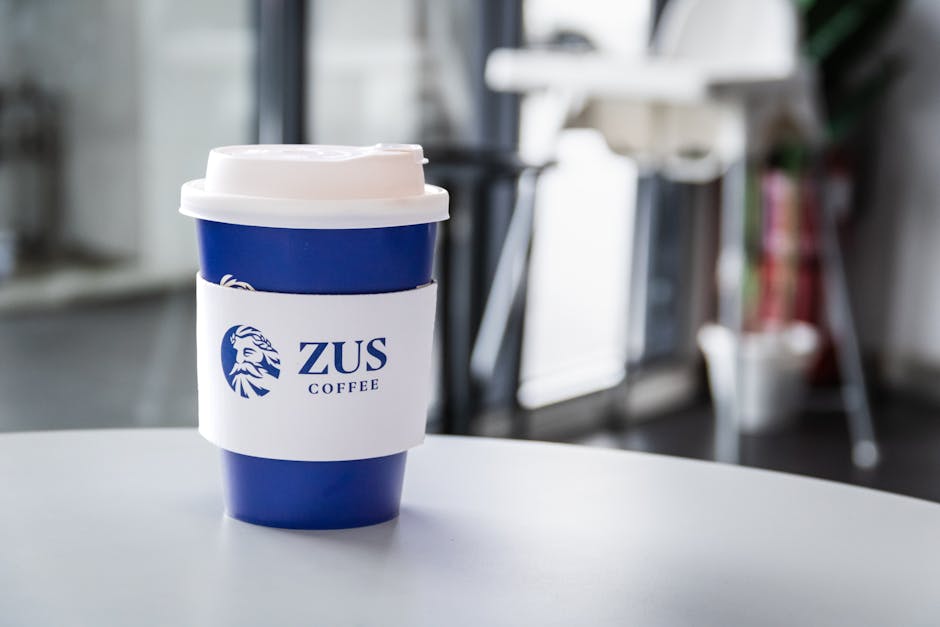
ZUS Coffee's Tech-Led Revolution: Disrupting Southeast Asia's Coffee Landscape
The coffee culture of Southeast Asia, once defined by tradition, global brands, and incremental change, has undergone a seismic shift. As of Q4 2025, ZUS Coffee—a homegrown Malaysian chain—has surged past Starbucks to become the region's largest coffee network. This is not merely a story of store counts or market share; it reflects a profound transformation in how Southeast Asian consumers relate to coffee, community, and technology. The ascent of ZUS Coffee is emblematic of a new era: where local relevance, affordability, and digital prowess converge to rewrite the rules of competition, leaving legacy multinationals reeling and regional champions ascendant.
The Dawn of Disruption: ZUS Coffee's Meteoric Rise
Blitzscaling and Market Penetration: ZUS Coffee’s rapid growth is nothing short of unprecedented. By late 2024, it had reached 743 stores in Malaysia—more than double Starbucks’ local presence. In 2025, the company crossed the 1,000-store threshold across Southeast Asia, establishing footholds in the Philippines, Thailand, and Indonesia (Growth HQ). This strategy—often described as “blitzscaling”—prioritizes speed, visibility, and habituation over conventional store-by-store economics. By opening 107 new outlets in Malaysia and launching approximately 80 in the Philippines, ZUS leverages network effects and consumer familiarity, ensuring that its blue branding becomes as ubiquitous as the coffee itself.
Outpacing Multinationals: Historically, Starbucks was the juggernaut of Southeast Asian coffee, relying on global equity, sophisticated supply chains, and standardized branding. Yet ZUS’s locally attuned approach has upended this paradigm. The chain’s explosive expansion is not just about numbers—it is about anchoring coffee culture in regional identity and day-to-day accessibility.
Winning Hearts with Price Accessibility
Undercutting the Premium Model: ZUS positions itself as the accessible alternative, underpricing Starbucks by 10-20% through streamlined operations and a flexible mix of kiosk and full-store formats (The Star). This cost advantage is particularly potent in Southeast Asia, where urban consumers remain price-sensitive despite rising incomes. By early 2024, ZUS achieved a staggering 21% market share in Malaysia, earning RM204 million in revenue and RM10.2 million in net profit over just 10 months—testament to the power of value-driven positioning.
Democratizing Coffee: The brand’s ethos resonates with a broad demographic, blurring the lines between convenience store coffee and premium chain exclusivity. ZUS’s pricing and accessibility are not ancillary; they are foundational, fueling loyalty and repeat business among students, young professionals, and families.
The Digital Engine: Technology as ZUS's Competitive Edge
App-First Operations: ZUS’s technological infrastructure is central to its disruption. With nearly 70% of sales driven via mobile apps—facilitating deliveries and pickups—the company has embraced a digitally native model. This approach, accelerated by pandemic-era shifts, ensures frictionless transactions and meets consumers where they are: on their smartphones.
Personalization and Data Flywheels: Unlike most legacy chains, ZUS utilizes granular customer analytics to offer personalized rewards, craft local promotions, and optimize inventory. This personalization creates a flywheel effect—higher retention leads to more data, which in turn enables even sharper targeting and operational efficiency (BFM Podcast).
Community-Level Responsiveness: ZUS’s tech stack is engineered for hyperlocal adaptation. It can rapidly tweak menus, prices, and engagement strategies at the community level—capturing local trends and preferences that multinationals often miss. While Starbucks leverages Deep Brew (its AI-driven analytics system) built on decades of data, its global standardization limits agility and precludes hyperlocal responsiveness.
Hyperlocalization vs. Global Standardization: Divergence in Strategy
Local Resonance and Cultural Authenticity: ZUS embodies the ethos of regional adaptation. Its menu offerings, halal credentials, and local ingredients—such as palm sugar blends—are tailored expressly for Southeast Asian palates. This hyperlocalization has become a strategic moat, differentiating ZUS from the globally standardized Starbucks, which, while synonymous with consistency, often fails to address nuanced regional tastes.
Impact of Sociopolitical Context: Starbucks’ Malaysian business suffered setbacks in 2024-25, losing stores and revenue due to widespread boycotts linked to perceived affiliations with Israel during the Gaza conflict. This exposed the vulnerability of global brands to regional sociopolitical currents, further cementing ZUS’s position as an authentically local chain immune to such headwinds.
Comparative Perspectives: The New Versus the Established
Legacy Value vs. Adaptive Innovation: For decades, Starbucks represented the gold standard of coffee retail: global consistency, premium branding, and a universal coffeehouse experience. However, in Southeast Asia, the Starbucks model has come under scrutiny. Consumers increasingly value local relevance, adaptability, and app-driven convenience over global sameness.
Trust and Quality: Starbucks retains a legacy advantage in trust, quality standards, and brand recognition. In response to ZUS’s incursion, Starbucks is likely to recalibrate—investing in regional partnerships, menu innovation, and deeper localization. Yet, its ability to pivot is constrained by international protocols and brand preservation mandates.
The Rise of Regional Champions: ZUS, meanwhile, embodies a new breed of regional champion: fast-moving, digitally native, and culturally embedded. Its strengths in technology and local adaptation position it not just as a disruptor, but as a potential blueprint for other Asian markets.
"Southeast Asia’s coffee revolution is no longer a story of imported taste and global branding. It is a narrative driven by data, local insight, and the power of regionally-rooted technology—a contest where adaptability, value, and community will determine tomorrow’s market leaders."
The Real-World Implications: Economics, Society, and Beyond
Market Dynamics and Expansion Risks: The Southeast Asian coffee market is expanding at a robust 5-6.2% CAGR, projected to reach RM1 billion by 2029. This growth provides ample runway for both established and emerging players (Growth HQ Analysis). Yet, ZUS’s aggressive expansion comes with risks: market saturation, declining per-store economics, and intensifying competition from local upstarts such as Gigi and Luckin Coffee. At the same time, Starbucks faces the challenge of remaining relevant amidst shifting consumer sentiment.
Social Impact and Employment: ZUS’s expansion has broad social implications. The chain’s growth generates local jobs, stimulates supply chains, and provides entrepreneurial opportunities through franchise models. Its commitment to halal options and regionally favored ingredients has made it a welcoming space for communities that may feel excluded by global brands.
Consumer Behavior and Value Shifts: The rise of ZUS signals a transformation in consumer behavior: an embrace of convenience, personalization, and local authenticity over global uniformity. This is evident not only in sales figures but in the way consumers interact with technology, loyalty programs, and menu offerings.
Forward-Thinking Insights: What Comes Next?
Innovation Beyond Coffee: The battleground is evolving. As alternative beverages and wellness trends gain traction, both ZUS and its rivals must innovate beyond coffee—offering teas, smoothies, and functional drinks tailored to Southeast Asia’s health-conscious consumers.
Technology Arms Race: Expect a deepening technology arms race. ZUS is likely to further integrate machine learning, predictive analytics, and omnichannel loyalty programs. Starbucks, facing pressure, will accelerate digital investments and perhaps relinquish some standardization in favor of regional experimentation.
Regional Identity and Competitive Sustainability: Ultimately, the next phase is not about store count, but the sustainability of competitive advantages. ZUS must guard against overexpansion, maintain operational efficiency, and retain its cultural resonance amid rising competition. Starbucks must internalize the lessons of regional champions, balancing its global brand promise with meaningful local adaptation.
Conclusion: The Strategic Imperative for Southeast Asia's Coffee Market
The disruption unleashed by ZUS Coffee is a clarion call for Southeast Asia’s consumer industries. The chain’s ability to blend technology, hyperlocal insight, and accessible pricing is not merely a template for coffee retail—it signals a paradigm shift for all regional markets dominated by global multinationals.
In the coming years, the winners will be those who fuse digital prowess with local authenticity, who adapt at the speed of culture, and who deliver value without sacrificing connection. ZUS’s story is a case study in regional ascendancy, but the competitive landscape remains dynamic, shaped by economics, innovation, and the unpredictable tides of consumer sentiment.
The strategic importance of this issue transcends coffee. It is about building businesses that are resilient, relevant, and responsive to the communities they serve. As Southeast Asia’s coffee market matures, it will be defined not by imported formulas, but by its own digital, communal, and culturally attuned champions.