
How ZUS Coffees App-First Strategy Is Winning Malaysia, Philippines, Thailand & Indonesias Gen Z: Digital Loyalty, Urban Expansion, And Data-Driven Growth
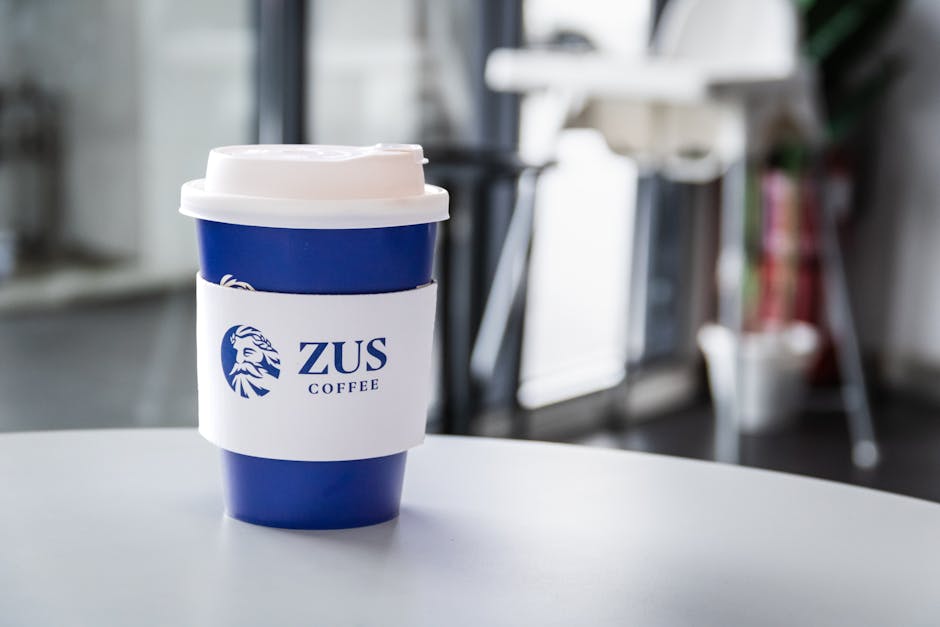
ZUS Coffee’s App-First Revolution: Reimagining Southeast Asia's Café Culture and Digital Loyalty
Southeast Asia’s coffee landscape is undergoing a seismic transformation—and at the epicenter stands ZUS Coffee, a Malaysian-born brand that has rapidly redefined how urban youth interact with cafés. In just a few years, ZUS's proprietary app has become the “operating system” for its explosive growth, deftly combining price, convenience, and game-like rewards to capture the hearts—and wallets—of Gen Z consumers across Malaysia, the Philippines, Thailand, and Indonesia. This exposé unpacks the drivers behind ZUS’s digital loyalty dominance, explores its tactical innovations, and probes what its rise means for the region’s fast-evolving café industry.
The Digital Demand Flywheel: How ZUS Outpaces Legacy Chains
Building Loyalty Through Technology
Traditional cafés long relied on physical presence and word-of-mouth to drive sales. ZUS shattered this paradigm by making its app the digital “front door” to the brand. Instead of treating mobile ordering as a bolt-on, ZUS’s app is designed to reduce ordering friction, capture granular customer preferences, and turbocharge repeat business. By 2025, the app boasted 1.8 million downloads, a stellar 4.85/5 rating, and was responsible for roughly 70% of total sales—figures that far outpace digital engagement rates at most regional and global competitors.
Repeat-Business Uplift—with loyalty rates above 40% among Gen Z and a 20–30% increase in repeat transactions—demonstrates how ZUS’s data-driven ecosystem carries real commercial weight (source).
Expansion Engine
ZUS leverages digital demand signals to inform hyperlocal menu tweaks, store siting, and campaign targeting. With each urban cluster entered, the brand uses app data to fine-tune offerings for local palates—such as region-specific flavors or seasonal drinks. This nuanced approach allows ZUS to out-maneuver larger but less agile chains, particularly in dense Southeast Asian cities, where competition for Gen Z’s attention and spending power is fierce.
Gen Z: The New Power Brokers of Coffee Loyalty
Why Digital Matters
The rise of Gen Z—characterized by digital nativity, price sensitivity, and craving for interactive reward systems—has catalyzed a fundamental shift in coffee retail. ZUS has harnessed these trends by embedding gamification at the core of its app, offering streaks, spin-to-win games, “Buy 1 Free 1” promos, and instant reward redemptions. These mechanics do more than entertain: they create habit loops that drive frequency and deepen retention (source).
Price Leadership
ZUS positions itself as an affordable specialty coffee player, deliberately pricing products 10–20% below rivals. This undercuts premium chains like Starbucks, which remain less nimble in digital promotions and value-based targeting. For Gen Z, the combination of visible digital value and accessible pricing is irresistible: the app surfaces personalized offers and “value equations” in real time, reinforcing repeat purchases and loyalty.
Personalization at Scale
Where legacy chains “mass market” their offerings, ZUS uses app data to personalize menu recommendations, tailor campaigns, and even drive product innovation. For example, drink suggestions adapt based on order histories, and localized campaigns leverage social and UGC (user-generated content) tactics to build community buzz—in effect, turning each app user into a micro-marketer.
SWOT Breakdown: The Double-Edged Sword of Digital Dominance
Major Strengths
- App-first model delivers 70%+ of sales and captures actionable customer data.
- Gen Z resonance is evidenced by repeat uplift (20–30%) and loyalty exceeding 40%.
- Competitive pricing and hyperlocal menu innovation increase relevance.
- Location intelligence drives smart store expansion in urban clusters.
Key Weaknesses
- Heavy dependence on digital engagement; performance tied to app adoption and retention.
- Promo-led traffic can pressure margins if not offset by scale and frequency.
- Complexity in app ecosystems and e-wallet integration across diverse markets.
- Rapid regional expansion could strain service consistency and supply chain.
Opportunities and Threats
Opportunities include deepening segmentation through AI, expanding delivery and pickup, and leveraging local flavors for novelty. Threats revolve around rivals imitating digital rewards, promo wars eroding differentiation, and the risk of app fatigue or shifting consumer preferences.
Comparative Perspectives: Digital-Native Versus Legacy Chains
ZUS Coffee’s Positioning
ZUS stands as a “tech-enabled, value-specialty” chain, outpacing legacy brands in digital ordering, loyalty sophistication, and customer data capture. Compared to Starbucks Malaysia, which still relies heavily on physical store traffic (source), ZUS generates more than twice the share of sales through its app, demonstrating clear market leadership in transactional digitization.
Meanwhile, global giants may have wider brand recognition and larger footprints, but ZUS’s advantage lies in its ability to personalize, iterate quickly, and build Gen Z-centric communities. In Southeast Asia, ZUS dominates the urban Gen Z value-specialty segment—using gamified rewards, localized campaigns, and affordable pricing to drive frequency, engagement, and retention.
Porter’s Five Forces: Navigating Intense Café Competition
Competitive Rivalry is high, with both global and local chains fighting for urban market share.
Threat of New Entrants is moderate—while anyone can open a café, few can match ZUS’s app ecosystem and loyalty depth.
Bargaining Power of Buyers is elevated; Gen Z switches easily, responds to value, and demands continuous engagement.
Bargaining Power of Suppliers is moderate; scale helps ZUS wield negotiating power, but localization matters more.
Threat of Substitutes is high—bubble tea, convenience-store drinks, and other quick beverages vie for the same occasions.
Ultimately, ZUS’s competitive moat is not coffee quality alone; it’s habit formation, digital retention, and data-driven personalization.
Product, Price, Place, and Promotion: ZUS’s Four-Pronged Strategy
Product: App-derived customer data shapes menu development, with region-specific flavors and tweaks ensuring local relevance.
Price: ZUS positions itself as affordable specialty, undercutting rivals by 10–20% and fueling frequency with app promotions.
Place: Digital storefronts anchor the brand, complemented by physical outlets selected via location intelligence. The app is the brand’s “front door,” seamlessly integrating ordering, delivery, and pickup.
Promotion: Gamification reigns. Loyalty tiers, streaks, milestone rewards, QR-driven signups, and social campaigns drive engagement, making each transaction an interactive experience.
Emerging Patterns: Innovations and Real-World Implications
Gamification as a Retention Engine
Where legacy brands treat rewards as static punch cards, ZUS deploys dynamic game mechanics that turn each purchase into a mini-adventure. Users collect milestones, earn collectibles, and compete for streaks—an approach proven to boost frequency and deepen brand attachment.
Customer Data as Strategic Asset
ZUS doesn’t just gather data—it acts on it. Drink orders reveal taste preferences; behavioral patterns govern menu tweaks; location intelligence drives new outlet launches. For business decision makers, the lesson is clear: In urban Southeast Asia, customer data is more valuable than store count.
Hyperlocal Adaptation
Expansion into the Philippines, Thailand, and Indonesia isn’t a one-size-fits-all roll-out. ZUS adapts both menu and campaigns, leveraging regional flavors, community-led events, and collaborations with local creators. This “glocal” playbook sustains novelty and virality, helping ZUS outperform chains wedded to standardized offerings.
Contrasting Perspectives: How ZUS Looks to New Stakeholders
Traditionalists may see ZUS’s reliance on digital promotions as risky, potentially undermining margins and threatening long-run brand equity. They favor slower, deliberate expansion and worry about “promo fatigue.”
Digital Natives view ZUS as a blueprint for the next generation of café retail, where loyalty is earned through interactive, personalized experiences and where data science guides every business decision. For them, the app isn’t an additive—it’s the brand itself.
Investors recognize ZUS's scalable, repeatable model but flag risks around regional execution, operational complexity, and competitive imitation. Their focus is on margin sustainability, cross-market adaptation, and staying ahead of rivals that are increasingly digitalizing.
Gen Z Consumers value transparent pricing, instant rewards, and social campaigns. For them, ZUS’s app is as much a lifestyle platform as a coffee ordering tool.
“Coffee competition in Southeast Asia will not be won on menu innovation alone—it will be won by owning the customer relationship through a seamless, gamified app that turns every transaction into a habit-forming digital experience.”
Forward-Thinking Insights and Strategic Implications
Digital-First Models Are Here to Stay
ZUS proves that digital loyalty isn’t cosmetic—it’s a core business engine. Gamification, mobile ordering, and hyperlocal adaptation are now table stakes in urban café markets.
The Value Equation Will Keep Shifting
Regional rivals and global giants will inevitably imitate ZUS’s tactics. Promo wars and app fatigue could erode differentiation. The challenge is to sustain novelty with deeper personalization, evolving rewards, and new digital experiences that keep users engaged.
Expansion Risks and Opportunities
Rapid regional expansion—into markets with varying digital maturity, payment systems, and consumer behaviors—will test ZUS’s agility and operational discipline. Success will depend on adapting the app model for each context, resolving regulatory hurdles, and building local supply chains.
Customer Intelligence Will Become the Moat
Brands that aggregate, analyze, and act on real-time customer data will outpace those reliant on physical store traffic. For ZUS, this means evolving its app from a loyalty hub into a full-stack customer relationship platform—potentially integrating delivery, lifestyle content, and deeper personalization.
Conclusion: The Future of Southeast Asia’s Coffee Race
ZUS Coffee’s ascent is more than a case study in digital transformation—it’s a signal that the region’s café market is entering a new era. The brand’s app-first, Gen Z-centric strategy has built a digital loyalty flywheel that few competitors can match. As urban youth become the dominant spenders, the battle for café supremacy will shift decisively towards data-driven retention, interactive reward systems, and hyperlocal innovation.
The strategic imperative for both emerging and established players is clear: embrace digital loyalty not as an afterthought, but as the core operating system of growth. Those who fail to adapt risk being left behind in a landscape where the next coffee purchase—and the next loyal customer—is only a tap away. ZUS has proven that in Southeast Asia, owning the digital relationship is the most valuable asset a café chain can possess.
For business leaders, the lesson is bold: The future belongs to brands that blend technology, community, and value into a seamless, habit-forming experience. The coffee revolution has been digitized—and the race is just heating up.