
Live-Tuning Your Skincare Routine For Humid Weather: Essential Ingredient Swaps For Penang, Kuala Lumpur, And Bangkok
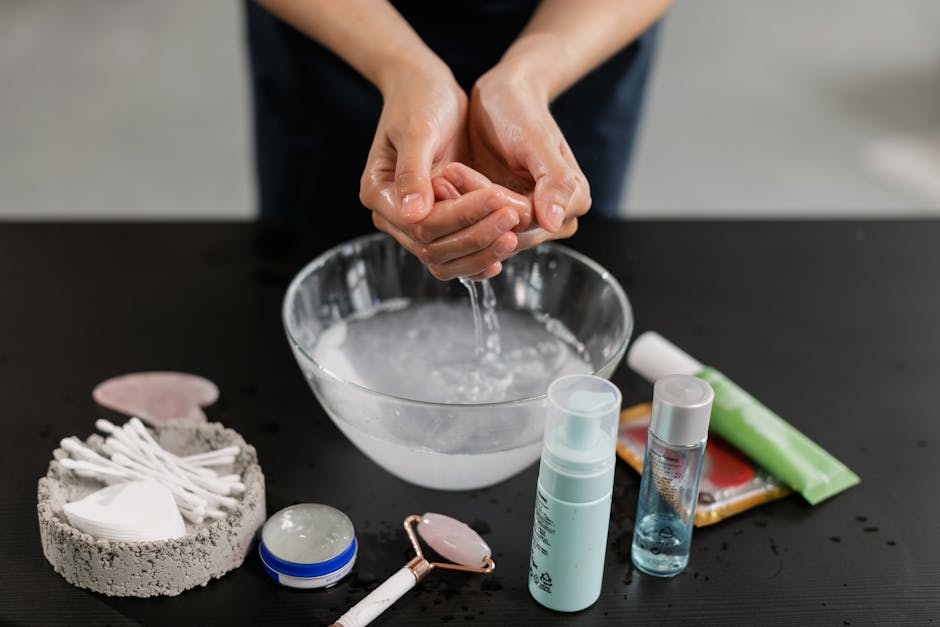
Live-Tuning Skincare for Southeast Asian Humidity: Smart Ingredient Swaps on Shopee and Lazada
For skincare-literate consumers across Penang, Kuala Lumpur, and Bangkok, the paradigm has unmistakably shifted. The challenge is no longer simply “Which product?” but “Does this formulation logic meet the needs of my skin in this humidity, on this day, in this city?” Conflicted signals—oiliness with dehydration, sensitivity with breakouts, premature aging from relentless UV—demand routines that flex and adapt.
Brands that speak to this complexity—those who build systems for humid climate skincare, keep the barrier resilient, and offer adaptable solutions like the best sunscreen for humid weather, lightweight sunblock for Southeast Asia, soothing gels for humidity-driven redness, and serums for oily-dehydrated skin—are now winning real-world loyalty.
Key Trends and Strategies: Live Ingredient Swapping in the Humid Tropics
From Category Shopping to Climate Shopping
Across Shopee and Lazada, the foundational shift is from skin-type or trend-driven purchasing towards hyper-contextual, climate-aware routines. Urban humidity, air-conditioned dehydration, and relentless UV exposure create contradictions—skin that’s oily and flaky, congested yet parched, or sensitive and breakout-prone within the same routine. Instead of chasing “hero” actives, users now search for formulations that function under real humidity and heat stress.
Humidity-Adjusted Ingredient Swaps are Mainstream
Marketplace filters directly reflect this change. The most effective routines swap:
— Heavy creams for gel creams or water-based moisturizers (see V10 Plus guidance)
— Harsh cleansers for sulfate-free, pH-conscious gels
— Physical scrubs for salicylic acid or gentle chemical exfoliants (source: Youtube dermatologist explainer)
— Thick sunscreen for oil-free, lightweight, non-comedogenic sunblocks
— Aggressive “brightening” for niacinamide or vitamin C-based, barrier-supportive combinations (oily-sensitive skin PMC review)
This flexibility is crucial for urban Southeast Asians who need routines that work for morning commutes, office AC, and outdoor transitions. Air-conditioning-driven dehydration is just as impactful as humidity-driven sebum.
Marketplace UX Favors Climate Literacy
Shopee and Lazada’s search and compare mechanics make it easy for users to build a “swap stack”—evaluating serum for oily dehydrated skin alongside repair skin barrier humidity products and lightweight sunblock Southeast Asia listings. Ingredient and texture filters such as “gel moisturizer,” “oil-free sunscreen,” and “non-comedogenic” are now primary drivers of purchases, not afterthoughts.
From Trend-Focused to Barrier-Logical Routines
Products that previously sold on global buzzwords now compete with korean japanese skincare for tropical skin and local innovations, where barrier resilience and texture compliance matter more. Users are increasingly aware that shiny skin can still be dehydrated, and aggressive routines typically fail long-term (Astria analysis).
Tactical Segmentation: Matching Routine to User Needs
- Climate-Aware Skincare Users: Value real-time routine adjustment for humidity, AC, and pollution. Seek soothing gels and hydrating serums that integrate with daily sunscreen for humid weather.
- Sensitive / Compromised Skin: Need barrier-repairing, fragrance-free, and minimal actives; prefer niacinamide or ceramide over aggressive multi-acid products.
- Oily-Dehydrated, Combination, and Reactive Skin Types: Require gel moisturizers, pH-balanced cleansers, and patch-testable serums; focus on reducing congestive flare-ups without barrier stripping.
- Early Anti-Aging (25–40): Want preventative routines—antioxidant serums, daily SPF 50+, and barrier-support under repeated UV exposure—without occlusive layering.
- Urban Southeast Asia: Must solve for pollution, sweat, and air-conditioning. Prioritize routines with anti-inflammatory, oil-control, and hydration-in-heat logic.
State and Recommendations: Actionable Guidance for Skincare Brands
- Shift formulation development towards breathable, layered systems:
Heavy occlusives should be replaced with modular, buildable formulas—think gel cream for day, spot balm for night. - Label products with context-specific cues:
Use phrases like “for humid climate,” “sweat-tolerant,” or “works under AC.” Back it with data from local trials. - Prioritize ingredient transparency and touchable textures:
Market visible ingredient lists: niacinamide, ceramide, hyaluronic acid, squalane (in low doses); highlight Korean/Japanese sensorial technology for tropical skin. - Optimize for instant filter discoverability on Shopee and Lazada:
Use keywords “oil-free,” “non-comedogenic,” “gel cream,” “repair skin barrier humidity,” and “best sunscreen humid weather” in both title and tags. - Educate on swap logic, not just skin-type logic:
Showcase how to layer a soothing gel for redness humidity, or when to swap anti-aging serums for humid climates versus AC-exposed evenings. - Deliver evidence-based, modular routine guides:
Provide city-specific recommendations for Penang, KL, and Bangkok with references to local dermatological realities.
Heavy vs. Adaptive Skincare: A Strategic Comparison Table
| Heavy Occlusive Western Products | Breathable, Layered Systems (Southeast Asia) |
|---|---|
| Thick creams, balms Built for cold, dry climates Focus: blanket occlusion, "one and done" | Gel creams, hydration serums, layered SPF sticks Designed for sticky, variable, humid weather Focus: modular comfort, barrier tuning |
| Trend-Driven Skincare | Formulation Logic |
| “Hero” actives, stackable acids Chase Western viral trends Suited for FOMO rather than routine integration | Ingredient swaps for role, climate, and occasion Barrier-first, evidence-based routines Seamless swap from morning to night |
| Short-Term Cosmetic Fixes | Long-Term Barrier Resilience |
| Surface mattifiers, stripping cleansers Tight, dry, or flaky aftermath Cycle of underperforming results | pH-balanced cleansers, humectant layers, sunscreen reapplication Consistent comfort, fewer flare-ups Healthier aging trajectory |
Segmentation: Challenges and Opportunities by User Type
Climate-Aware Skincare Users
Challenges: Balancing outdoor humidity with indoor AC; layer fatigue; finding sunscreen for humid weather that feels wearable all day.
Opportunities: Strong traction for lightweight sunblock Southeast Asia, soothing gel for redness humidity, and swap-focused routine kits.
Sensitive / Compromised Skin
Challenges: Fragrance overload, multi-acid irritation, “barrier repair” marketing without substantiated claims.
Opportunities: Formulas centered on ceramides, panthenol, azelaic acid, and niacinamide for low-irritation, high-repair performance.
Oily-Dehydrated, Combination, and Reactive Skin Types
Challenges: Perpetually shiny yet uncomfortably tight skin; over-cleansing; confusion between oil control and hydration.
Opportunities: Serum for oily dehydrated skin, pH-conscious cleansers, and education on why oily skin can still be dehydrated.
Early Anti-Aging (25–40)
Challenges: Seeking protection from cumulative UV and pollution damage without using occlusive anti-aging routines.
Opportunities: Antioxidant serums for humid climates (vitamin C, niacinamide), broad-spectrum SPF, and barrier support that doesn’t congest.
Urban Southeast Asia
Challenges: Pollution, heat, sunscreen layering discomfort, unpredictable skin behavior.
Opportunities: Pollution-shielding, hydration-in-heat, daily repair skin barrier humidity products. Modular, sweat-proof layering essential.
Comparison Segment
Across all segments, the winning approach is formulation logic over trend, comfort plus compliance over viral actives, and live-tuning routines by weather and skin-state over rigid AM/PM schedules.
“In Southeast Asia, the best skincare routine is not a formula—it is a flexible system. What matters is how products behave in real time under humidity, AC, and UV, not what’s trending elsewhere. Texture is compliance. Swap logic is skin resilience.”
Conclusion: Strategic Importance and What’s Next
The era of fixed, one-size-fits-all routines is gone for Southeast Asia’s skincare-literate audience. Brands and consumers alike must embrace systems that adapt to the region’s humidity, air-conditioning, and UV realities. Shopee and Lazada’s search-driven ecosystem accelerates this change: winning products are not just “the best,” but “the best for right now, here, in this weather.”
Going forward, expect to see:
— More climate-specific product labels (“works under humidity”; “AC barrier repair”)
— Routine blueprints built around daily swaps, not seasonality
— Evidence-first, context-rich communication, and a demand for real use-case proof.
Brands that fail to address this logic will lose to those who deliver comfort, clarity, and resilience—especially in humid climates where compliance is everything. The next winners will be those who make skincare for humid climate not just a specialty, but the baseline standard.
Expect more collaboration between K-beauty, J-beauty, and Southeast Asian R&D—especially for korean japanese skincare tropical skin innovations. The marketplace will only get more selective as users become even more invested in routine adaptivity and barrier health for long-term, youthful skin.